
Krav Maga Conditioning Exercises for Peak Performance
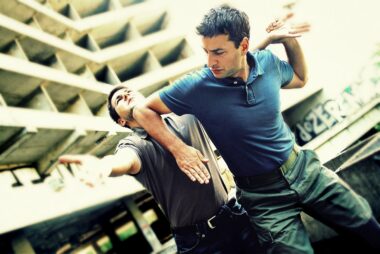
Krav Maga practitioners must ensure they maintain peak performance through effective conditioning exercises. Conditioning is vital in developing strength, endurance, flexibility, and speed, essential to mastering Krav Maga techniques. These exercises help to increase overall fitness and become more competent in self-defense skills. The foundation of conditioning lies in a combination of cardiovascular fitness, strength training, and flexibility work. Each aspect contributes to improved functionality during training and real-life situational defense. Specifically, a well-structured routine can enhance reaction times, power, and agility. This performance-driven approach is essential not just for advanced practitioners but for beginners as well. Incorporating a variety of exercises ensures all muscle groups are effectively engaged. Consider implementing HIIT, strength circuits, and plyometric exercises tailored to your individual fitness level and goals. This multifaceted approach can boost overall performance, allowing practitioners to execute raw techniques and strategies more effectively. Always remember recovery is equally important. Incorporate rest days and suitable nutrition to allow muscle repair and growth, leading to sustained peak performance. In sum, a holistic conditioning plan is crucial for anyone serious about advancing their Krav Maga skills.
Cardiovascular Fitness Importance
Cardiovascular fitness is an essential component of Krav Maga conditioning that enhances endurance levels necessary for sustained physical engagement. High-intensity training not only improves heart health but also bolsters stamina, allowing practitioners to last longer during strenuous scenarios. Effective cardiovascular training incorporates activities such as running, cycling, or swimming to ensure a well-rounded program. Engaging in interval training is particularly beneficial, as it mimics the bursts of energy often required in self-defense situations. Training strategies like fartlek or Tabata can enhance aerobic and anaerobic capacity, crucial for quick movements and responses in intense situations. Regularly integrating cardio exercises into your regimen can enhance calisthenics and defensive maneuvers. The combination of speed and explosive power during these exercises contributes significantly to self-defense training. Furthermore, adhering to a routine can improve mental resilience and discipline. Utilizing chalkboards or apps to track progress can help maintain motivation and focus on specific goals. Achieving and maintaining this level of cardiovascular fitness can also improve overall mood and well-being. Increased confidence derived from enhanced stamina will positively affect training sessions and real-life situations alike. A focused approach to building endurance will undoubtedly yield significant returns in your performance.
Strength training is another vital component of effective Krav Maga conditioning, contributing to overall power and injury prevention. Building specific muscle groups through weight training enhances your capability to perform explosive movements, such as throws, strikes, or grappling techniques. Exercises should focus on compound movements to work multiple muscle groups simultaneously, improving functional strength. Training methods can include free weights, resistance bands, or bodyweight exercises like push-ups and squats. By focusing on developing strength in both upper and lower body muscles, one can improve striking power and stability during defensive situations. Additionally, engaging in core workouts plays a pivotal role in improving balance and stability during movements. Strong core muscles not only facilitate powerful strikes but also aid in recovery from impact during self-defense encounters. Regularly assessing progress with strength goals can help you maintain motivation and adapt as necessary. Recovery is imperative, ensuring that your muscles effectively repair to promote further gains. Incorporate dynamic stretching and mobility work to avoid stiffness that could hinder performance. By committing to a strong strength training routine, practitioners can enjoy enhanced effectiveness in their techniques and strategies during real-world situations.
Flexibility and Mobility Enhancement
Flexibility and mobility training should not be overlooked in your Krav Maga conditioning program, as they contribute significantly to injury prevention and enhanced performance. By regularly incorporating stretching exercises and mobility drills, practitioners can increase their range of motion, which is crucial during high-intensity encounters. Improved flexibility aids in executing techniques with proper form, thereby heightening efficiency and effectiveness. Various types of stretching can be implemented, including static, dynamic, and PNF stretches, all designed to promote flexibility gradually. Incorporating yoga or Pilates can also provide significant benefits, improving overall body awareness and control. Engaging in these practices will not only facilitate deeper stretches but will also contribute to better breathing patterns essential during dynamic movements. Mobility exercises encourage joint health and help maintain structural alignment, enabling you to perform complex techniques safely and effectively. This aspect of conditioning is particularly important for minimizing the risk of injuries associated with sudden movements or falls. As a Krav Maga practitioner, mastering flexibility will enhance your defensive capabilities. It’s imperative to include both flexibility and mobility work in your routine if you want to maximize your self-defense proficiency and competitive edge.
Nutritional strategies should also be addressed as part of a comprehensive conditioning program for Krav Maga. Adequate nutrition is vital in fueling workouts, promoting recovery, and supporting overall performance. A balanced diet rich in vitamins, minerals, lean proteins, fruits, vegetables, and whole grains can significantly influence energy levels. Proper hydration cannot be overlooked and must be prioritized, especially during intense training sessions, to optimize performance and recovery. Consider timing your meals and snacks around workouts; consuming protein and carbohydrates post-exercise supports recovery and muscle repair effectively. Supplements may also be advantageous but consult with a healthcare professional to ensure they align with your unique goals. Additionally, paying attention to micronutrients will positively influence energy metabolism, vital for sustaining endurance. Monitoring your food intake can help identify patterns and adopt changes leading to better performance outcomes. Emphasize the importance of listening to your body and adjusting caloric intake based on your training intensity and effort. Prioritizing nutritional habits will significantly change your Krav Maga journey. By investing in your body’s nutritional needs, you’re making a profound commitment to your overall success.
Mindset and Mental Conditioning
Equally important as physical conditioning is developing a strong mindset and mental toughness in Krav Maga. A resilient mental attitude can significantly impact performance, enabling you to push through discomfort or fatigue during training. Mental conditioning techniques such as visualization and positive affirmations can help reinforce confidence and psychological readiness. Setting clear goals, both long-term and short-term, provides a roadmap for training and maintains motivation. Engaging in meditation or mindfulness practices can minimize stress and improve focus, which is essential for effective Krav Maga execution. Further, understanding your own limits and capabilities plays a crucial role in building confidence. Embrace failures as opportunities for learning and improvement rather than setbacks. Incorporating mental challenges into your training can prepare you for real-life situations and confrontational scenarios where stress may arise. Regularly reflecting on your progress can reinforce resilience and discipline. Techniques to manage anxiety during high-stress encounters can also be beneficial; breathing exercises help stabilize heart rates and direct focus toward the task at hand. Ultimately, striking a balance between mental and physical training will lead to heightened performance, allowing you to excel in your Krav Maga endeavors.
Conclusion: Holistic Approach to Krav Maga
In conclusion, adopting a holistic approach to conditioning for Krav Maga encompasses various essential elements like strength, endurance, flexibility, and mental resilience. Each component plays a pivotal role in developing the necessary skills to handle real-life situations effectively. Integrating cardiovascular fitness, strength training, and flexibility work ensures that practitioners are well-rounded. Furthermore, addressing nutritional needs and mental conditioning will foster improvement in all aspects of training. Consistent practice and monitoring of progress are critical for maximizing growth and adaptability. It’s also vital to remain open to adjustments within your routine, as need may change based on training demands. Consider collaborating with certified instructors or trainers to further personalize your program and ensure you’re getting the best guidance. As you cultivate these various dimensions of conditioning, you’ll witness a remarkable transformation in both your capabilities and confidence. Committing to this multifaceted approach ensures your growth as a Krav Maga practitioner, equipping you to face any challenge encountered. With dedication and perseverance, achieving peak performance in Krav Maga is not only attainable, but it also sets the stage for lifelong improvement.
Ultimately, an effective and well-rounded conditioning program will enhance performance in all areas of Krav Maga, preparing you for success.