
Swimming Workouts for Kids: Fun and Fitness Combined
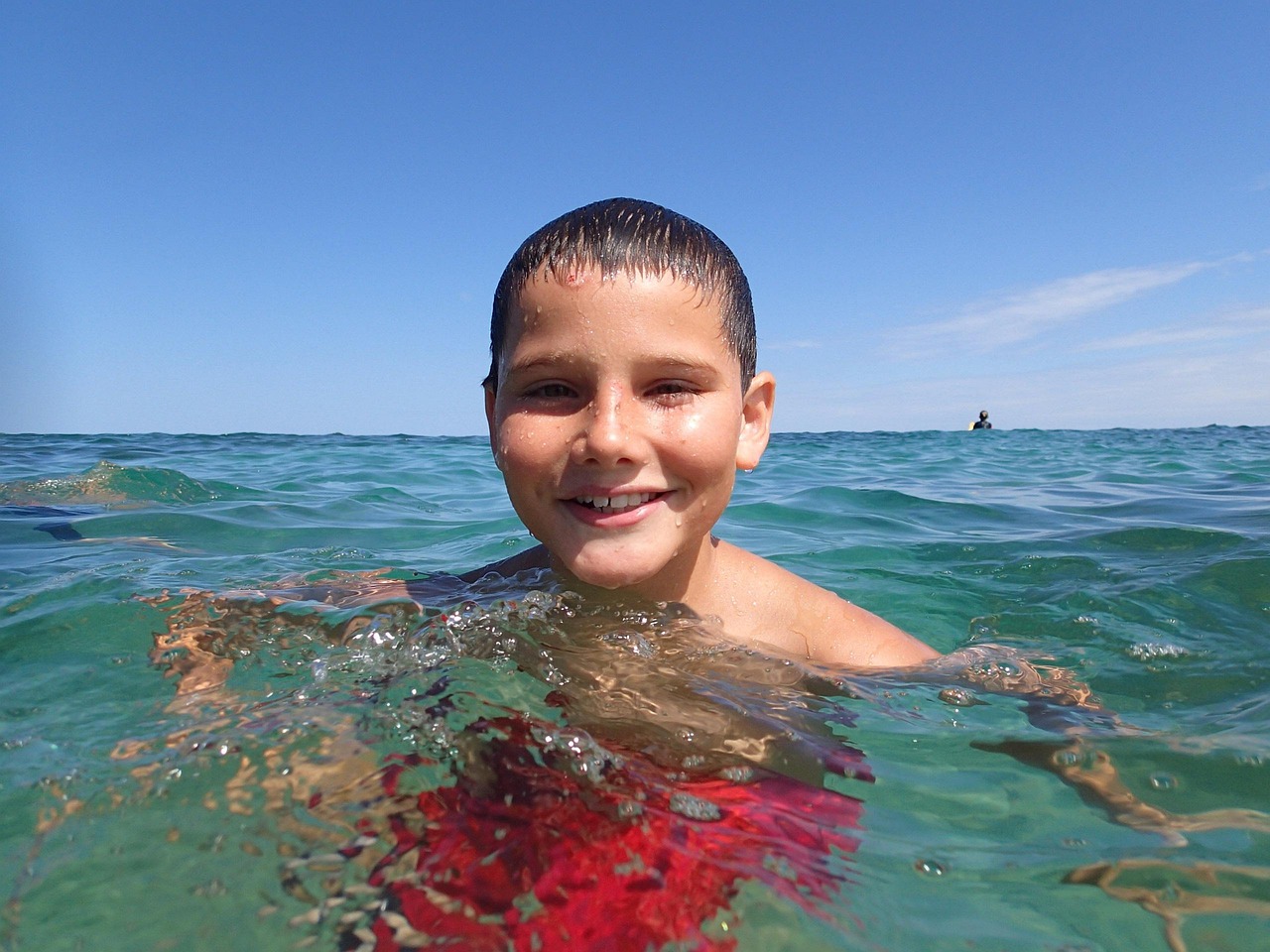
Swimming is an essential life skill, providing many physical and mental benefits for children. Engaging kids in swimming workouts promotes fitness and builds confidence while having fun. Various workouts can keep your little ones excited and motivated. To encourage a regular swimming routine, you can incorporate games and activities that captivate their interest. Guiding them through various swimming workouts allows them to improve skills, stamina, and technique. Start with short distances and gradually increase as they become more comfortable. Here are some playful ideas to make swimming workouts engaging for your children: First, introduce them to relay races. Not only are they competitive, but they also emphasize teamwork. Second, incorporate diving challenges to build their confidence underwater. Third, set a timer and have them see how many laps they can swim in a specific period. Lastly, introduce fun props like kickboards or pull buoys to enhance their technique. Variations keep workouts fresh and enjoyable, ensuring that swimming becomes a lifelong passion for kids while promoting essential physical fitness. Through playful strategies, you’ll encourage a consistent and healthy swimming practice.
Essential Skills and Techniques
To ensure that kids enjoy their swimming workouts, it’s important to focus on essential skills and techniques. A strong foundation in swimming will enable them to swim securely and confidently. Begin with basic strokes including the freestyle, breaststroke, backstroke, and butterfly. Emphasizing proper breath control during these strokes is vital for enhancing their performance in the pool. Explain the importance of body position; a streamlined posture will help them glide through the water more efficiently. Teach kids about kicking techniques, ensuring they understand how to generate power from their legs while maintaining a steady rhythm. Ensuring proper stroke mechanics will improve efficiency significantly and reduce fatigue, especially during longer workouts. It’s helpful to integrate drills dedicated to each stroke, allowing the kids to focus solely on refining their technique. For instance, have them practice with fins during kick sets, emphasizing propulsion. Providing constructive feedback reinforces their learning and keeps them motivated. Celebrate achievement milestones, no matter how small, to encourage persistence and growth. By building these essential skills, children will learn enjoyment and accomplishment from their swimming workouts, contributing to their overall development.
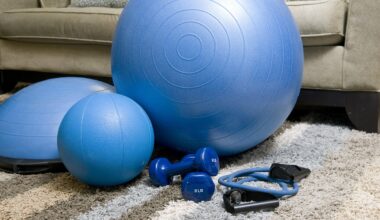
Beyond the basic skills, swimming workouts can incorporate strength exercises tailored for young swimmers. These workouts can amplify their overall fitness without diminishing the fun. A fun approach is to engage kids in dryland workout sessions to build their strength and endurance. Simple bodyweight exercises can be performed anywhere, making them adaptable for any environment, such as squats, push-ups, and lunges. Pairing these exercises with swimming drills will create a balanced workout routine. After completing dryland sessions, get back in the water and encourage swimming laps to reinforce endurance. Fun group challenges can further enhance their experience; for instance, organize circuit training where they alternate between swimming laps and land exercises. Consider incorporating resistance bands to develop strength without compromising their technique. These workouts will not only increase their muscular strength but also improve swim performance. Remember to focus on a warm-up and cool-down to prevent injuries. Keeping sessions varied will also maintain their interest levels, so creative elements such as water games or obstacle courses can be integrated into swimming workouts for a delightful experience. These techniques ensure kids love their time in the water!
The Importance of Safety
Safety is paramount when conducting swimming workouts for children. Instilling safety habits will ensure that kids enjoy the experience without unnecessary risks. Always supervise children during swimming activities to mitigate any potential hazards. Consider creating a dedicated swimming schedule when kids can swim at a local pool with certified lifeguards present. Educate them about pool rules such as no running or horseplay to promote a safe environment. It’s also essential for children to wear appropriate swim gear, such as snug-fitting swim caps and goggles, to enhance visibility and comfort. Teach them about recognizing when they’re feeling tired or overwhelmed; understanding their limits will encourage them to speak up and prioritize their safety. Including education about water safety during workouts will equip them with valuable life skills. Introduce sessions focused on rescue techniques and signaling distress to develop their safety awareness. Engaging kids in discussions about safe water practices will foster a culture of safety and responsibility. Ultimately, prioritizing safety ensures that they enjoy swimming workouts and establish long-lasting healthy habits for the future.
Another important aspect of swimming workouts for kids is making them as social as possible. Encouraging friendships and camaraderie during these sessions creates an enjoyable experience that kids eagerly anticipate. Organize group swimming lessons or workouts to foster teamwork and collaboration among young swimmers. By swimming with peers, kids will naturally motivate each other, enhancing their performance and enjoyment. Infusing elements of competition can also drive engagement. For instance, create fun challenges between kids, such as timed laps or stroke challenges, ensuring everyone feels included. Set up team relays in which children work alongside others, emphasizing the value of support and encouragement. This social interaction creates a positive training atmosphere, making swimming workouts an eagerly awaited activity for the kids. Additionally, integrating family swim days can involve parents in the excitement, further enhancing support systems. Understanding that childhood is not just about swimming but about forming lasting bonds enriches the swimming process. When friends and family actively participate, children will appreciate their experience, associating swimming with fun and unforgettable moments in their life.
Hydration and Nutrition
To support active young swimmers, proper hydration and nutrition are critical elements that go hand in hand with swimming workouts. Encourage kids to drink enough water before, during, and after their swimming activities, as hydration significantly impacts their performance and recovery. Water should be their primary beverage choice, and incorporating electrolyte-rich drinks can also be beneficial after intense workouts. Additionally, nutrition plays a significant role in sustaining energy levels. Focus on providing balanced meals packed with essential nutrients, including carbohydrates, proteins, and healthy fats, to fuel their swimming activities. Offer healthy snacks post-workout, such as fresh fruits, nuts, or yogurt, to replenish lost energy effectively. Discuss the importance of avoiding heavy meals right before swimming, which can lead to discomfort in the pool. Inspire them to develop a relationship with healthy eating habits, enabling them to recognize how food influences their energy and performance in sports. Encourage children to experiment with different nutritious foods, allowing them to find what best suits their preferences. This understanding fosters a positive attitude towards nutrition, equipping them with lifelong habits necessary to excel in swimming and other physical activities.
In addition to hydration and nutrition, another vital aspect for young swimmers is recovery, ensuring they adequately rest and heal after workouts. Proper recovery prevents burnout and injuries, contributing to their overall well-being and performance in swimming workouts. Encourage kids to include rest days in their training schedule, allowing their muscles time to rebuild and strengthen. Introducing recovery techniques, such as gentle stretching and foam rolling, promotes muscle relaxation and alleviates tension after swimming sessions. Discuss the importance of quality sleep; emphasizing how adequate sleep contributes to better focus, mood, and recovery is necessary for young swimmers. Create a comfortable bedtime routine to ensure they value rest and rejuvenation. Additionally, engaging in recovery activities like light yoga, which can gently stretch and relax muscles, can be beneficial. Many children enjoy incorporating small practices of mindfulness and relaxation that improve their mental well-being. By recognizing recovery as an essential part of their swimming regimen, children will learn to appreciate this balanced approach, which promotes progress and enjoyment during their workouts. Ultimately, this holistic focus will nurture their fitness journey for years to come.
Conclusion
To summarize, swimming workouts for kids offer a unique blend of fun and fitness, ensuring children gain essential skills and lifelong habits. Promoting enjoyment through structured workouts encourages participation while fostering a love for swimming. Incorporating games, friendly competitions, and various techniques keeps children engaged and motivated. Remember to prioritize safety, hydration, nutrition, and recovery, all of which contribute to their overall health and performance. Creating social experiences, including friends and family during these activities, encourages children to build connections. Emphasizing holistic development will instill a lifelong passion for swimming, ultimately contributing to their well-being in and out of the water. As kids grow older, these vital experiences in swimming will not only enhance their fitness levels but also equip them with resilience and confidence as they face life’s challenges. Thus, swimming workouts should be viewed as a crucial part of childhood development, instilling values of teamwork, discipline, and perseverance. Inspire kids to reach their potential, nurturing joyful swimming experiences that last a lifetime!