
Monitoring Heart Rate During HIIT for Optimal Cross-Training
High-Intensity Interval Training (HIIT) has become a favored workout method among athletes seeking to maximize performance. By alternating between intense bursts of activity and lower-intensity recovery periods, HIIT can significantly enhance cardiovascular fitness. However, to harness the full benefits of HIIT, monitoring heart rate (HR) is essential. This allows athletes to ensure they are training within their optimal heart rate zones. High heart rates during intense intervals indicate maximum effort, while recovery periods encourage stabilization of heart rates. Accurate HR monitoring provides data that enables athletes to adjust their intensity and rest times effectively, optimizing their training sessions. Technologies such as heart rate monitors can provide these insights in real time. This enables athletes to stay within their target heart rate zones, improving efficiency in workouts. Additionally, understanding heart rates can aid in avoiding overtraining or injury. A well-managed HIIT program that incorporates HR monitoring offers an evidence-based approach to develop athletic performance and endurance over time, allowing individuals to push limits safely and effectively. Thus, implementing heart rate monitoring is crucial for every serious athlete in their pursuit of improved fitness outcomes in HIIT.
The significance of heart rate monitoring in HIIT cannot be overstated. Keeping track of heart rate data enables athletes to identify their individual fitness levels. When athletes engage in HIIT without monitoring their heart rates, they may have difficulty determining if they’re working at full capacity or just cruising along. A heart rate monitor provides tangible metrics, like beats per minute (BPM), allowing for informed decisions on workout intensity. By establishing specific training zones—such as the warm-up, aerobic, anaerobic, and peak zones—athletes can tailor their HIIT sessions for maximum impact. Regularly pushing into the anaerobic zone can challenge the muscles, enhancing strength and endurance. Conversely, spending adequate time in the aerobic zone aids in recovery and stamina. Furthermore, heart rate variability (HRV) can provide insights into recovery status, guiding athletes when to ramp up intensity or dial it back. This can be particularly useful during a busy training cycle where fatigue may impair performance. For athletes looking to develop a consistent and effective HIIT strategy, incorporating HR monitoring technology is integral for achieving desired training outcomes.
Benefits of Heart Rate Monitoring
Integrating heart rate monitoring into HIIT for cross-training has numerous benefits for athletes. First, it allows for accurate tracking of workout intensity. Knowing when to push harder is crucial; training too easy may not yield the desired results, while overtraining can lead to decreased performance and injury risks. Secondly, heart rate data helps athletes gauge their fitness progress over time. Monitoring improvements in resting heart rate and recovery rate not only provides motivational feedback but can also indicate improved cardiovascular fitness. Thirdly, heart rate monitoring fosters personalized training. Each athlete’s body responds differently to exercise; understanding one’s heart rate response is essential for tailoring workouts. Specific HR zones allow for the identification of effective training strategies. Lastly, heart rate metrics help athletes manage their exertion levels throughout various phases of competition or training efforts. Real-time data can prevent athletes from exceeding safe limits, promoting longevity in their athletic careers. For athletes taking their training seriously, the value of heart rate monitoring extends beyond mere numbers; it serves as a pivotal tool for achieving peak performance levels.
Maintaining an awareness of recovery periods following high-intensity bursts is equally vital in HIIT training. Proper recovery is essential to prevent fatigue accumulation and to enable optimal performance in subsequent intervals. Effective utilization of heart rate data aids in determining adequate recovery durations, ensuring athletes can sustain their training for longer periods. Generally, during HIIT, it’s advisable for heart rates to drop to about 60-70% of maximum before commencing the next interval. This ensures cardiovascular efficiency and adequate preparation for the upcoming burst of high intensity. Furthermore, adjusting recovery times based on individual heart rate responses can further enhance training efficacy. For example, if an athlete finds their heart rate is higher than usual during a recovery period, extending the rest time may be necessary to prevent burnout. In this respect, heart rate monitoring serves a dual purpose: it aids in pacing within workout intervals as well as informs optimal recovery strategies. By utilizing heart rate data to shape both work and rest periods, athletes can cultivate more balanced and effective training routines, setting them up for long-term success.
Technology in Heart Rate Monitoring
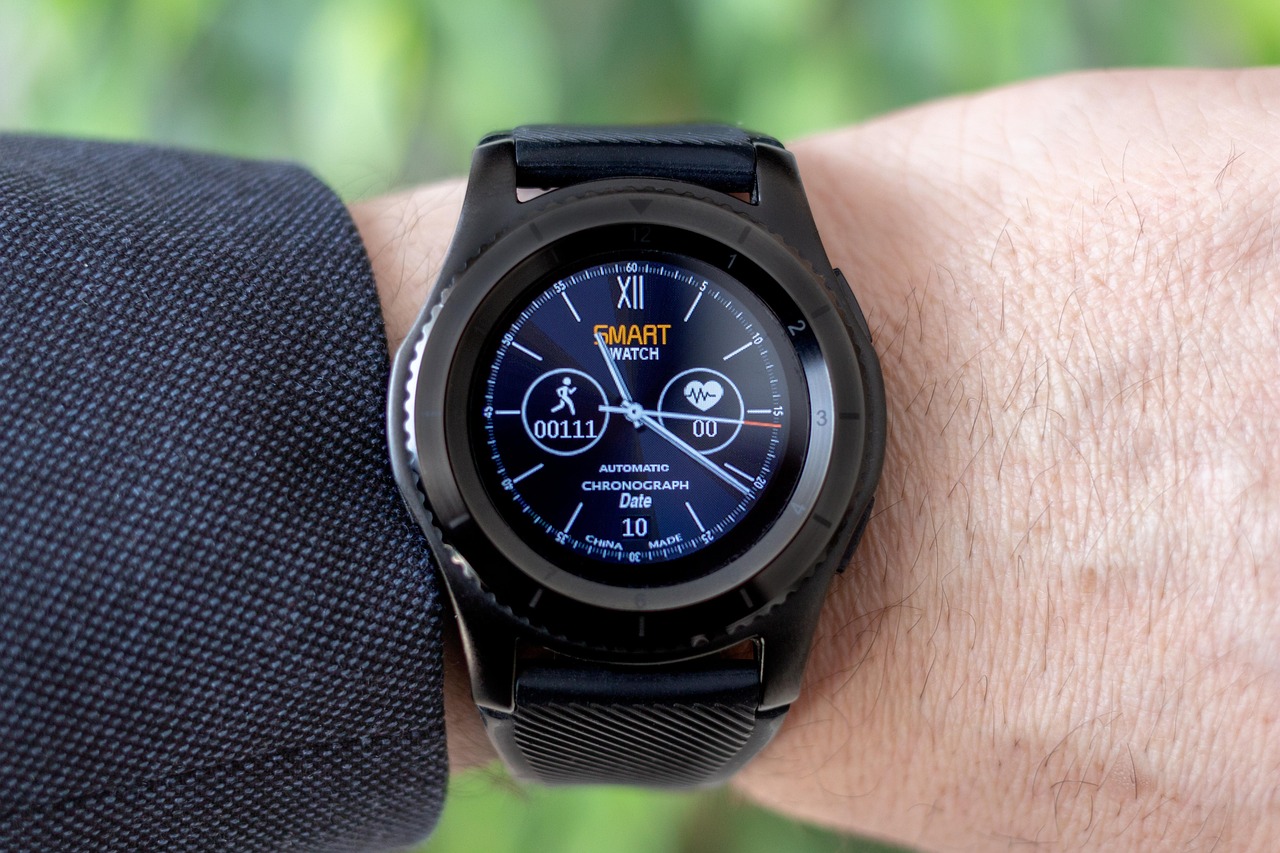
Modern heart rate monitoring technologies have evolved significantly, providing athletes with innovative tools to enhance performance during their HIIT sessions. Wearable devices such as smartwatches, fitness bands, and chest strap monitors have become increasingly popular among athletes and enthusiasts alike. These devices can continuously track heart rates and provide real-time feedback while exercising. For optimal HIIT performance, athletes need equipment that accurately monitors their heart rate without extensive interruptions. Advanced models often come equipped with features allowing tracking of heart rate variability (HRV), sleep patterns, and training loads, giving a comprehensive view of an athlete’s state. Moreover, many apps are available that integrate with wearable devices to analyze heart rate data post-workout. This analysis helps identify patterns and correlations between performance and recovery. Athletes can then make informed decisions regarding future training sessions. Considering the importance of real-time feedback, investing in robust heart rate monitoring technology is recommended. By grounding their HIIT routines in data-driven insights, athletes can optimize their training experience while minimizing risks associated with ineffective practices.
Another aspect to consider in heart rate monitoring during HIIT is psychological implications. Understanding heart rate data can have both motivational and educational effects on athletes. When athletes can visualize their effort through HR readings, they often find motivation to press harder during workouts. Observing tangible progression can create a positive feedback loop; improvement in maximal heart rates or speed in recovery can deeply motivate athletes pursuing their performance goals. Furthermore, analyzing heart rates fosters a greater understanding of personal limits. This knowledge can alleviate anxiety related to performance and enhance mental resilience. By becoming attuned to bodily responses, athletes develop skills to manage physical stress levels effectively. Acknowledging fluctuations in heart rate during workouts can also promote mindfulness, deepening the connection between body and mind. This mental aspect is particularly vital for those competing at high levels where psychological performance can greatly influence outcomes. Therefore, incorporating heart rate awareness into HIIT transcends mere physical conditioning, contributing to holistic athlete development encompassing mental strength and endurance.
Conclusion
In conclusion, monitoring heart rate during HIIT for optimal cross-training is paramount for athletes determined to maximize their performance while minimizing injury risks. The myriad of benefits offered by heart rate monitoring technologies enhances athletes’ understanding of exertion levels, recovery strategies, and overall fitness progress. By utilizing heart rate data, athletes can personalize their training sessions effectively, pushing their limits while ensuring they remain within safe parameters. A structured approach that marries high-intensity training with precise monitoring creates a comprehensive strategy for athletic enhancement. As athletes push towards higher performance levels, embracing heart rate monitoring will provide invaluable insights that can redefine training methodologies. Moreover, its capacity to bolster motivation and mental awareness constitutes a significant advantage in the competitive landscape. Ultimately, athletes who engage in systematic heart rate monitoring are likely to experience accelerations in both fitness levels and mental fortitude. By adopting a targeted approach, involving both physiological and psychological dimensions, athletes can thrive and achieve remarkable results in their HIIT endeavors. In the evolving journey of fitness, heart rate monitoring emerges as an indispensable ally.
To further develop their HIIT regimen, athletes should seek professional guidance. Coaches and trainers can provide assistance in understanding how best to implement heart rate monitoring into training routines successfully. The integration of professional insights with technological tools can produce a well-rounded strategy, positioning athletes for success in cross-training environments. Additionally, doring HIIT with a partner can foster accountability. Training partners can also create a motivating atmosphere and make tracking heart rate data a shared activity, ensuring consistent improvement. Additionally, athletes should consider tailoring warm-up and cool-down routines around heart rate metrics. An effective warm-up gradually elevates the heart rate to prepare for intense workouts. On the other hand, a cool-down session is vital for recovery, allowing heart rates to return to a resting state. Coaches can assist athletes in crafting these pre and post-workout routines. Understanding pacing and energy systems can bolster HIIT effectiveness, further enhancing overall performance outcomes. Moreover, education about proper nutrition and hydration is essential to support high-intensity efforts. In this light, athletes must consider a comprehensive approach that fosters long-lasting results through informed heart rate monitoring in HIIT.