
The Best Foam Rollers to Boost Muscle Recovery
Foam rolling has gained immense popularity among athletes and fitness enthusiasts as an effective recovery technique. It aids muscle recovery by alleviating soreness and increasing flexibility. A quality foam roller can help improve blood circulation, decrease muscle tension, and even enhance performance. The variety of foam rollers in the market can be overwhelming, but understanding their differences can assist in making an informed choice. When selecting a foam roller, consider factors like density, texture, size, and your specific needs. Higher density rollers typically provide deeper tissue massage, while softer options are ideal for beginners or sensitive areas. It’s also essential to examine the surface texture. Some have ridges designed to mimic the touch of a massage therapist, while others offer a smoother surface. This can greatly influence the effectiveness of your foam rolling sessions. Additionally, portable and travel-friendly options can be beneficial for those on the go. Remember to incorporate foam rolling into your post-workout routine to reap maximum benefits and boost overall muscle recovery. Conclusively, selecting the right foam roller is crucial for effective recovery.
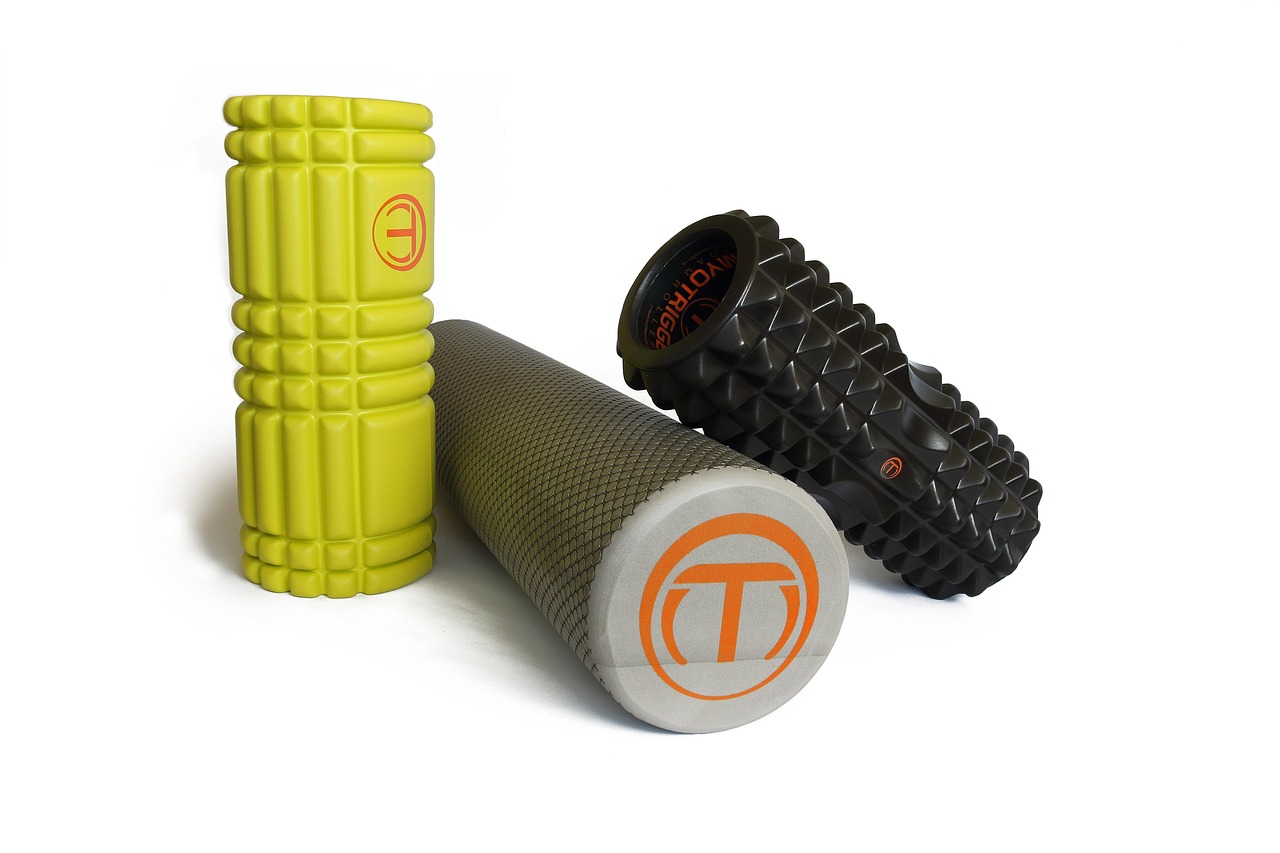
Choosing the right foam roller can significantly enhance your workout recovery experience. For first-time buyers, two main types worth exploring are the standard foam roller and the vibrating foam roller. The standard foam roller is very versatile and widely used. It’s typically made of solid foam and is effective for a variety of muscle groups. The vibrating foam roller, however, adds an innovative twist by offering vibration features, which can further increase blood flow and reduce muscle tension. For athletes in need of targeted relief, a travel-sized foam roller can easily fit into gym bags and packs. It’s essential to consider your goals with each type when making your decision. Whether you’re looking for pain relief, increased flexibility, or improved performance, your foam roller’s design should align with your fitness objectives. Additionally, if you prefer specific textures, try rollers with various surface patterns that mimic a deep tissue massage. This ensures a more customized massage experience based on your comfort level. To conclude, understanding different foam roller types can lead to better recovery outcomes and overall performance.
Evaluating foam rollers based on user reviews can help streamline your buying decision. While many brands boast about their products, real user experiences often provide insight into the effectiveness and durability of a foam roller. Reviews will frequently mention aspects like comfort, texture, and effectiveness. Many users share how each roller handled their unique needs, especially for specific muscle groups. Popular foam roller brands like TriggerPoint, RumbleRoller, and OPTP have left substantial footprints in the market and have amassed numerous fan testimonials. When browsing, pay attention to ratings and comments that address durability, as foam rollers can wear down over time. Some users compare their performance across different brands for better clarity. It’s also beneficial to explore detailed video reviews to visualize how the product performs in real-time. Many consumers appreciate seeing actual usage demonstrations before purchasing. This transparency helps identify which foam roller best suits an individual’s needs. Overall, leveraging user reviews is essential in finding a foam roller that aligns with your recovery goals and personal preferences.
Top Foam Rollers on the Market
Among the top contenders in foam rollers is the TriggerPoint Grid Foam Roller. Its unique design features multiple density zones that provide a variety of massage options. This roller’s sturdy construction ensures durability while allowing for deeper muscle penetration. Many users rave about its effectiveness in easing muscle soreness and enhancing their recovery process. Another popular choice is the RumbleRoller. Its textured surface boasts firm bumps that effectively target knots and tight spots. Users have reported experiencing better results in flexibility and pain relief. The OPTP Pro-Roller is recommended for beginners due to its softer surface, perfect for easing into foam rolling. For something more advanced, consider the Hyperice Vyper series, which integrates vibration technology for an even more effective massage experience. The combination of heat, vibration, and foam rolling has been transformative for numerous athletes. With several choices available on the market, finding the right foam roller requires understanding your unique needs and recovery goals. Be sure to take these popular options into consideration when looking for the best foam roller to enhance your performance.
It’s essential to understand the proper foam rolling techniques to maximize the benefits of this recovery tool. Begin with familiarizing yourself with which muscle groups to target, such as quadriceps, hamstrings, glutes, and calves. When using a foam roller, roll slowly over the muscle area, pausing at tender spots for deeper work. Each session should ideally last around 1-2 minutes per muscle group. This duration enables adequate pressure application for effective result. To incorporate foam rolling seamlessly into your routine, consider performing it post-workout or on rest days. Always listen to your body while rolling; if you encounter excessive pain, modify your technique or switch to a softer roller. Consistency will yield the best results, so aim for regular sessions throughout your week. Documenting your progress may also help in recognizing improvements in flexibility and pain management. Additionally, integrating foam rolling with other recovery methods, such as stretching, can further enhance your results. Ultimately, consistent practice, combined with proper techniques, can greatly enhance muscle recovery and lead to improved athletic performance.
Some common mistakes should be avoided for optimal foam rolling effectiveness. One mistake many beginners make is rolling too quickly over the muscles, which reduces the advantages of the technique. Instead, slow movements allow deeper tissue engagement. Not paying attention to problematic areas is another frequent oversight. Be mindful of areas with knots or tightness. It’s vital to spend extra time on these regions to address tension effectively. Overusing foam rollers is also a frequent mistake since it can lead to bruising and soreness rather than relief. Allow your body time to recover between sessions. Additionally, using the wrong roller density can impact the overall effectiveness. Beginners should start with softer rollers, while advanced users can progress to firmer ones. Remember to maintain proper hydration levels after foam rolling; this can enhance recovery and assist flushing out toxins released during the massage process. Finally, choosing the right rolling duration is essential; shorter periods may not be effective, while rolling for too long can lead to discomfort. Being aware of these mistakes and adjusting your technique will greatly impact your overall recovery.
Final Thoughts on Foam Rolling
In conclusion, foam rollers are invaluable tools for athletes and fitness enthusiasts seeking to enhance muscle recovery. With various options available, it’s crucial to select a roller that meets your specific needs and preferences. The benefits of foam rolling—from improved flexibility to muscle pain relief—are well documented, making it a worthwhile addition to any fitness routine. Incorporating a foam roller into your post-workout regimen can help facilitate faster recovery and better performance. The process requires practice and knowledge of proper techniques to maximize its effectiveness. Thus, investing time in understanding your body and its reactions to foam rolling will ensure that you’re using the tool correctly. Always remember that every person’s body is unique, and individual experiences may vary. Staying consistent and mindful in your rolling practice will help you recognize improvements over time. Also, consider supplementing your foam rolling sessions with other recovery techniques. Doing so can enhance your overall recovery strategies and improve your athletic performance. As you embark on your foam rolling journey, be prepared to adjust and try different techniques for optimal results.
Ultimately, foam rollers can significantly contribute to your overall sports performance and recovery regimen. With the right approach and consistent use, you will likely experience more profound muscle recovery and flexibility. The key is finding the foam roller that aligns with your specific recovery desires. Your commitment to foam rolling will undoubtedly reward you with noticeable improvements and muscle healing. Therefore, consider diversifying your recovery toolkit with a foam roller that meets your expectations. With this guide, you have the resources and knowledge to navigate the foam roller market successfully. Happy rolling!