
Foods to Avoid Pre-Workout to Protect Gut Health
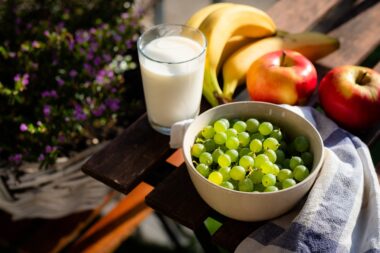
Before engaging in a workout, what you consume is vital to your performance and health. Your gut health is significantly influenced by the foods you choose, especially when it comes to pre-workout nutrition. Some foods can lead to discomfort or digestive issues during intense physical activities. To ensure a successful workout, it’s essential to avoid certain foods. Firstly, high-fat foods can slow down digestion, making you feel sluggish. Foods rich in saturated fats, like fried items or fatty meats, should be minimized. Secondly, spicy foods can lead to heartburn or indigestion, which can be particularly uncomfortable while exercising. It’s best to steer clear of dishes seasoned with heavy spices before hitting the gym. Additionally, dairy products might upset your stomach. Many people experience lactose intolerance, leading to bloating or cramps when consuming milk or cheese. To maintain optimal gut health, consider replacing these items with easily digestible options. Choose banana, oatmeal, or whole grains to fuel your body. Always listen to your body and adjust your diet accordingly to ensure that your pre-workout nourishment supports your fitness regimen.
Furthermore, sugary snacks and drinks can wreak havoc on your gut. Eating candy or sipping on energy drinks can cause sudden spikes and drops in blood sugar levels. This rollercoaster effect may leave you feeling drained halfway through your workout. Instead of sugary options, opt for fruits like apples or pears, which offer natural sugars along with fiber, making them a safer choice before a workout. In addition to sugars, avoid processed foods. These are often high in preservatives and additives, which may irritate the digestive tract. Processed bars or pre-packaged meals can hinder your body’s performance during workouts. Whole, unprocessed foods are always preferable. It’s also wise to stay away from high-fiber foods right before your workout. Foods like beans or lentils can lead to gas and discomfort, proving counterproductive during your exercise. Stick to moderate fiber intake ahead of your workouts or consume these foods well in advance. Finally, ensure your hydration is balanced; avoid excessive caffeine intake, which can lead to dehydration. Focus on water or electrolyte-rich drinks instead to keep your body functioning optimally throughout your physical activity.
The Impact of Caffeine on Gut Health
While caffeine can improve energy levels, excessive consumption can disrupt your gut’s functions. For many, a small cup of coffee before a workout is ideal. However, drinking multiple cups might lead to increased acidity in the stomach, resulting in discomfort or even indigestion. Caffeine may stimulate bowel movements too quickly, leaving you with an urgent need to visit the restroom mid-exercise. This can be daunting during an intense workout. Instead of relying on coffee, consider alternatives such as matcha green tea, which offers energy benefits while being gentler on the stomach. Herbal teas, known for their soothing properties, may also serve as excellent options. Moreover, energy drinks often layered with high sugar and caffeine can cause more harm than good. By consuming these drinks excessively or too close to your workout, you risk feeling jittery and unfocused, impacting your overall performance. Choosing beverages that nourish and energize without overstimulating your digestive system helps maintain gut health. Being mindful of caffeine intake ultimately improves your workout experience.
In addition to what you drink, how you consume your meals plays a critical role in gut health. Eating too close to your workout may lead to gastrointestinal distress. It’s generally recommended to allow your body enough time to digest, which normally takes about two to three hours for heavier meals. If you find yourself eating shortly before exercising, opt for a very light snack or small meal. Foods such as yogurt or a banana can provide necessary energy components without overwhelming your digestion. On the contrary, large meals comprising rich ingredients can hinder your performance. Avoid meals that include heavy sauces, fatty meats, or large portions; these can all contribute to slower digestion and discomfort. Think about maintaining a schedule that aligns your intake with your training times. Track how long it takes for your body to process certain foods to find a rhythm that works best for you. Practice consistency in your diet alongside your training, as this can significantly impact your gut health and overall performance. Balance is essential for achieving your fitness goals.
Maintaining Hydration for Gut Health
Hydration is crucial for performance and gut health, and how you hydrate can affect your workouts. Inadequate water intake can lead to fatigue, cramping, and digestive issues, which can diminish your overall athletic performance. Avoid relying solely on caffeinated or sugary beverages for hydration; they can contribute to dehydration. Instead, prioritize water and consume it consistently throughout the day leading up to your workout. Incorporating hydrating foods such as watermelon or cucumber can further support your body’s hydration levels. While sports drinks can replenish electrolytes, be wary of those containing sugars or artificial sweeteners, as they can upset your stomach. Always read labels and take note of unnecessary additives. Listen to your body; signs of dehydration include fatigue, dark urine, and dry mouth. Adjust your water intake based on your activity levels, especially when engaging in high-intensity workouts. Additionally, monitor the color of your urine; light-colored is ideal. Proper hydration will improve not only gut health but also your athletic endurance, making every workout more enjoyable.
Avoiding specific foods can elevate your pre-workout experience to new heights. Experimenting with various foods ensures you find what feels best for your body. Additionally, understanding how food choices impact your gut health while exercising is essential for sustained performance. Post-workout nutrition also requires attention; refueling your body adequately aids recovery. Ideally, eating a balanced meal consisting of protein and carbohydrates can enhance muscle recovery and replenish energy stores. Some foods that are beneficial to include after workouts are lean meats, eggs, quinoa, and leafy greens. Prioritizing gut health pays dividends not only in workouts but also in daily function. Continue to monitor your body’s reactions to different food choices before workouts, making adjustments as needed. You may even want to keep a food diary. Assessing how various foods impact your performance can assist in fine-tuning your regime. Tailoring your nutrition to support both your workout demands and your gut health will lead you toward optimal physical performance, ensuring you achieve your desired fitness goals while protecting your digestive system.
Conclusion: Prioritizing Your Gut Health
In conclusion, pre-workout nutrition plays a vital role in supporting gut health. Avoiding particular foods significantly enhances both your athletic experience and digestive health. Remember to minimize high-fat foods and steer clear of spicy dishes that may trigger discomfort. Opt for easy-to-digest options while maintaining hydration levels effectively enhances your overall workout performance. Relying on whole foods and natural sources of energy helps maintain balanced sugar levels without burdening your digestive system. Be conscious of caffeine intake, particularly regarding energy drinks and coffee. Identifying your body’s triggers will empower you to make better food choices, which may ultimately lead to enhanced performance. Additionally, practicing mindful eating routine close to workouts can ensure your digestive process runs smoothly. As you craft your pre-workout meals, focus on establishing a consistent routine that best suits your needs while maintaining a balanced nutrient intake. Guard your gut health diligently, and remember that it takes time to find the ideal dietary structure for your body. With these dietary tweaks in mind, the journey toward fitness success will feel more achievable.
Now embark on this journey of nutrition and fitness, ensuring that your choices improve both your energy levels and gut health.