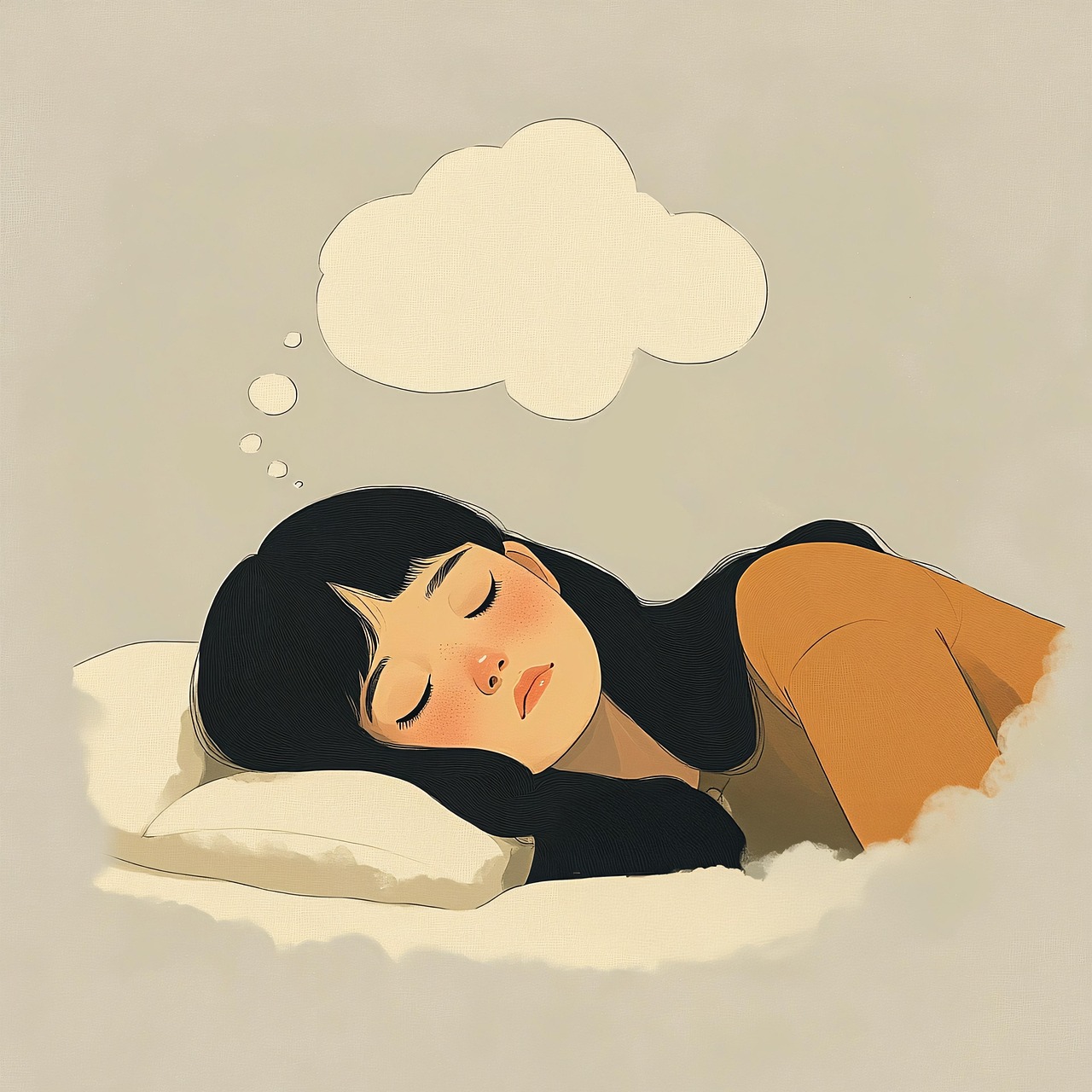

How to Use Visualization to Calm Your Mind Before Sleep
Visualization is an efficient relaxation technique that numerous people employ before going to sleep. It involves creating positive mental images and focusing on calming scenes. The practice aims to ease the mind and promote better sleep quality. Visualization helps reduce anxiety by shifting thoughts towards tranquil landscapes and pleasant memories. You can visualize a beach, a mountain, or a peaceful forest. Begin by closing your eyes and finding a comfortable position in bed. Take slow, deep breaths to help relax your body and mind. As you breathe in, imagine your favorite peaceful scene and visualize every detail. Picture the vibrant colors of the sunset or the gentle sway of trees in the wind. Allow your thoughts to drift away from stressors of the day, replacing them with these calming images. Spending a few minutes in this focused meditation can effectively promote relaxation and help transition into a restful state. Experiment with different scenes to find what works best for you, creating a personalized bedtime routine that sets a peaceful atmosphere.
In addition to visualizing serene locations, consider incorporating soothing sounds and scents to enhance your relaxation experience. Soft music or nature sounds can complement your visualization practice. Sounds like ocean waves, chirping birds, or forest ambiance can immerse you in your imagined scene. Using essential oils such as lavender or chamomile can further promote relaxation. The olfactory stimulation from pleasant scents may signal your brain to relax and prepare for sleep. You might use a diffuser or a scented pillow spray to enjoy these fragrances. Set up your sleep space with soft lighting, comfortable bedding, and minimal distractions. These elements contribute to your overall calming environment, allowing visuals to have a more profound impact. Combine visualization with progressive muscle relaxation to relieve physical tension. Consciously relax each muscle group while visualizing your peaceful scene, reinforcing the connection between mind and body. This dual approach can significantly reduce accumulated stress from daily life. Use your imagination to tailor the visualization experience, making it uniquely yours and generating a more effective calming technique.
Building Your Visualization Practice
Building a strong visualization practice requires consistency and patience. Start with short sessions of just a few minutes, gradually increasing the duration as you become more comfortable. Allow yourself time to adjust to the process and experiment with various settings and techniques that help soothe your mind. Try different types of imagery, such as visualizing yourself achieving your goals, basking in success, or embracing tranquility. Finding the imagery that resonates best with you is crucial for developing this skill. Be open to changes in what you visualize as your interests and priorities evolve. As you practice regularly, the visualization process will become more natural, and over time, you can experience deeper relaxation at bedtime. Consider keeping a visualization journal to document your experiences. Write down what scenes you enjoyed visualizing, as well as any insights or emotions that arose during your practice. Review your notes periodically for inspiration and motivation. This habit can help you stay connected to your journey toward better sleep quality through visualization and relaxation techniques.
It’s essential to establish a connection between your visualization practice and your actual sleep environment. If possible, declutter your bedroom and create a space that is conducive to relaxation. The less clutter present, the more relaxed your mind will feel. A soothing color palette for your room can further support your visualization process. Soft blues and greens are often associated with tranquility. Moreover, the placement of furniture and decor can influence your mood. When everything harmonizes in your sleep space, the transition into your visualization routine will be seamless. Remember to limit stimulating activities before bed and create a calming pre-sleep routine. Avoid screens and other distractions that might cause your mind to race. Instead, engage in calming activities such as reading, journaling, or light stretches while focusing on positive visualizations. Seek out affirmations that resonate with you and use them in conjunction with your imagery. Affirmations serve to reinforce your intentions and feelings of safety and calmness. Use thoughtful visualizations as tools not only for relaxation but also to empower yourself, paving the way for a restful night ahead.
Overcoming Challenges in Visualization
One challenge many face when practicing visualization is maintaining focus. Your mind may easily wander during this practice, often leading to frustration. To overcome this, gently guide your attention back to your visualized scene whenever distractions arise. Acknowledge that it’s normal for thoughts to drift, and don’t judge yourself for it. Instead, approach these moments with kindness, returning your focus to your imagery. If certain images feel overwhelming or overly stimulating, alter them to be more calming. For example, if you find a busy scene stressful, switch to a simpler image that brings you comfort. You can also create mental anchors, such as specific words or phrases that help you return to your desired peaceful state. Often, people may find themselves grappling with negative emotions during visualization. When this happens, take a step back and reassess the images you’re creating. Replace troubling visuals with positive ones that resonate with joy, calm, and happiness. The ability to consciously steer your visualizations toward positive concepts is a powerful tool for enhancing relaxation and ultimately achieving better sleep.
To enhance your visualization skills further, consider supplementing your practice with meditation and mindfulness exercises. These techniques serve to improve mental clarity and focus. Meditation can deepen your experience by teaching you to concentrate on your breath or sensations within your body, paving the way for a more profound visualization journey. As your ability to stay in the present moment improves, your visualization practice will naturally become more fulfilling. Mindful breathing can connect you with your body while performing your visualization. This connection helps stimulate relaxation, allowing you to embrace tranquility. You can also engage in guided visualizations or listen to recordings designed specifically for sleep preparation. These resources offer helpful frameworks for beginners and allow you to explore new imagery and techniques. Find a trusted source for calming audio or apps that provide relaxation exercises tailored to your needs. As you incorporate these additional practices, your visualization skills will develop and flourish. By being consistent and dedicated to combining varied techniques, you’ll significantly enhance your relaxation experience before sleep.
Conclusion: Embracing Visualization for Restful Sleep
In summary, visualization is a powerful technique that can contribute to improved sleep quality and relaxation. By creating positive mental images, you can effectively calm your mind, offering a reprieve from daily stressors. Regular practice can foster comfort and transformation in your bedtime routine. Allow yourself to explore different scenes and colors that resonate with you, enhancing your experience over time. As your visualization skills develop, embrace the iterative process of learning and adjusting your technique to find what works best. The journey toward restful sleep is unique for each person, and visualization can serve as an invaluable tool along the way. By eliminating distractions, organizing your sleep environment, and incorporating harmonious elements, you can create an atmosphere that sets the stage for deep relaxation. With consistency and patience, your visualization process will strengthen, bringing peaceful moments to your nightly routine. Ultimately, by embracing the art of visualization before bed, you will discover a pathway to restful nights and rejuvenated days, allowing you to wake refreshed and ready to embrace life anew.
Don’t forget that personalization is key to maximizing the effectiveness of your visualization practice. Tailor the process to align with your emotions, preferences, and unique experiences. Continually reassess your practice to ensure its relevance to your evolving lifestyle. As you refine your technique, remember that the ultimate goal is achieving a state of calmness that allows for restful sleep. As you engage in visualization, cultivate a sense of gratitude, appreciation, and connection to your surroundings. This positive energy will aid in fostering relaxation and ultimately lead to better sleep over time. Share your visualization journey with like-minded individuals. Engaging in discussions or support groups can lead to new insights and encouragement. Learn from others who have experienced success with visualization and explore different perspectives. Keep pushing the boundaries of your creative imagination while maintaining focus on relaxation. You can also consider journaling your dreams and visualization outcomes to track your progress over time. Such reflections can unveil common themes and highlight effective techniques that promote deeper relaxation, making this practice a transformative tool for self-discovery and improvement.