
Exploring the Link Between Exercise Intensity and Stress Reduction
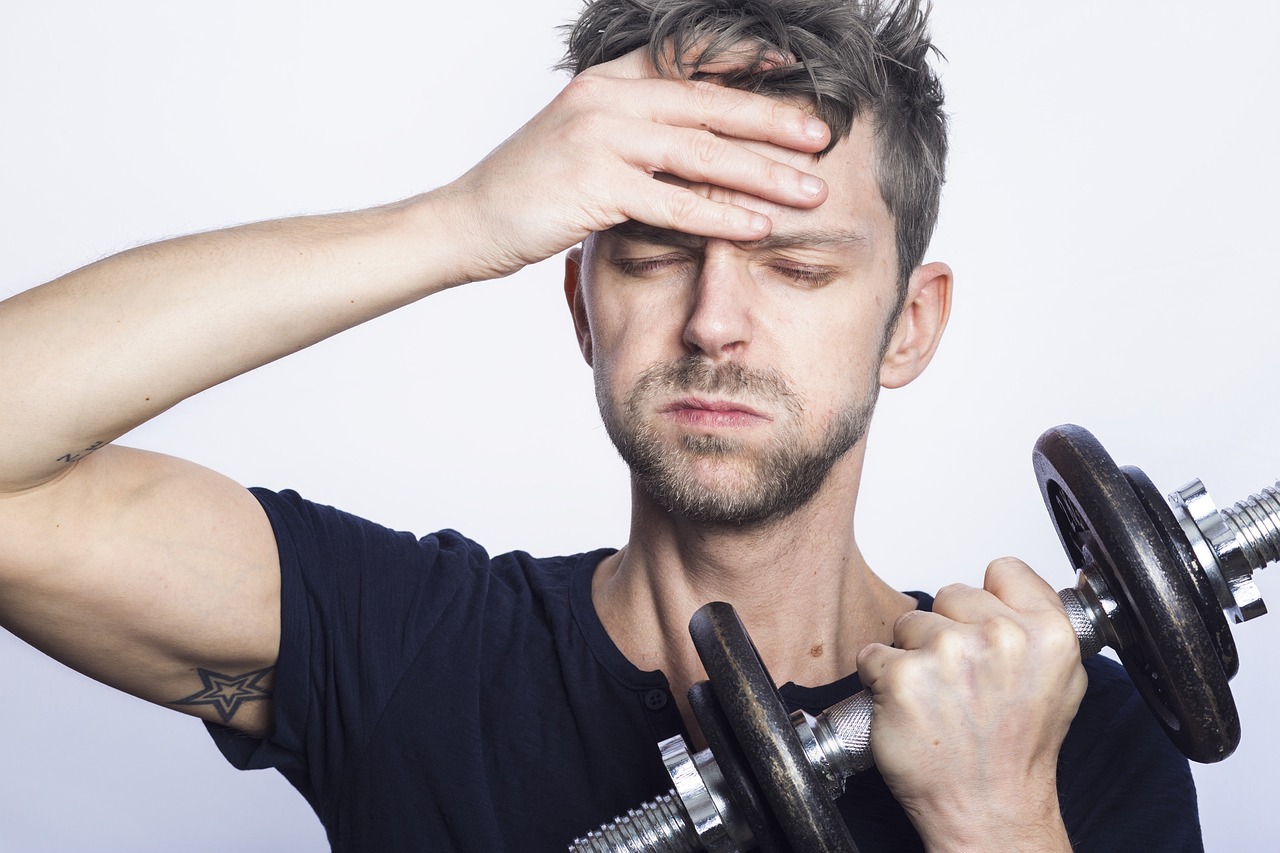
In today’s fast-paced world, stress has become a common concern for many individuals. Finding effective ways to manage stress is essential, and one overlooked method is exercise. Regular physical activity has been shown to have significant benefits for mental health. Researchers have found a direct connection between exercise intensity and its capacity to reduce stress levels. When engaged in physical activity, the body releases endorphins, chemicals that promote feelings of happiness and euphoria. However, the intensity of exercise can influence the effectiveness of stress reduction. Low to moderate-intensity workouts, such as walking or yoga, can encourage relaxation and mindfulness. Conversely, higher intensity activities like running or weightlifting may help in releasing additional stress and provide a stronger sense of accomplishment. Incorporating various intensity levels into a workout routine allows for personalized stress management strategies that cater to individual preferences and schedules. For busy individuals, this flexibility is crucial, as commitments often limit exercise time.
Setting specific goals for physical activity can help enhance the stress-relieving effects of exercise. Knowing what you want to achieve—even within a busy lifestyle—can foster motivation and commitment. Establishing a routine helps establish consistency, reinforcing the habit of exercising during pressured times. It’s important to remember that the right type of exercise varies for each person. Some might prefer high-intensity workouts to channel their stress effectively, while others may find peace in lower-intensity activities. Moreover, the psychological aspect of feeling accomplished in reaching your fitness milestones plays a significant role in managing daily stress. Finding a support system through workout groups or personal trainers may also contribute positively. These social connections enhance accountability and provide encouragement during more challenging days. Notably, the great outdoors offers an additional layer of tranquility, combining the benefits of exercise with nature’s ability to soothe stress. Fresh air and sunlight can uplift moods and enhance overall well-being. Thus, exploring different exercise types is a vital step towards maintaining a balanced life.
The Role of Consistency in Stress Management
Consistency is key when utilizing exercise as a tool for managing stress. Busy lifestyles often lead to interruptions in fitness routines, undermining the potential stress-relief benefits of exercise. Finding ways to incorporate physical activity into daily life can make a notable difference. Creating short, manageable workout routines that can be performed even in the smallest of spaces is essential. Consider high-intensity interval training (HIIT), which offers effective workouts in a condensed timeframe, making it suitable for individuals with limited schedules. Additionally, setting weekly goals can foster a sense of achievement, reinforcing the habit of exercising. Regular workouts enhance not just physical health but mental clarity as well, equipping people to tackle stress more effectively. The mindset shift from viewing exercise as a chore, towards seeing it as an essential component of a balanced life, can truly transform one’s approach to stress management. Social support, whether through family, friends, or fitness communities, serves to motivate consistency, making exercise less of a burden and more of a shared focus.
Incorporating mindfulness into physical activity can further enhance the stress-reducing benefits of exercise. Practices such as yoga and tai chi combine movement with breath awareness, allowing practitioners to center their thoughts and reduce anxiety. Even during high-intensity workouts, focusing on breathing and body movements can create a meditative state. This approach not only aids in maximizing workout benefits but also ensures participants remain engaged and present. It is essential to tune into one’s body, observing how different intensities feel both physically and mentally. A personalized approach can help individuals innovate unique routines that cater to their fitness levels and stress responses. Many apps and online resources can assist in tracking progress and introducing new exercises effectively. Additionally, listening to music or podcasts can make workouts more enjoyable and enhance motivation levels. Individuals should explore various options to find routines that resonate with their lifestyle and preferences. Over time, this tailored method of incorporating mindful practices into workouts can revolutionize how stress is managed through exercise.
Benefits of Group Exercise
Engaging in group exercise can also significantly aid in stress management. The camaraderie built in fitness classes or sports teams creates a network of support and accountability. Friends joining you for workouts increases motivation, turning exercise into a fun and enjoyable experience. This social interaction can effectively counter feelings of isolation often associated with stress. Group exercises such as Zumba, spin classes, or circuit training ensure a lively environment where participants can share experiences and triumphs. Furthermore, engaging with others can provide additional emotional support that individuals may not have otherwise. It also introduces friendly competition, which is often motivating. Many studies have highlighted that group workouts tend to yield better results due to collective energy and encouragement. Additionally, participating in community fitness events fosters a sense of belonging, contributing positively to mental well-being. Budget-friendly community activities or challenges can provide accessible ways to connect with others while remaining mindful of your fitness objectives. Therefore, discovering nearby fitness communities is an excellent strategy for enhancing stress relief through exercise.
Setting realistic expectations is vital when establishing an exercise regimen for stress relief. Individuals should remember that results take time and that ups and downs in motivation are normal. Embracing the notion of progress rather than perfection can change outlooks, allowing participants to enjoy their fitness journey more fully. Incorporating a variety of exercises ensures stimulation and prevents boredom, keeping motivation levels high. Understanding personal limits is key, especially when experiencing stressful periods. Flexibility to adjust workout intensity is essential; it offers the opportunity to scale back on rest days without feeling guilty. Recovery time is just as crucial as active workout days, allowing the body to heal and recharge. Additionally, seeking professional advice from personal trainers or therapists who specialize in exercise can provide effective strategies tailored to your needs. They can help set individual goals and ensure that the chosen fitness path aligns with your lifestyle. Ultimately, patience is vital in this process, and focusing on the small victories can create a motivating path to stress management through exercise.
Conclusion: Finding Your Perfect Balance
In conclusion, the relationship between exercise intensity and stress reduction is profound and complex. Engaging in regular physical activity can serve as an effective strategy for busy individuals striving to enhance their mental well-being. Whether through moderate exercises like walking or engaging in intense workouts, both can significantly reduce stress levels. Finding the right balance of intensity and activity type that resonates personally is crucial, as each individual’s response to stress varies. Experimentation with different forms of workouts, routine adjustments, and mindful practices can lead to customized stress management techniques tailored to personal lifestyles. It is essential to remain open to change and trust that finding sustainable ways to exercise will nurture your ability to manage stress over time better. Setting achievable goals, staying consistent, and cultivating a support system can create a positive environment for a fitness journey. Ultimately, making exercise a priority in daily life will not only lead to better physical health but also contribute significantly to a more relaxed and fulfilling lifestyle. Recognizing and harnessing the power of exercise to combat stress can bring lasting benefits and transform daily experiences.