
Balancing Iron Levels in Postpartum Recovery
The postpartum period can be challenging for new mothers, especially concerning their nutritional needs. One essential mineral that often requires attention is iron. Women can experience significant blood loss during childbirth, potentially leading to iron deficiency, which can impact energy levels and overall health. Ensuring adequate intake of iron after giving birth is crucial for recovery and well-being. Low iron levels can result in fatigue, weakness, and even irritability, making it difficult for new mothers to care for themselves and their babies. To combat this, women should focus on consuming iron-rich foods and allow time for their bodies to recover. Incorporating iron into the diet may involve enjoying red meats, leafy vegetables, legumes, and fortified cereals. Understanding the body’s increased demand for iron during the postpartum period is vital. Consider discussing iron supplementation options with a healthcare provider if dietary adjustments aren’t enough. In this article, we will explore various nutritional strategies that can support iron levels during recovery. A balanced diet and awareness of iron’s importance can make a positive difference for postpartum women striving for effective recovery and overall health.
When it comes to dietary sources of iron, there are generally two types: heme and non-heme iron. Heme iron, which is derived from animal products, is absorbed more efficiently by the body compared to non-heme iron found in plant sources. Foods like beef, chicken, fish, and turkey are excellent options for heme iron. Conversely, non-heme iron can be found in beans, lentils, tofu, nuts, seeds, and fortified cereals. Combining these foods strategically can improve iron absorption. For instance, pairing non-heme iron sources with vitamin C-rich foods can enhance uptake significantly. Foods like citrus fruits, strawberries, and bell peppers can be beneficial. It’s essential for postpartum women to consider both types of iron in their diets to meet their nutritional needs effectively. Additionally, preparation methods can also influence iron absorption. For example, cooking foods in cast iron pots can increase the iron content of meals. Taking these factors into account can help ensure postpartum women are not only meeting their iron requirements but also supporting their overall recovery and health. Prioritizing a diverse nutrient intake promotes a stronger recovery process during postpartum wellness.
Symptoms of Iron Deficiency
Identifying the symptoms of iron deficiency is important for postpartum recovery. Women may experience fatigue, decreased performance, and lack of focus due to inadequate iron levels. Physical symptoms might also manifest as pale skin, brittle nails, or shortness of breath during mild exertion. Recognizing these signs early on can assist in taking proactive measures. A blood test can confirm iron deficiency anemia if symptoms persist or worsen. Without intervention, low iron levels can lead to further complications and longer recovery periods. Consequently, postpartum women should consider monitoring their well-being closely. Iron supplementation, if required, should be discussed with healthcare professionals, as they can offer tailored recommendations based on individual situations. Sometimes, diet alone isn’t enough to combat deficiency, especially if there have been significant blood losses during childbirth. It is essential to establish a routine to check on varying iron levels while closely understanding personal well-being. This proactive mindset can lead to more substantial health outcomes during the early postpartum phase. Adopting a comprehensive approach to nutrition and recovery is crucial for new mothers navigating this transition in life.
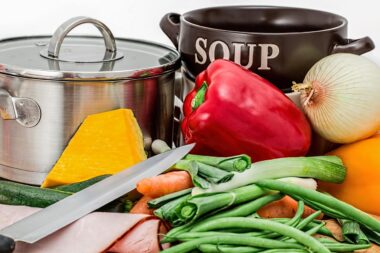
Knowledge of good iron sources and how to incorporate them into meals enhances postpartum nutrition. Preparing meals that are rich in iron can be straightforward with a bit of creativity. One way to diversify meals includes using iron-rich legumes for recipes, such as lentil soups, stews, or curries. This not only satisfies hunger but also boosts iron intake. Remember to include a source of vitamin C in meals, as it aids in the absorption of non-heme iron. For example, adding tomatoes, onions, or bell peppers to lentil dishes can do wonders for flavor and nutrition. Breakfast can also incorporate iron-rich foods through smoothies or fortified cereals topped with fruits. Enhancing the diet with snacks can include nuts or iron-enriched bars. Gradually adjusting meal plans ensures the body adapts without feeling overwhelmed. Creating a support system around meal preparation can help new mothers stay accountable. Family and friends can pitch in with meal prep, leading to a sense of community while focusing on nutrition. A well-thought-out approach to meal planning can ease the burden during postpartum recovery effectively.
Supplements and Monitoring Iron Levels
In addition to dietary modifications, iron supplements can play a crucial role in recovering postpartum health. Considering that individual iron needs can greatly vary, consulting with a healthcare provider before starting any supplementation regime is essential. Providers can perform simple blood tests to determine specific deficiencies and recommend appropriate dosages. It’s important to be mindful of potential side effects associated with iron supplements, such as gastrointestinal discomfort or constipation. Some formulations may be easier on the stomach, so finding the right one can enhance compliance with supplementation. Many women may find it beneficial to begin supplementation immediately following childbirth. However, monitoring iron levels is crucial to avoid excessive intake. Maintaining open communication with healthcare providers can help track progress and adjustments to diet and supplements. This strategy helps minimize any adverse effects while maximizing health benefits. Ultimately, ensuring proper iron levels contributes to a greater overall well-being and effective recovery. Postpartum women should prioritize regular follow-ups to assess their recovery well. Awareness and self-care are critical during this significant transition period in life.
Many postpartum women often overlook the importance of hydration when discussing nutrition. Maintaining appropriate fluid levels aids in the absorption and transportation of nutrients, including iron, throughout the body. Proper hydration can also help manage fatigue levels, another common complaint in the postpartum period. Aim for consistent water intake throughout the day to support metabolic functions and promote wellness. Incorporating beverages that enhance iron absorption can also be beneficial. For example, herbal teas, such as nettle or red clover, are known to provide additional iron support. Avoiding coffee or tea right before meals can minimize potential absorption interference due to tannins. Hydration is a crucial yet simple aspect of postpartum nutrition that can sometimes be overshadowed by dietary concerns. Establishing a water-focused routine complements the iron-rich foods consumed and ensures the body remains well-supported. Incorporating hydration into meal planning can make it easier to remember to drink enough fluids. Having water readily available can also prompt continued intake throughout the day. Overall, prioritizing hydration alongside nutritious eating habits will yield better results for postpartum recovery and health.
Creating a Balanced Plate
A balanced plate is essential for postpartum recovery. It’s beneficial to focus on the balance of macronutrients, including carbohydrates, proteins, and fats. A well-rounded meal can promote overall health and provide energy necessary during this demanding time. Starting with whole grains can offer a foundation for every meal, offering nutrients and fiber. Adding lean proteins such as chicken, turkey, fish, or vegetarian options like tofu can boost iron levels. Healthy fats, like olive oil or avocados, enhance nutrient absorption and promote satiety. Including plenty of colorful vegetables not only enhances meal appeal but also enriches it with additional vitamins and minerals to support recovery. Finding enjoyable combinations can make eating more pleasurable during the postpartum period. Engaging family or friends in meal preparation can turn cooking into a fun activity, encouraging a stronger bond while fostering accountability for healthy eating. With practice, developing a balanced meal plan becomes easier and more enjoyable. As women explore various components of nutrition, they will discover what works best for their bodies while promoting overall wellness during postpartum recovery.
In conclusion, balancing iron levels during postpartum recovery is essential for the health and well-being of new mothers. Understanding iron’s significance within a nutritious diet enables informed decisions regarding meal preparation and supplementation. Addressing deficiencies while focusing on a robust diet enhances energy levels and promotes vitality, allowing mothers to engage fully in their new roles. Recognizing symptoms of iron deficiency is an important component; these symptoms can significantly affect daily life. Incorporating diverse iron-rich foods, maintaining hydration, and crafting balanced meals all make pivotal contributions across the postpartum stage. Consulting with healthcare professionals ensures that women remain vigilant about their iron levels, empowering them to navigate this crucial life transition successfully. Empowering mothers to take charge of their nutrition enhances recovery outcomes while improving their overall mental and physical health. Lastly, community engagement, whether through sharing meals with loved ones or participating in nutrition-focused discussions, can inspire and motivate new mothers. When mothers feel supported and educated in their dietary choices, they increase their chances of a healthier recovery. Adopting a proactive and well-rounded approach to postpartum nutrition is the key to successful healing and thriving during this transformative period.