
The Role of Rest and Recovery in Injury Prevention at the Gym
In today’s fast-paced world, many gym-goers overlook the critical importance of rest and recovery. Instead of solely focusing on lifting heavier weights or increasing cardio sessions, it’s vital to understand that adequate rest periods are necessary for optimal performance. Rest empowers our muscles to heal and grow, meaning that overworking your body can lead to injuries. Consider how muscles work through microscopic tears during exercise, requiring time to repair, ultimately leading to stronger fibers. Without proper recovery, your body can’t efficiently adapt to the stresses incurred during workouts. Moreover, understanding the indicators of fatigue can help prevent overtraining. Signs such as decreased performance, persistent soreness, and a drop in motivation signal the need for attentive recovery protocols. Implementing strategies like scheduled rest days and incorporating lighter, active recovery workouts, such as yoga or stretching, can be incredibly effective for injury prevention. Remember, rest isn’t merely about inactivity; it’s about allowing healing and preparation for more intense efforts in the future. Prioritize recovery in your fitness routine to maximize results and prevent injuries, fostering a sustainable fitness journey that keeps you healthy and resilient.
Beyond physical rest, mental recovery plays a significant role in ensuring you stay injury-free at the gym. Mental fatigue can significantly impact your ability to focus during workouts, heightening the chance of injury due to improper form or overexertion. Engaging in restorative practices, such as mindfulness or meditation, can enhance your mental resilience. Techniques might include deep breathing exercises or scheduled periods of complete relaxation. Such strategies are crucial in managing stress, allowing for clearer focus and better execution in workouts. By taking care of your mental state, you’ll find that workouts become more enjoyable and productive, genuinely enhancing your engagement with your fitness journey. Also worth considering is the impact of sleep on injury prevention. Quality sleep is where substantial recovery occurs, solidifying the benefits reaped from your workouts throughout the day. Strive for seven to nine hours of quality sleep per night. Inadequate sleep can lead to impaired cognitive and physical performance, increasing the risk of injury. Therefore, integrating good sleep hygiene into your routine ensures your body is ready to take on new challenges safely.
Nutrition as a Key Component of Recovery
Nutrition is often overlooked when discussing recovery, yet a well-balanced diet significantly boosts your body’s healing processes. Consuming adequate protein is essential for repairing muscle tissues, while carbohydrates replenish glycogen stores exhausted during workouts. Essential fats play a vital role in reducing inflammation post-exercise. Incorporating a variety of nutrient-dense foods in your diet aids in overall recovery and injury prevention strategies. Foods like fruits, vegetables, whole grains, lean proteins, and healthy fats provide vitamins and minerals that support muscle recovery and joint health. Furthermore, staying well-hydrated is equally crucial for facilitating recovery and optimal performance. Water aids in digestion, nutrient absorption, and temperature regulation. Try to drink water before, during, and after workouts, and monitor your body’s hydration status. A good rule of thumb is to replace fluids lost through sweat with additional hydration. When you neglect proper hydration, your muscles may cramp, leading to injuries. Take hydration seriously to improve overall performance and fortify your body’s defenses against injuries. Your nutritional habits are as essential as your workout routines when it comes to injury prevention.
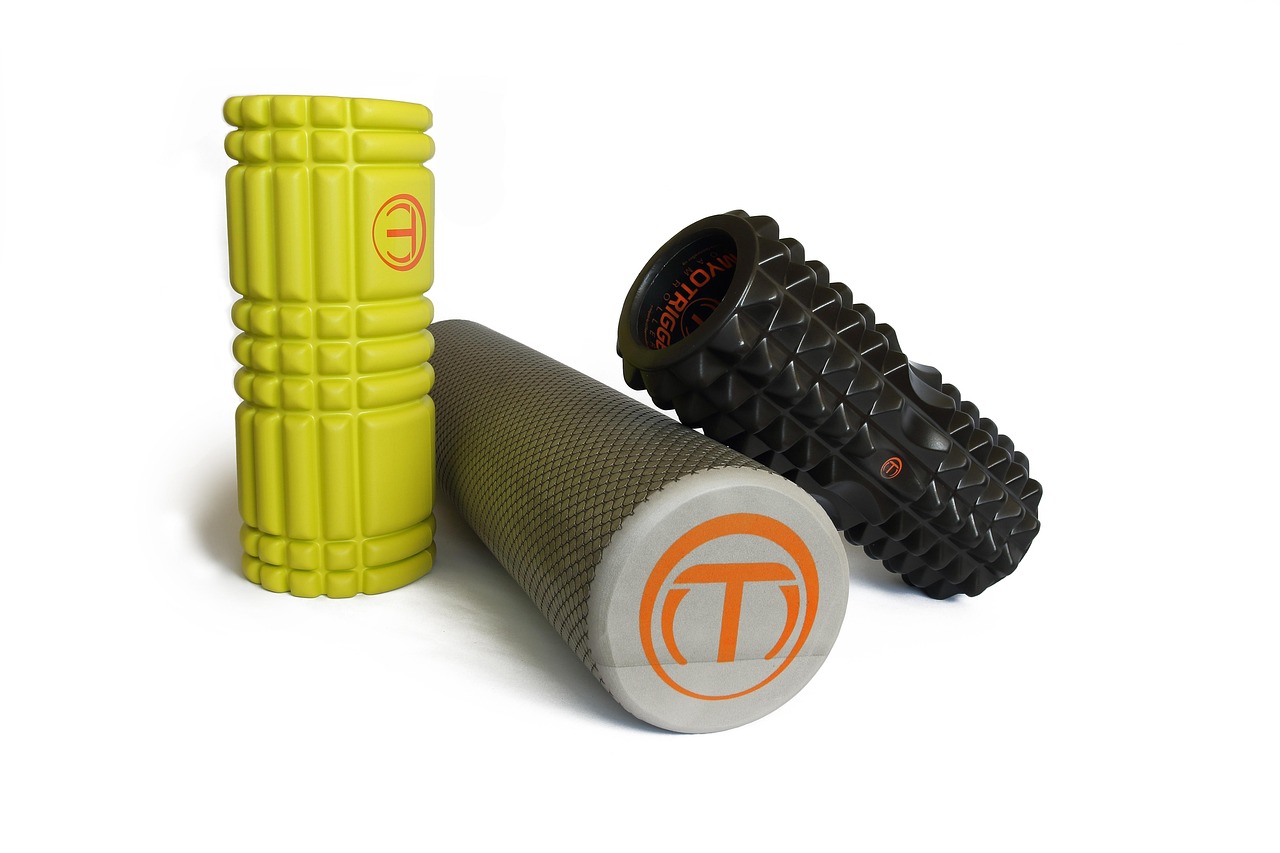
Incorporating rest days in your workout schedule is crucial for long-term success and injury management. A widely accepted approach is following a three-on, one-off workout regime, allowing ample time for your body to recover. During these rest days, undertake light activities like walking or gentle yoga to encourage blood flow while promoting recovery. Listening to your body is key; some might require more recovery time, especially after heavy lifting sessions. Take mental note of how your body feels and adjust rest periods accordingly. Use foam rollers or other recovery tools to enhance this period, helping to alleviate muscular tension and promote flexibility. Contrast bathing, alternating hot and cold baths, can also be beneficial for reducing muscle soreness. Focus on active recovery methods that keep your joints moving without exerting added pressure on fatigued muscles. Additionally, changing up your routine by alternating muscle groups each session can help prevent overworking specific areas. Keep your training diverse to ensure you’re not repeatedly stressing the same muscles. This way, you foster a more balanced fitness journey and minimize injury risks while maximizing gains.
The Importance of Body Awareness
Becoming attuned to your body’s signals is crucial for preventing injuries at the gym. Understanding the distinction between normal discomfort associated with challenging workouts and pain signaling potential injury is vital. Developing body awareness involves tuning into how exercises feel, allowing you to adjust your plans accordingly. If you experience discomfort that feels unusual or sharp, take the time to reassess your technique or switch activities. Consult with a certified trainer if unsure about proper form, as improper execution can lead to strains or sprains. Take the time to stretch before workouts, enhancing flexibility. Dynamic warm-ups prepare your muscles for exertion while static stretches after workouts help in recovery. Frequently assess the ergonomics of your gym equipment; ensuring you’re using machines that fit your body ensures you engage your muscles correctly. Integrate this self-awareness into your routine to maintain safety. Ultimately, knowing how your body reacts during and after workouts fosters a more effective training environment. As you increase this awareness, you’ll not only improve performance but also substantially reduce the risk of injuries.
Listening to your body extends beyond just workouts; it involves monitoring your physical and emotional recovery. Pay attention to how rested you feel when you wake up, as fatigue can indicate that you need additional days to recover fully. Mental readiness is another aspect that plays into performance at the gym. If you’re feeling stressed or overwhelmed in your daily life, it may reflect in your stats when exercising. It’s essential to recognize when to take a break from the gym entirely to allow your body and mind time to recharge. Explore alternative workouts that provide lighter intensity or restorative benefits on days when you feel lifted but not fully energized. Active recovery promotes circulation without the strain of high-intensity workouts. Furthermore, developing a consistent routine around recovery strategies enhances your overall resilience. Find methods like breathing techniques or light walking that work best for you during these periods. As each member learns to respect their limits, the gym becomes an empowering place where injury prevention becomes accessible and integrated into everyone’s journey towards health and fitness.
Final Thoughts on Recovery Strategies
Ultimately, placing emphasis on rest and recovery is integral to a successful, injury-free gym journey. It’s essential to cultivate a culture that values recovery as much as rigorous training methods. Encourage fellow gym-goers to adopt these approaches, promoting awareness and understanding of injury prevention. It is increasingly important to identify the signs of strain, ensuring they become automatic cues for necessary changes in the workout plan. Building partnerships with fitness professionals can also aid injury management, facilitating effective communication to address any concerns. Engage with the community about effective recovery, sharing personal routines and outcomes. This culture can drive improvements across the gym, leading to collective success in health and fitness journeys. Supporting each other in this aspect fosters a healthier environment that prioritizes well-being and resilience. Inspire others by demonstrating your commitment to healthy recovery practices while reaping the benefits personally. As you integrate these strategies into your routine, you’ll find progress more sustainable and continuous, elevating your overall experience in pursuit of fitness without battling the setbacks of injury.