
User Experiences: Navigating Accessible Gyms with Disabilities
Accessible gym facilities are crucial for individuals with disabilities seeking to maintain their physical fitness and overall well-being. These gyms are designed to provide equal opportunities for all, ensuring that comprehensive fitness programs cater to diverse needs. The journey to accessible fitness often reveals various challenges, from structural barriers to inadequate staff training. Many individuals with disabilities face hurdles when attempting to use gym equipment that may not accommodate their specific requirements. Inclusive design significantly impacts their confidence, encouraging regular participation and commitment to fitness routines. A welcoming environment can positively influence their motivation and self-esteem. Moreover, adaptable fitness programs enable trainers to tailor workouts, accommodating personal goals and limitations. This importance is underscored by offering specialized equipment and training in safe, accessible spaces. Many gyms have begun to implement accessible features, yet others still lag behind in providing necessary accommodations. Gym accessibility must extend beyond physical structures; it requires ongoing advocacy and improved awareness among fitness professionals. Creating supportive communities within these facilities plays an integral role in fostering acceptance and understanding, culminating in a more enriching fitness experience for all.
Finding accessible gym facilities often involves substantial effort for individuals with disabilities. Many resort to online searches, consulting social media groups, or community forums for valuable insights. Thorough research allows them to identify gyms that prioritize inclusivity and accessibility. Reviews and testimonials from fellow gym-goers serve as crucial guides to simplify this process. Moreover, individuals should investigate the features of potential gyms, such as the presence of ramps, handrails, and appropriate parking facilities. It’s also essential that equipment is user-friendly and graspable for individuals with mobility limitations. The layout of the gym layout should enable easy navigation, ensuring all areas are accessible. Some gyms are beginning to provide virtual tours to showcase their accessibility features, which can be quite beneficial. These tours help potential members gain confidence in their fitness journey, enabling them to envision a successful workout environment. Furthermore, discovering whether staff receive training on disability awareness can enhance the experience greatly. Access to information about available programs ensures prospective users feel informed and encourages participation. They may even wish to join with other members, sharing experiences that promote inclusivity and camaraderie in their fitness journey.
Importance of Specialized Equipment
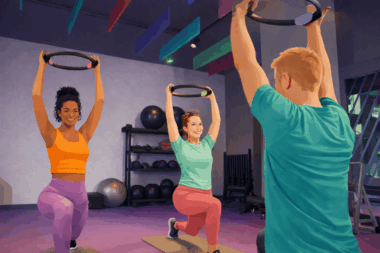
One significant aspect of accessible gyms is the availability of specialized equipment tailored for individuals with varying disabilities. Standard gym machines can often be challenging or impossible to use, making it essential for gyms to offer adaptive alternatives. These specialized machines allow individuals with mobility challenges or specific needs to customize their workouts effectively. For instance, equipment with wider seats and adjusted leg and arm placements can increase usability and comfort during exercise. Additionally, accessibility-maintained weight machines enable users to engage in strength training, which serves as a vital component of a well-rounded fitness routine. The incorporation of resistance bands and hand cycles can further diversify exercise options, thus preventing monotony. Moreover, some gyms now include virtual classes with adaptive fitness components, allowing users to access expert-led sessions from the comfort of their homes. This adaptability opens opportunities for a broader audience to engage in fitness activities at their own pace. Accessibility doesn’t merely focus on equipment; it also extends into gym planning and management. Collaborative efforts between gym owners and trainers foster an inclusive culture, encouraging users to embrace their fitness journeys within supportive environments and engage with like-minded people.
Aside from specialized equipment, the role of trained staff in accessible gyms cannot be overstated. Well-trained staff are vital for ensuring that all members feel comfortable and supported during their fitness journey. This involves ongoing disability awareness training, equipping employees with the skills needed to assist individuals with various impairments effectively. From demonstrating equipment use to providing emotional support during workouts, staff members play a crucial part in shaping users’ experiences at the gym. Furthermore, hosting regular events or workshops that promote fitness and inclusivity can fortify community bonds among members, creating a welcoming atmosphere. Feedback mechanisms should also be established, allowing gym-goers to share suggestions that can inform improvements to accessibility protocols. Engaging members in discussions about their needs fosters collaborative relationships, which are vital for a well-functioning fitness community. Ultimately, the presence of empathetic and knowledgeable staff greatly impacts the overall atmosphere of the gym and encourages ongoing patronage. Accessibility in fitness thrives primarily when individuals feel motivated, equipped, and empowered to pursue their health goals. This collaborative environment encourages progress while also building self-esteem and camaraderie across the gym community.
Celebrating Success Stories
The importance of sharing success stories in accessible gyms cannot be underestimated. Celebrating the achievements of individuals with disabilities serves as powerful motivators for both gym-goers and staff alike. These narratives highlight personal triumphs over challenges faced while navigating the world of fitness. Documenting these journeys encourages new members to take that initial step into the gym, knowing they are not alone on their journey. Acknowledging individual contributions fosters support and camaraderie among members, strengthening the inclusive culture. Success stories may encompass various milestones—ranging from completing a fitness challenge to enhancing one’s physical health through consistent workouts. These experiences resonate, inspiring others to embrace their unique fitness paths without allowing disabilities to hinder their progress. Moreover, gyms can showcase these success stories through newsletters, community boards, and social media platforms, reaching a wider audience. Consistent promotion of achievements encourages participation and builds a sense of belonging within the community. Gym owners and staff play essential roles in creating environments that celebrate these transformative moments, which ultimately enhances the overall accessibility and community of the facility.
Lastly, establishing a constructive feedback loop is vital for promoting an inclusive gym experience. Accessible facilities should actively prioritize obtaining feedback from members regarding gym offerings and accessibility features. Regular surveys can help gym management identify areas needing improvement and directly address members’ concerns. This information helps create a tailored environment where gym-goers feel valued, listened to, and respected. Through open communication channels, members are empowered to voice their suggestions for enhancing inclusivity in fitness spaces. Additionally, communicating updates aligned with member feedback fosters a sense of belonging within the community. Creating focus groups involving individuals with disabilities enables direct conversations on the specific needs of users. These groups can serve as advisory boards, guiding gym owners and trainers in refining their practices and programs. Ultimately, mutual understanding paves the way toward greater innovation in adaptive fitness offerings. By addressing feedback, gym owners demonstrate an unwavering commitment to enhancing accessibility and ensuring inclusivity for all. This collaborative endeavor strengthens gym culture and promotes better health outcomes for individuals with disabilities, culminating in enhanced personal growth.
Conclusion: The Road Ahead
Looking forward, the future of accessible gyms hinges on continued efforts to innovate and advocate for inclusivity within fitness facilities. As awareness surrounding disability rights and the importance of adaptive fitness expands, more gyms will likely prioritize accessibility in their designs and programming. Ongoing training and education for staff ensure they remain informed and responsive to the unique needs of their clientele, ultimately enhancing patrons’ experiences. By embracing feedback-driven approaches, gym management can better serve the diverse populations that frequent their spaces, ensuring everyone feels welcome and supported. Additionally, collaboration with disability organizations can promote advancements in accessible equipment and resources. This partnership acts as a springboard for creating inclusive programs, benefiting various demographics and addressing community-specific needs. Furthermore, technological advancements, including apps and virtual training systems, can further enhance accessibility and engagement in adaptive fitness. Transforming gym spaces and attitudes fosters healthier, more resilient communities. Ultimately, adapting to the needs of individuals with disabilities ensures that fitness remains an enjoyable and achievable pursuit, uniting individuals from all walks of life through shared experiences and healthier lifestyles.
In conclusion, accessible gym facilities are vital for ensuring individuals with disabilities can experience the numerous benefits of fitness. Encouraging inclusive practices fosters self-acceptance and reinforces the notion that everyone deserves access to in health and wellness. Therefore, stakeholders must collaborate for better accessibility solutions within gyms. Through ongoing innovation, education, and community support, we can create inclusive, adaptive fitness environments that empower individuals regardless of their physical abilities. This shift is vital in redefining perceptions surrounding disabilities and promoting healthier, happier lives overall.