
How Brazilian Martial Arts Enhance Self-Defense Skills
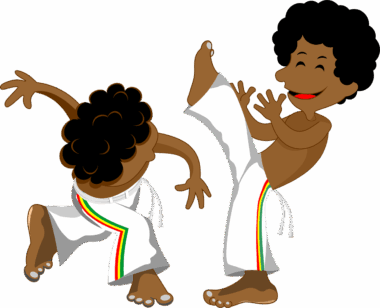
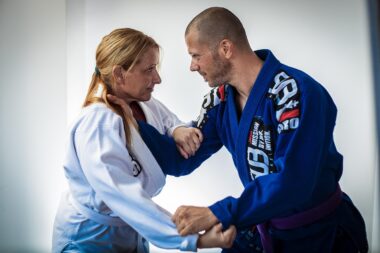
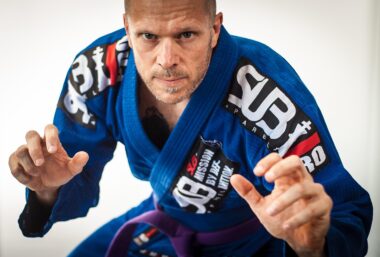
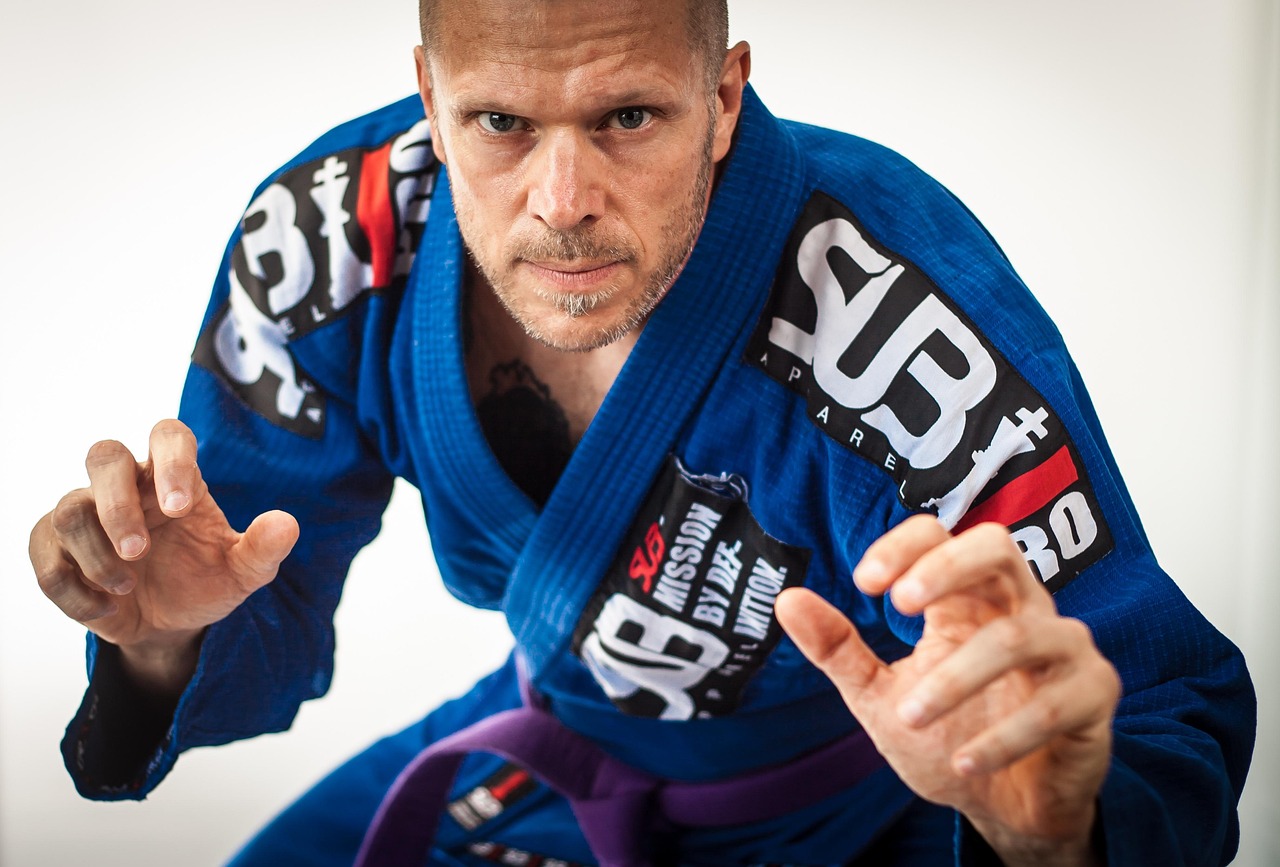
Brazilian martial arts, particularly Brazilian Jiu-Jitsu and Capoeira, have gained immense popularity worldwide due to their effectiveness in self-defense. Self-defense training in these martial arts focuses on real-life applications that are crucial in protecting oneself during confrontations. Brazilian Jiu-Jitsu emphasizes grappling techniques, which enable individuals to defend against larger opponents by using leverage and technique rather than sheer strength. This aspect is particularly beneficial in non-violent disputes where the objective is to neutralize an attacker without causing unnecessary harm. Capoeira, on the other hand, integrates movement and rhythm, making it not only effective for defense but also a unique form of expression and physical fitness. This martial art teaches agility and spatial awareness, which are essential in avoiding potential dangers. Furthermore, the community aspect of Brazilian martial arts creates an environment where practitioners learn together, fostering support and motivation. In essence, Brazilian martial arts not only prepare individuals physically but also mentally, allowing them to handle stressful situations calmly and effectively.
Physical Conditioning and Mental Resilience
Practicing Brazilian martial arts significantly enhances one’s physical conditioning, which plays a vital role in self-defense. Training sessions typically involve rigorous drills that improve strength, flexibility, and cardiovascular fitness. As practitioners engage in techniques, such as joint locks and escape maneuvers, their bodies adapt to these physical demands. This conditioning helps individuals overcome fatigue during critical moments when faced with threats. Moreover, the mental resilience developed through consistent practice is invaluable in high-pressure situations. Practitioners learn to stay composed and think strategically, which is crucial in a self-defense scenario. The combination of physical prowess and mental fortitude creates well-rounded individuals capable of responding effectively to aggression. Students are taught to assess situations critically, avoiding escalation when possible. This strategic thinking minimizes the risk of engaging in potentially dangerous confrontations. Importantly, Brazilian martial arts create an appreciation for self-control and responsibility. Practitioners understand the dangers of using their skills irresponsibly, developing strong ethical principles surrounding their martial arts practice. Training encourages respect for both themselves and others, fostering a sense of discipline that transcends the dojo.
One cannot overlook the diversity within Brazilian martial arts as an essential component of self-defense training. Each style brings its unique techniques, fostering a wide range of skills applicable in varying situations. Brazilian Jiu-Jitsu, for example, equips practitioners with ground-fighting skills essential for defending themselves when taken to the ground. This art focuses on positional control, allowing individuals to maintain a dominant position over an opponent. On the flip side, Capoeira emphasizes agile footwork and evasion, providing tools to dodge attacks and counter with impressive kicks. This blend of techniques enhances a practitioner’s repertoire, preparing them for unpredictable circumstances. The diversity in training methods also promotes adaptability, as practitioners learn to adjust their strategies based on the situation at hand. Self-defense is never one-size-fits-all. Therefore, exposing individuals to multiple styles cultivates a more comprehensive skill set. Moreover, this variety keeps training stimulating, making it less likely for practitioners to lose interest. Keeping their motivation high is essential for long-term commitment to martial arts training, ensuring they are well-prepared to defend themselves in real-life confrontations.
The Role of Community in Learning
Community is a cornerstone of Brazilian martial arts, providing support and encouragement for individuals as they embark on their self-defense journey. Training in a group helps build camaraderie, creating friendships that extend beyond the dojo. The collective effort fosters a learning environment where members can share experiences and techniques, enhancing each other’s skills. Practitioners often spar with partners of different skill levels, allowing them to test their abilities in various scenarios. This practice not only prepares individuals for potential threats but also helps them build confidence. Peers provide constructive feedback, allowing practitioners to identify areas for improvement. Additionally, the sense of community plays a significant role in difficult times, offering emotional support that can be crucial. Knowing others are behind you can provide the motivation to continue pushing through challenging training sessions. Furthermore, Brazilian martial arts promote respect among practitioners, reinforcing the ethical use of their skills. Self-defense is not just about technique; it also encompasses the values of respect, discipline, and empathy instilled in training. Creating a locally engaged martial arts community ensures a safer environment for everyone.
Understanding the legal implications of self-defense is crucial for anyone practicing Brazilian martial arts. Different countries have various laws governing self-defense, highlighting the need for practitioners to be well-versed in these regulations. Brazilian martial arts instructors often emphasize the importance of understanding when it is appropriate to use self-defense techniques. This knowledge helps individuals make informed decisions in stressful situations, ensuring they act within legal boundaries. Safety should always be the priority; therefore, practitioners are taught to avoid conflict whenever possible. The emphasis on de-escalation reflects the ethical standards expected of martial artists. By understanding the often-complex legal frameworks, individuals can navigate confrontational situations safely and responsibly. Educating students about these laws fosters a sense of accountability. Such awareness cultivates responsible practitioners who use their skills wisely. Moreover, instructors may invite legal professionals to give workshops, bridging the gap between martial arts and the law. This partnership ensures students receive the most accurate information possible. Ultimately, knowledge of self-defense laws empowers practitioners, giving them the confidence to react assertively while adhering to legal expectations.
Real-Life Application of Techniques
Brazilian martial arts training incorporates real-life scenarios, ensuring that practitioners can effectively apply their skills in various situations. For example, drills often simulate common street encounters, allowing individuals to practice techniques in controlled environments. This realistic approach helps to desensitize students to pressure, promoting calmness and focus during actual confrontations. Practitioners learn how to assess threats and react accordingly, fostering critical thinking skills under duress. Tailoring techniques for practical application emphasizes the effectiveness of Brazilian martial arts in real-world settings. The instructors often share personal experiences, bringing authenticity to the training. By highlighting successful self-defense encounters, they inspire students to trust in their abilities. Practicing techniques in a variety of situations prepares practitioners for unpredictability in confrontational situations. Furthermore, this training includes defending against armed attacks, helping build confidence and self-assurance. Brazilian martial arts also integrate situational awareness, teaching students to recognize potential dangers before they escalate. This proactive approach ensures students remain vigilant, reducing the likelihood of becoming targets for violence. Cultivating awareness and strategic thinking in training creates adaptable practitioners.
A key takeaway from Brazilian martial arts training is the profound sense of empowerment it fosters in individuals. Practitioners often undergo transformations, both physically and mentally, through their dedication to training. As they acquire new skills, their self-confidence grows, influencing various aspects of their lives outside the dojo. This newfound empowerment encourages individuals to engage positively in their communities. They become advocates for safety and anti-bullying, sharing their knowledge and experience with others. Empowerment leads to a ripple effect, affecting not only the practitioners but also their peers, family members, and friends. They understand the importance of self-defense and resilience, influencing others to consider their safety. Additionally, empowered individuals often take on roles such as instructors, passing on their skills and values to the next generation. The cycle of empowerment continues as they nurture new practitioners, creating a commitment to self-defense and martial arts values. This legacy influences how communities perceive self-defense, normalizing discussions around safety and respect. In this manner, Brazilian martial arts contribute to building safer environments within communities, instilling values that extend far beyond the martial arts dojo.
This comprehensive training in Brazilian martial arts ultimately prepares individuals for any self-defense situation they may encounter throughout their lives. By developing not only physical abilities but also mental resilience, practitioners become well-rounded individuals ready to face challenges confidently. With a focus on community, ethics, and legal awareness, Brazilian martial arts provide a holistic approach to self-defense. This foundation ensures that individuals possess the skills necessary to safeguard themselves while promoting peace and respect among others. The unique blend of techniques from distinct martial arts enhances their adaptability, arming them with a myriad of strategies to respond to threats appropriately. Seeking continuous improvement and education, practitioners engage themselves in ongoing training, ensuring that they stay prepared in any situation. Through consistent practice, they reinforce their respect for martial arts and its principles, creating a lasting impact in their lives. The lessons learned within the dojo can resonate throughout daily interactions, helping individuals navigate personal and professional challenges effectively. Thus, Brazilian martial arts exemplify the transformative power of martial arts training in promoting self-defense and personal growth.