
Adaptive Fitness: Using Performance Metrics to Stay Motivated
Adaptive fitness represents a transformative approach designed to promote physical activity and well-being among individuals with disabilities. Tracking progress is crucial in this context, as it enables participants to visualize their improvements over time. Many people often find motivation linked to measurable outcomes and performance metrics. Using various tools like apps and fitness trackers can help users understand their progress quantitatively. For instance, recording metrics such as endurance, strength, flexibility, and coordination can lead to greater insights into personal development. Additionally, setting specific, achievable goals can enhance motivation and commitment. This personalized approach allows individuals to gain confidence in their abilities, as they can appreciate the tangible representation of their hard work. Social support also plays a role; sharing achievements with others can foster a sense of community and accountability. Engaging in adaptive fitness can ultimately lead to a healthier lifestyle for everyone. By adopting various performance metrics, you are putting yourself in a better position to encourage personal growth and motivation in the context of your unique challenges and capabilities, turning fitness into an empowering experience for individuals with disabilities.
The Importance of Setting Goals
Setting achievable goals is essential in any fitness journey, particularly in adaptive fitness. Goals serve as a roadmap, guiding individuals toward their desired outcomes. When paired with performance metrics, these goals become even more valuable. For example, a participant may aim to improve their push-up count over six weeks. By consistently tracking their performance and making or adjusting goals based on progress, individuals will see a clear trajectory of improvement. Accomplishing these smaller targets can create a sense of achievement, which translates into an increased desire to continue participating. Setting smart, measurable, and realistic goals also promotes ongoing engagement with adaptive fitness programs. Techniques such as SMART (Specific, Measurable, Achievable, Relevant, Time-bound) goal-setting can be beneficial. In addition, individuals should adapt their goals as necessary to remain aligned with their evolving capabilities and ambitions. In this way, focusing on smaller victories can create opportunities for self-reflection and adjustment. This process ensures continuous improvement, ultimately leading to more substantial and rewarding fitness outcomes for those with disabilities on their journey towards health and well-being.
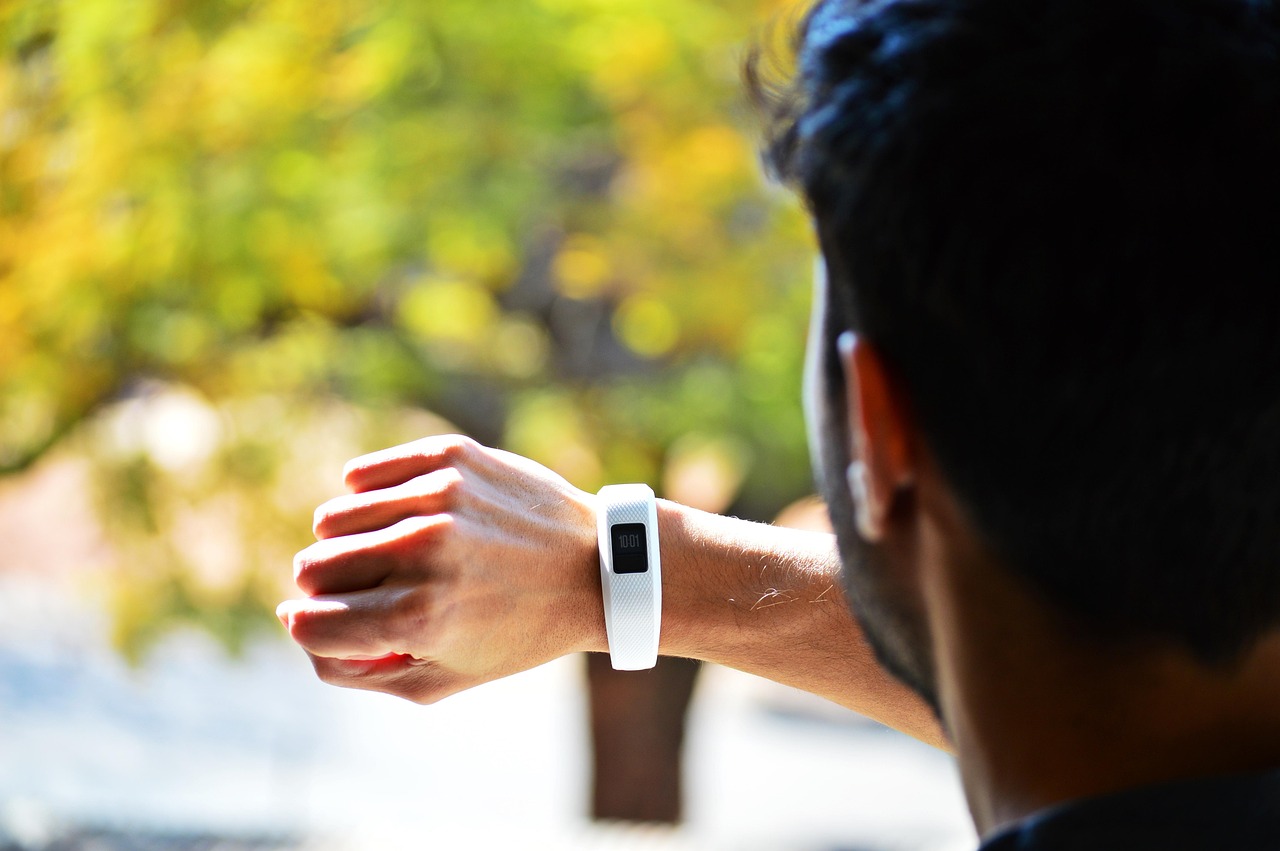
Performance metrics can vary greatly, affecting how individuals track their progress in adaptive fitness. Metrics can include the duration of exercise sessions, the number of repetitions achieved, or even the distance traveled. Each metric offers a unique perspective on progress and can help identify strengths and weaknesses. When participants consistently record their achievements, they can analyze patterns and make informed decisions regarding their training regimens. This data-driven approach can significantly enhance the effectiveness of adaptive fitness programs. By using performance metrics, individuals can also celebrate their growth journey, which often leads to increased motivation. Achievements, no matter how large or small, should be acknowledged to reinforce commitment. Furthermore, the use of technology, such as fitness apps and wearable devices, can simplify tracking progress. Many of these devices provide real-time feedback and analysis, enabling more informed workouts. Participants can also share their results within a community, cultivating a supportive environment. Engaging with others who understand and appreciate the challenges faced can strengthen social connections and drive motivation. Overall, utilizing performance metrics not only supports progress tracking but also fosters a sense of accomplishment.
To maximize motivation in adaptive fitness, it is vital to engage in regular reassessment of goals and metrics. This approach keeps participants accountable and ensures continued focus on personal growth. Reassessing performance weekly or bi-weekly allows individuals to observe their progress and recognize shifts in their abilities. This can be empowering, promoting an understanding that incremental changes lead to significant outcomes over time. Participants should be encouraged to discuss their experiences with instructors and peers, as open conversations foster a learning atmosphere. Sharing challenges and successes can result in valuable advice and suggestions from others who have navigated similar paths. Additionally, celebrating milestones, whether large or small, creates an environment filled with positivity. Participants should recognize their journey, understanding how personal perseverance contributes to improvements. By regularly reflecting on their progress, participants can adapt their approaches and set new performance metrics. This transformative process not only enhances motivation but also instills a greater sense of achievement within individuals. Ultimately, regular reassessments empower participants to take control of their adaptive fitness journeys, effectively increasing both physical and mental resilience.
Community Support and its Role
A supportive community plays an essential role in the success of adaptive fitness programs. Surrounding oneself with like-minded individuals can offer encouragement and motivation through shared experiences. Engaging in group fitness activities provides opportunities to celebrate each other’s progress, fostering camaraderie. Online forums and social media groups also enable participants to connect and share their journeys, regardless of geographical distance. The exchange of motivating stories can uplift individuals and serve as a reminder of their own potential. Furthermore, having a built-in support system promotes accountability, as friends and family can help keep participants focused on their goals. Those who train together often experience more enjoyable workout sessions, as mutual encouragement leads to increased commitment. Additionally, community involvement can help create a sense of belonging, allowing individuals to embrace their unique fitness challenges without judgment. Many adaptive fitness programs also offer workshops and social events that encourage teamwork. This camaraderie fosters not only social connections but also happiness, further fueling motivation. The empowerment gained through community support significantly improves the overall experience in adaptive fitness, transforming challenges into opportunities for growth.
Incorporating mindfulness and mental strategies into adaptive fitness practice can enhance overall motivation and progress tracking. Mindfulness encourages individuals to stay present, which helps them appreciate their hard work and efforts. Mental strategies, such as visualization and positive affirmations, can strengthen one’s determination in achieving fitness goals. By cultivating an awareness of not just physical, but also mental processes, individuals can build a more profound connection with their fitness journey. This holistic approach to adaptive fitness recognizes the importance of mental well-being alongside physical development. As individuals become more in tune with their thoughts and emotions, they can combat negative self-beliefs and cultivate a more resilient mindset. Exercises focusing on breath and relaxation techniques can also foster improved concentration, ultimately leading to more productive workouts. Adapting these practices can create personal moments of reflection that contribute to goal-setting and progress evaluation. Regularly connecting mental and physical aspects promotes comprehensive growth in individuals, helping them overcome barriers. By following a balanced approach that integrates mindfulness techniques, participants can elevate their motivation levels and truly appreciate the evolution of their adaptive fitness journeys.
In conclusion, tracking progress in adaptive fitness is a vital component of fostering motivation and driving personal growth. The integration of performance metrics provides participants with insights into their achievements and challenges. Setting realistic and achievable goals establishes a framework for continual improvement. Performing regular assessments and reflecting on progress supports motivation and keeps individuals engaged in their fitness routines. Building a supportive community enhances personal journeys, promoting shared experiences and encouragement. Implementing mindfulness and awareness practices can elevate motivation even further by strengthening mental resilience. As individuals navigate their unique journeys, they uncover their strengths and capabilities, transcending barriers while cultivating healthier lifestyles. The combination of these elements—tracking metrics, personal goals, community support, and mental strategies—creates a comprehensive approach to adaptive fitness. This empowers individuals with disabilities to embrace their abilities and achievements. Each person’s journey is unique but they share a common drive for personal development. As participants continue to foster motivation, improve self-efficacy, and achieve their goals, they inspire others on similar paths, contributing to a richer, more inclusive fitness landscape for everyone.
To enhance your understanding of these concepts, consider exploring resources from reputable organizations dedicated to adaptive fitness. Websites such as NCHPAD provide valuable tools, guidelines, and success stories aimed at individuals with disabilities. Embracing the wealth of information available can help you maximize your adaptive fitness journey while having a positive impact on your overall health and well-being. Participating in webinars, workshops, or forums enables you to share experiences, learn from others, and connect with fitness professionals who specialize in adaptive fitness. Taking advantage of these opportunities allows one to remain informed about the latest advancements and best practices in the field. Lastly, do not hesitate to reach out to local programs focusing on adaptive fitness, as they can provide personalized experiences tailored to your unique needs. Engaging with skilled trainers can play an essential role in empowering you to achieve your fitness goals and build long-lasting habits. Combining these resources with a commitment to improvement can result in a fulfilling and transformative adaptive fitness journey.