
Men’s Gym Workouts for Mental Health and Stress Relief
Physical fitness is crucial, not only for bodily health but also for mental well-being. Engaging in gym workouts can significantly alleviate stress and improve overall mental health. Exercise releases endorphins, the body’s natural mood lifters. These hormones can help reduce anxiety and stress while enhancing self-esteem. When men commit to a regular exercise routine, they not only improve their physical health but also experience mental clarity. Regular workouts can aid in the management of depression, as they help establish a routine and focus on personal goals. Setting and achieving fitness milestones fosters a sense of accomplishment and motivation. Resistance training, cardio workouts, and structured programs specifically designed for mental health can provide comprehensive stress relief. Incorporating exercises such as weightlifting, swimming, and cycling can elevate heart rates and establish positive emotional release. Understanding the connection between physical movement and state of mind is vital. Men should prioritize gym time as an integral part of self-care and health. This helps men embrace improvements in their psychological state, ultimately leading to a more balanced lifestyle. A consistent workout schedule can yield significant mental health benefits in everyday life.
The Power of Resistance Training
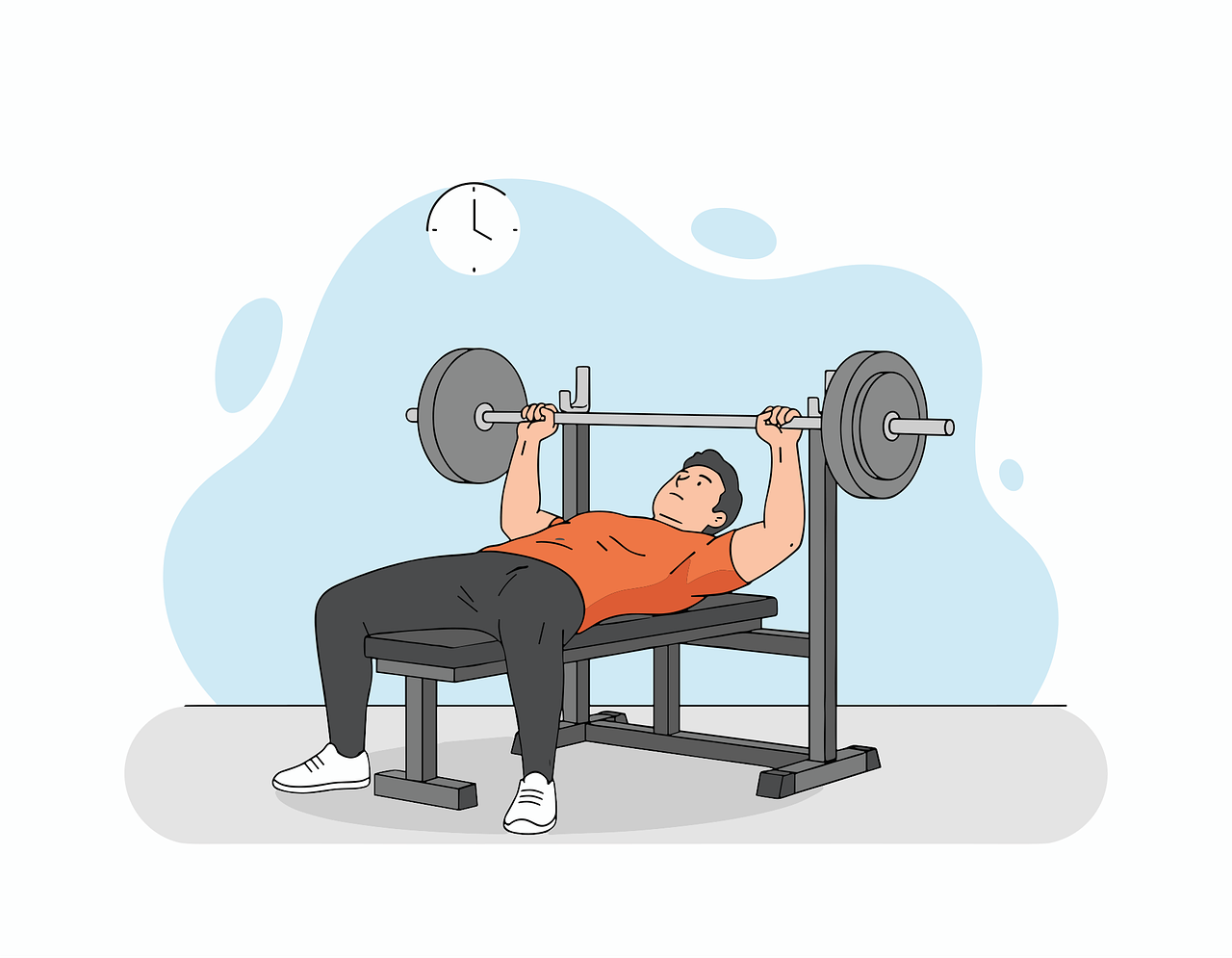
Resistance training is a potent tool for boosting mental health, particularly for men seeking stress relief. Lifting weights and resistance exercises foster a greater sense of achievement and physical empowerment. These workouts require focus and concentration, diverting attention from daily stressors. Engaging with weights creates a mindful workout environment, creating a flow state where worries dissolve, allowing for mental clarity. The feeling of lifting heavy, overcoming challenges, and pushing personal limits cultivates resilience, both physically and mentally. Moreover, resistance training can enhance body image satisfaction, leading to increased self-esteem. Men often struggle with self-image, and building muscle can significantly counter negative emotions tied to body image. The results on the strength gained through consistent training fuel motivation, leading to healthier lifestyle choices outside the gym as well. Building muscle not only transforms the body but changes perceptions of self-worth, confidence, and overall happiness. Studies indicate that those who engage regularly in resistance training report lower levels of anxiety and depression, making it a wise choice for mental well-being. By committing to a resistance training routine, men can actively participate in their mental health journey.
Cardio workouts also play a critical role in enhancing mental health and relieving stress. Engaging in cardiovascular exercises, such as running, cycling, or swimming, promotes the release of neurotransmitters that boost mood and combat feelings of anxiety. Many men may find cardio workouts more appealing due to the immediate effects felt after a session. The runner’s high is a phenomenon experienced by many, where a euphoric feeling persists post-exercise. Additional benefits include improved heart health and increased energy levels, facilitating a more proactive lifestyle. Each cardio session improves endurance and cardiovascular health, crucial in all areas of life, including work performance. The social aspect of group classes or sports adds an important dimension, providing motivation and camaraderie among participants. Men engaging in shared workouts can foster friendships, providing support systems essential for overall well-being. Creating a routine that incorporates various cardio sessions ensures that the motivation to stay active remains high. These workouts can clear the mind, sharpening mental focus while decreasing anxiety. Additionally, consistency in cardio leads to better sleep, which is integral for mental and physical recovery. Prioritizing cardio workouts can yield phenomenal mental health advantages for men.
Integrating Mindfulness in Workouts
Integrating mindfulness techniques into workouts dramatically enhances their mental health benefits. Mindfulness-based workouts encourage a deeper connection between the mind and body, fostering awareness throughout. By focusing on breath, movement, and sensations, men can cultivate a strong mind-body connection. Techniques such as visualizing accomplishments during workouts bolster motivation and mental stamina. Practicing mindfulness can shift the emphasis from physical performance to personal growth and emotional release within the workout context, creating healthier habits. It is vital to approach workouts without solely focusing on the number of repetitions or weights lifted. Instead, men should consider workouts an opportunity to reflect and process emotions, leaving stressors behind. Incorporating relaxation techniques, such as deep breathing or visualization, can enhance workout effectiveness significantly. Mindful practices can be carried out during warm-ups, offering time to ease into the physical and mental space. This engagement boosts mood while also elevating emotional regulation skills over time. Chi-based activities like yoga or tai chi present excellent mindful workout options, offering opportunities for both flexibility and balance. Committing to these practices can initiate profound changes in men’s mental health.
Outdoor workouts can further amplify the mental health benefits of exercise. Nature has an invigorating effect, and combining physical activity with natural settings boosts overall mood. Many studies argue that exercise performed outdoors significantly reduces stress levels and anxiety when compared to indoor workouts. Additionally, exposure to sunlight increases vitamin D levels, which supports mental health. Outdoor workouts enable men to step away from the confines of a gym environment, instead embracing fresh air and open space. Activities like hiking, cycling, or outdoor sports not only encourage movement but also foster connections with nature. Developing a routine that incorporates outdoor exercise can pave the way for lasting emotional well-being. Time spent outside might also prompt social activities, promoting connection with family and friends. Engaging in physical activities within nature decreases feelings of isolation, igniting a sense of community. Furthermore, mindfulness in outdoor settings leads to enhanced relaxation, significantly improving mental clarity. It’s essential for men to embrace outdoor workouts, blending exercise with the therapeutic routes of the great outdoors. Practicing outdoor activities regularly can support improved mental health, increasing fulfillment and happiness.
The Role of Nutrition for Mental Health
A crucial aspect of maintaining mental health in conjunction with gym workouts is nutrition. Proper dietary habits can significantly impact mood and emotional states. Consuming balanced meals filled with whole foods, fruits, vegetables, healthy proteins, and fats provides the necessary nutrients for overall brain health. Vitamins and minerals, such as omega-3 fatty acids, have been linked to improved cognitive function and emotional stability. Encouraging men to plan their meals around workout schedules fosters discipline, positively correlating with improved mental health. Staying hydrated is also fundamental, as dehydration may lead to fatigue, irritability, and cognitive impairment. Creating a body that balances workout nutrition and mental health practices strengthens connections between physical and emotional wellness. Foods rich in antioxidants and minerals minimize oxidative stress, further fortifying mental clarity and focus. Developing a relationship with food that prioritizes health over convenience can dramatically improve self-care routines. Men should view nutrition as fuel for workouts and emotional well-being. Establishing connections between eating habits and mental health will empower men to make healthier choices that nourish both body and mind. Prioritizing nutrition can solidify the foundation of health achieved through exercise.
Finally, recovery is an essential component in any fitness routine aimed at bolstering mental health. Adequate rest and recovery help restore both mind and body after workouts. Sleep deprivation can lead to heightened stress levels, anxiety, and decreased cognitive performance. Men should prioritize good sleep hygiene, from maintaining consistent bedtimes to optimizing their sleeping environment. Incorporating active recovery techniques, like low-intensity stretching or yoga, can aid in muscle recovery and provide mental relaxation. Planning recovery days within workout schedules can prevent burnout, further enhancing motivation and mental clarity. Additionally, reflecting on workout accomplishments during recovery times ensures that continued progress remains in focus. A holistic approach, combining physical activity, nutrition, mindfulness, and recovery techniques, creates a comprehensive program for improved mental health. Understanding how each component interacts fosters better emotional regulation, building resilience over time. Ultimately, by embracing the importance of recovery, men can sustain the vitality necessary for enduring mental health benefits. Maintaining a balanced fitness routine that emphasizes recovery can serve as a cornerstone for long-term emotional well-being.