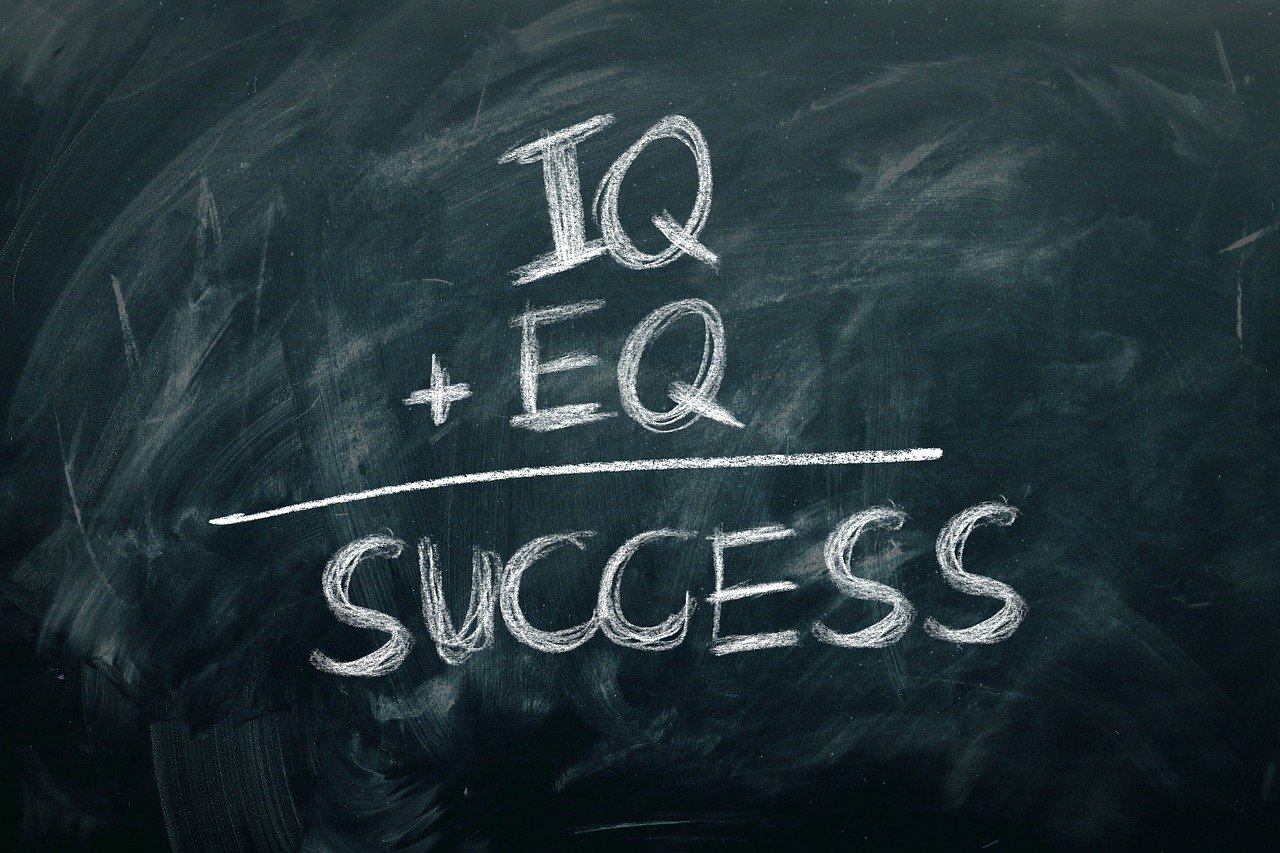

Improving Relationships by Managing Stress Through Emotional Intelligence
Managing stress effectively is essential for fostering healthier relationships. Stress can cloud judgment, impair communication, and create barriers between individuals. By focusing on emotional intelligence, individuals can better understand their emotional responses and reactions to stress. Emotional intelligence involves recognizing one’s own emotions and those of others, enabling effective interaction. Techniques to boost emotional intelligence include self-reflection, where individuals analyze their stress triggers and emotional habits. By recognizing these patterns, a person can learn to manage them proactively. Additionally, developing empathy is crucial; this involves understanding and validating the emotions of others. When individuals exhibit empathy, it reduces conflict and promotes positive interactions. Engaging in active listening helps clarify misunderstandings that could lead to stress. Practicing mindfulness can also enhance emotional intelligence, as it encourages individuals to stay present. This practice reduces anxiety and fosters a more balanced approach to stressful situations. By cultivating these emotional intelligence traits, individuals can navigate their relationships with greater ease, ultimately creating a more harmonious environment. The result is improved communication, reduced conflict, and deeper connections with others, which significantly contributes to overall well-being and relational satisfaction.
Understanding stress is the first step in managing it effectively. Different types of stress impact emotional intelligence and relationships uniquely. Acute stress often results from specific events, while chronic stress stems from ongoing pressures, impacting decision-making and emotional responses significantly. Recognizing the differences helps individuals develop tailored strategies. When stress occurs, assessment of its nature is vital. People react differently to various stressors, and understanding these reactions is key to gaining control over one’s emotions. Techniques such as cognitive restructuring can be employed, helping individuals challenge negative thoughts that often accompany stressful situations. This is crucial in emotional intelligence, as it enables a more responsive rather than reactive approach. Another effective method is the application of stress-reduction techniques, like deep breathing exercises and physical activities. These help mitigate stress responses, allowing for clearer thinking. Incorporating these methods into daily routines significantly enhances emotional regulation, resulting in improved interpersonal relationships. Additionally, fostering a supportive social network can serve as a buffer against stress. Open communication within these networks facilitates sharing of emotional burdens. Therefore, effective emotional intelligence development ultimately leads to enhanced stress management, positively shaping interactions with others and reinforcing relationships.
Emotional Intelligence as a Tool
Emotional intelligence serves as a vital tool in stress management, significantly impacting our social dynamics. Individuals with higher emotional intelligence are better equipped to recognize the emotional cues in themselves and others. This recognition improves their ability to respond to stressors constructively, reinforcing healthy relationships. By managing their emotional responses, these individuals can navigate conflicts and misunderstandings more effectively. Emotional awareness allows individuals to step back from stressful encounters and assess the situation without being overwhelmed. This self-regulation is crucial during interpersonal interactions, as it fosters patience and understanding during conflicts. Moreover, tapping into emotional intelligence enables proactive communication, as individuals learn to express their feelings appropriately. This approach reduces tension and builds rapport, forging stronger bonds with others. In professional settings, for instance, leaders who demonstrate emotional intelligence tend to foster teamwork and collaboration, essential elements in stressful environments. By emphasizing emotional intelligence, individuals can break the cycle of stress-induced reactions. They can create an atmosphere of openness and support, further enhancing group cohesion. Ultimately, emotional intelligence nurtures relationships, encouraging individuals to cultivate empathy, patience, and understanding, thereby transforming stressful encounters into opportunities for stronger connections.
Implementing emotional intelligence in everyday life can be a transformative journey that enhances relationships. It involves ongoing learning and application of strategies designed to improve emotional awareness. Regular self-reflection is one approach that facilitates understanding personal triggers. Writing a journal can help track emotional responses to different stressors and gain insights into behavioral patterns. Furthermore, establishing regular routines that include stress relief activities promotes emotional health. These could involve exercising, engaging in hobbies, or practicing relaxation techniques like meditation. All contribute to effective emotional regulation. Another strategy involves seeking feedback from trusted friends or family on how effectively one manages stress. This external perspective can uncover blind spots and provide wisdom for improved interactions. Training in emotional intelligence, such as workshops or courses, is also invaluable. Such programs offer structured methodologies for enhancing skills, creating a significant impact on managing stress and fostering relationships. Applying these techniques consistently empowers individuals to handle challenges with grace. When emotional intelligence flourishes, relationships can grow stronger, built on understanding and kindness. This shift in perspective transforms how individuals view interactions, evolving stress into pathways for deeper connections with others.
Creating an Emotionally Intelligent Environment
Creating an emotionally intelligent environment is pivotal for fostering supportive relationships and managing stress. This environment can be cultivated both at work and home by establishing open lines of communication. Conversations should be encouraged where individuals feel safe to express their emotions and experiences. Additionally, fostering a culture of appreciation and recognition reinforces emotional connections. Simple expressions of gratitude can significantly boost morale and emotional well-being, creating a buffering effect against stress. Acknowledging the emotions of others promotes unity and compassion, essential qualities in times of stress. Implementing team-building activities can also enhance emotional intelligence collectively. These activities build trust and improve communication among peers, laying the groundwork for better collaboration during stressful periods. Encouraging mindfulness practices within teams or families fosters a collective awareness of emotions, ensuring stress doesn’t escalate unchecked. Furthermore, leadership plays a crucial role in modeling emotional intelligence. Leaders who prioritize emotional health set the tone for their environment, inspiring others. Through consistent practice and reinforcement, an emotionally intelligent community emerges where stress is managed effectively, ensuring relationships thrive amidst challenges, uncovering opportunities for understanding and support during difficult times.
In conclusion, the relationship between stress management and emotional intelligence is crucial for sustained relational health. By effectively managing stress through emotional intelligence, individuals not only improve their personal lives but also positively influence those around them. Enhanced emotional intelligence leads to better recognition of one’s feelings and those of others. This recognition fosters empathy, patience, and understanding—qualities that ease tensions during stressful encounters. Individuals equipped with emotional intelligence can overcome relational obstacles, facilitating clearer communication and collaboration. They are often more resilient in the face of challenges, avoiding destructive reactions to stress. Creating an environment conducive to emotional intelligence is essential for nurturing strong relationships. Continuous learning and adapting lead to improved emotional and stress management skills, benefitting all involved. Furthermore, it is vital to share knowledge and techniques with peers and family members to establish a culture of emotional health. When stress is effectively managed through emotional intelligence, deeper connections can result, turning potential conflicts into opportunities for understanding. The journey of enhancing emotional intelligence and managing stress significantly enriches both personal and interpersonal relationships, paving the way for a fulfilling and supportive social tapestry.
To explore the depth of emotional intelligence, it’s critical to integrate its principles into daily practices. Daily routines that incorporate stress management techniques can be transformative, thereby enhancing emotional resilience. Engaging in mindful breathing exercises throughout the day and taking breaks when needed are simple yet effective strategies. These practices allow individuals to reconnect with themselves and gauge their emotional states without being overwhelmed. Furthermore, fostering an attitude of self-compassion during stressful periods can significantly ease emotional strain. Individuals are encouraged to treat themselves with kindness rather than judgment in challenging times. This approach promotes emotional healing and awareness, allowing for better relational interactions. Additionally, reaching out for support during difficult times signifies strength not weakness. Sharing feelings and concerns with trusted individuals aids emotional processing and stress relief. Education around emotional intelligence and stress management can echo through future generations, promoting a societal shift that values emotional awareness. Implementing these foundational principles enhances individual relationships and fosters collective emotional intelligence. When communities actively engage in emotional intelligence practices, stress becomes manageable, leading to enriched relationships and healthier environments for everyone involved.
Ultimately, improving relationships through managing stress with emotional intelligence is achievable through ongoing effort and commitment. The journey is filled with opportunities for growth and connection, not only with oneself but also with others. By prioritizing emotional health and employing strategies that focus on understanding emotions, individuals can navigate life’s challenges more gracefully. Acceptance of both personal and communal emotions creates a nurturing atmosphere where stress can be managed effectively. Whether at work or home, fostering emotional connections transforms potential conflicts into avenues of collaboration and innovation. Individuals significantly enhance their emotional skills through active engagement, self-reflection, and practice. The ripple effect of these improvements spreads to families, teams, and communities, generating a more empathetic society. As emotional intelligence becomes a core aspect of interpersonal relationships, healthier connections will ultimately flourish, reducing stress overall. The commitment to managing stress through emotional intelligence paves a clearly defined path for emotional and relational growth. By understanding the profound influences of emotional intelligence on relationships, individuals can take the necessary steps towards a harmonious life, filled with nurturing connections and mutual support.