
The Ultimate Guide to CrossFit Competitions: What You Need to Know
CrossFit competitions are highly competitive events designed for athletes to showcase their strength, endurance, and overall fitness. They typically feature a series of intense workouts that test various physical skills. Competitors often find themselves pushed to their limits throughout different rounds and stages of the events. Understanding the structure of these competitions is crucial for both participants and spectators. Events can vary widely, ranging from local competitions to larger-scale championships. Each competition typically has a unique set of standards and rules that all participants must adhere to. Competitors should prepare thoroughly, not just on the physical side, but also in strategy and technique, which are vital for success. A strong understanding of the scoring system is also necessary, allowing athletes to navigate their performance accordingly across multiple events. Many questions arise, including those related to entry requirements, age divisions, and qualifying standards. Make sure to review these details beforehand to ensure everything goes smoothly. This guide aims to cover these critical aspects of CrossFit competitions and prepares participants for the challenges ahead.
Preparing for a CrossFit competition is a multifaceted endeavor. Prospective competitors must focus on training regimens that encompass various workout domains, including weightlifting, cardio, and gymnastic movements. Often, specificity in training can lead to better outcomes on competition day. A balanced routine is essential, ensuring that no particular skill falls by the wayside. Athletes must also pay attention to their nutrition, whereby consuming adequate amounts of protein, carbohydrates, and fats is vital for optimal performance and recovery. Many competitors choose to adjust their caloric intake as competition approaches, fueling their bodies correctly to enhance stamina and prevent fatigue during long events. Adequate rest and recovery phases are just as important as training. Continuous exertion can lead to burnout, injuries, and underperformance when it matters most. It is often advisable to utilize tapering techniques in the final weeks leading up to the competition. Mental preparation should not be overlooked, as visualization methods can help athletes deal with performance anxiety on the big day. Lastly, surrounding oneself with a supportive community provides emotional resilience and motivation.
Understanding Scoring Systems
Understanding scoring systems in CrossFit competitions is crucial for athletes. Each event within a competition often has different scoring methods, which can include time-based, repetitions, or point allocations. Usually, competitors accumulate points based on their performance against each workout’s requirements. Time trials are standard, where the athlete performs the tasks as quickly as possible. In this case, the fastest time wins, but if tied, judges may look at subsequent scores from other workouts. For other events, scoring may depend on the number of repetitions completed within a time limit. Knowing how events are scored allows competitors to strategize effectively. Some might choose to accelerate in certain events while conserving energy for others where they are stronger. Keeping track of standing relative to other competitors is essential as athletes progress through the various events. Additionally, understanding the leaderboard is essential for athletes, providing insight on where they stand and what to improve next. Each leaderboard update can dictate an athlete’s approach to upcoming workouts based on their current ranking in the competition.
CrossFit competitions can be categorized into various types, which cater to different skill levels and training styles. Local competitions often provide a more relaxed environment for newcomers to experience their first competitive event. These events are accessible and usually focused on community building, encouraging athletes of all levels. On the other hand, regional and national competitions attract more advanced athletes looking to showcase their elite skills. These events are highly competitive and often attract sponsorships, media coverage, and large crowds. National competitions can lead to qualifiers for prestigious events like the CrossFit Games. This tournament is the pinnacle of CrossFit competition, showcasing the finest athletes worldwide. Online competitions have also gained popularity, allowing athletes to compete remotely. This format provides an alternative for many who may not be able to attend in-person events due to various limitations. Understanding these categories enables athletes to target their efforts appropriately. Each level offers unique challenges and opportunities for growth, so having a clear goal is essential for anyone considering competitive CrossFit.
Essential Gear for Competitors
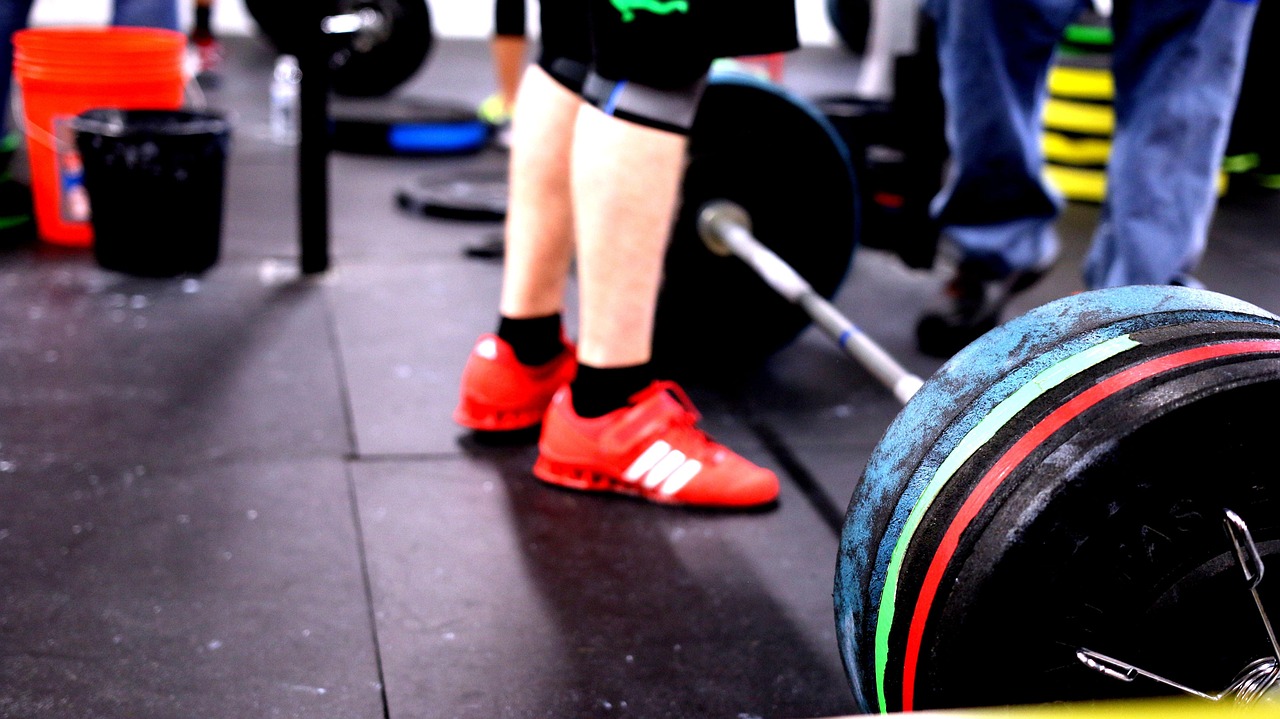
The right gear plays a significant role in successfully competing in CrossFit events. Athletes should consider investing in high-quality training shoes designed for CrossFit to ensure safety and performance. Proper footwear can significantly enhance agility and ease during various workouts. Additionally, comfortable and suitable clothing is essential to allow full range of motion without causing distractions. Compression gear can aid in recovery while also providing support during intense competitions. Essential accessories may include weightlifting belts, wrist wraps, and jump ropes, further enhancing performance depending on event requirements. Athletes should also pay close attention to their hydration and nutrition during competitions and may choose to bring electrolyte drinks or snacks. Additionally, certain events may require specific equipment, such as kettlebells or battle ropes, so checking the competition guidelines is crucial. Having all the necessary gear on hand ensures athletes can focus their energy on performing their best. Lastly, communication gear like headphones could help keep athletes attuned to their surroundings, particularly in crowded environments, thereby increasing focus and performance.
Crowd energy and atmosphere play a significant role in the success of CrossFit competitions. Events usually draw large crowds, including fans, family, and fellow athletes. This atmosphere can be both invigorating and overwhelming for competitors. Many athletes find motivation in the cheers and support from spectators, which can elevate performance levels. However, for some, the emotional intensity may lead to competition anxiety. Preparing mentally for managing crowd dynamics is wise. Competitors should practice their routines in environments with distractions, simulating competition-day conditions for better effectiveness. Staying focused on personal performance rather than comparison to others in the crowd can help mitigate stress. Additionally, many athletes benefit from establishing pre-competition routines that help center their thoughts and reduce anxiety levels. As competitions progress, the crowd might react differently, creating fluctuating levels of noise and focus. Athletes should maintain their composure and utilize their training to push through these distractions. Embracing the community aspect of CrossFit at competitions fosters positive energy and sportsmanship, allowing athletes to celebrate not just personal achievements but the accomplishments of fellow competitors as well.
Post-Competition Recovery
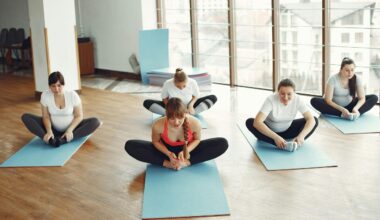
After a CrossFit competition, athletes may often feel a mix of emotions, from elation to exhaustion. What occurs during the recovery stage is just as vital as preceding training phases. First, focusing on post-workout nutrition can significantly aid in recovery and replenish lost energy. Consuming a balanced meal including carbohydrates, protein, and healthy fats is essential within the first hour after completing the competition. Hydration should also be prioritized to aid in rehydration, helping alleviate post-competition fatigue. Active recovery methods, such as light stretching or yoga, can be beneficial for relieving muscle soreness. Additionally, competitors should consider planning rest days to allow their bodies adequate time for recovery. Sleep and overall wellness play significant roles in ensuring athletes can return to their regular training schedules without injury. Engaging in a self-care regime post-competition can enhance physical and emotional well-being. This could include massages, foam rolling, and even mental health breaks to analyze competition performance. Reflecting on experiences provides the opportunity for growth and improvement in preparation for future contests.
In conclusion, CrossFit competitions represent a unique mix of challenge, community, and personal growth. These events not only push physical boundaries but also foster a positive competitive spirit among diverse athletes. Following the essential steps for preparation, understanding the intricacies of scoring, and utilizing proper gear contributes to a successful competition experience. The energy from crowds provides a momentous background, motivating athletes to push their limits. Post-competition recovery is equally critical, as it sets the stage for future training and competitions ahead. Athletes should aim for continual improvement and remember that every competition is an opportunity to learn. Engaging with other competitors can enhance the overall experience, offering connections and relationships that last beyond the mat. Whether you’re considering participating or simply interested in the sport, knowledge and preparation are key aspects that contribute to success. CrossFit competitions hold a place of importance in fitness culture, prompting many to pursue their best selves. By arming yourself with information outlined in this guide, you’ll be well-equipped to navigate the exciting world of CrossFit competitions.