
Best Warm-Up and Cool-Down Routines for City Runs
When it comes to urban marathon training, incorporating effective warm-up routines is essential. These warm-ups ensure that your body is ready to tackle the rigors of city running. Begin with dynamic stretches that focus on key muscle groups such as the legs, hips, and upper body. Simple exercises like leg swings, high knees, and butt kicks can effectively raise your heart rate and prepare your muscles. After your dynamic work, consider a light jog for about five minutes, which helps to increase blood flow to muscles and joints. Also, stay hydrated and apply sunscreen to protect your skin from urban sun exposure. Remember to avoid static stretches beforehand; they can reduce your performance. Incorporating mobility exercises can also greatly enhance your range of motion. As you’re preparing, focus on your breathing to calm any nerves. Utilizing an urban setting allows you to practice these routines in real-life scenarios, offering familiarity for race day. Hence, establish a warm-up routine that you can duplicate before every training run, gradually enhancing each session’s effectiveness. Not only will this enhance performance, but it also helps prevent injuries.
Post run, the cool-down process is just as essential as your warm-up. A proper cool-down allows your heart rate to gradually decrease and promotes muscle recovery. Begin with a slow jog or brisk walk for about five to ten minutes to help flush out metabolic waste products. Following this, take time for static stretching focusing on the major muscle groups used during your run. This could include hamstring stretches, quadriceps stretches, calf stretches, and hip flexor stretches. Make sure each stretch is held for at least 15 to 30 seconds for maximum benefit. Cooling down not only aids recovery but also helps to maintain flexibility. Consider incorporating foam rolling into your routine; it can be particularly beneficial in relieving muscle tension after intense sessions. To optimize recovery further, ensure you hydrate adequately during this phase. Stretching should be done gradually, and it must never induce pain. Emphasize a mindful approach during your cool-down to leave you feeling relaxed and accomplished after each run. This routine helps in training for the urban marathon, making your runs more enjoyable and sustainable.
Specific Warm-Up Exercises
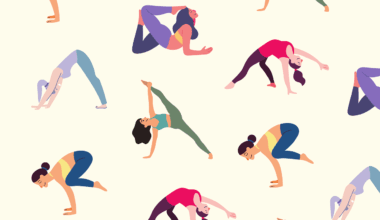
Certain warm-up exercises can be particularly beneficial for urban marathon training. Begin with leg swings, where you stand and swing one leg back and forth, gradually increasing the range of motion. This will help to loosen your hip flexors and hamstrings. Follow this with high knees, which engage your core while elevating your heart rate and increasing blood flow. Don’t forget lateral lunges, which enhance side-to-side mobility crucial for navigating city streets. Include arm circles to warm up your upper body, allowing smoother arm movements when running. Additionally, consider butt kicks to activate your glutes and hamstrings. These exercises not only prepare your muscles for the upcoming run, but they also improve coordination and balance, especially useful in crowded urban areas. The key is consistency; practice these warm-up habits regularly. Ultimately, balancing mobility exercises with strength ones can prepare you physically and mentally for running on city terrain. This variety helps keep your training dynamic and prevents plateauing, ensuring steady improvements.
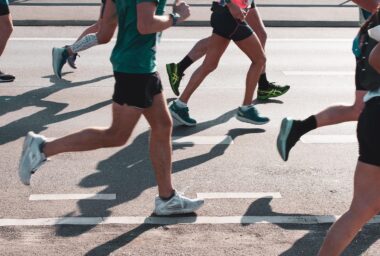
As you integrate these warm-up routines into your training, it’s important to consider the urban environment. City runs can present unique challenges, including uneven surfaces, varying elevations, and obstacles. Therefore, warming up in the actual environment you plan to run in can help acclimatize you to these conditions. Adjust your warm-up to include short bursts of speed to prepare your body for racing through crowded city streets. Pay attention to avoid slip hazards, especially if you’re running on paved paths or sidewalks. Also, try to find local parks where you can run and practice these warm-up exercises. Finding space for warm-up and cool-down in an urban setting enhances your flexibility and adaptability as a runner. Remember to adapt your exercises according to the type of marathon and your specific course. The more familiar you become with urban elements, the more effective your training will become, giving you confidence as you approach competition day.
Cool-Down Techniques
Implementing effective cool-down techniques post-training can mark the difference in recovery speed. A foundational part of any cool-down is the five-minute walk post-run. This activity allows your heart rate to lower gradually and aids in preventing dizziness or fainting. Next, dedicate time to static stretching exercises. Prioritize stretches for your calves, quadriceps, hamstrings, and glutes, focusing on relaxation and flexibility restoration. After static stretches, consider using a foam roller on tight areas; this technique can release tension from muscles and improve blood circulation. Another strategy is to utilize deep breathing exercises to promote relaxation and help calm your nervous system. Gradually inhaling and exhaling can accelerate muscle recovery. It’s essential to incorporate hydration in your post-run routine as well to replenish what you’ve lost during running. Don’t forget to reward yourself with a nutritious snack or meal afterward; this aids recovery. By dedicating adequate time to your cool-down routine, you can help minimize soreness and maintain performance as you continue your training regimen.
As urban marathon runners, consider your network of support. Running can be both exhilarating and exhausting, and a community can help keep you motivated. Joining a local running club is a great way to connect with others. Train alongside experienced runners who can offer guidance on warm-up and cool-down methods, customizing them for urban environments. Many clubs will have structured workouts designed for city streets, which can help improve your pacing strategy and avoid injuries. Participating in group runs also encourages accountability and motivation among peers. Sharing your experiences enhances your overall training and gives you insights into best practices for race day. Additionally, collaborate with coaches or experienced runners for personalized advice on technical aspects of running, such as pacing and breathing techniques. Building relationships with fellow runners can foster a supportive atmosphere enhancing your training journey. Pursuing the joys of running together helps build experiences that lead to lasting friendships. The camaraderie will ultimately contribute to a more engaging and fulfilling training environment while preparing for urban marathons.
Summary and Conclusion
In conclusion, both warm-up and cool-down routines play critical roles in training for urban marathons. Focusing on dynamic and static stretches aids in muscle readiness and recovery efficiency. Implement a variety of exercises, ensuring they cater specifically to the unique urban running environment. This adaptability benefits your overall training and enhances your performance on race day. Consistency in your routines is key; regular practice ensures your body is conditioned. Moreover, the inclusion of hydration, nutrition, and community support strengthens your training foundation. Establishing these habits can vastly improve your journey toward marathon success. The combination of a mindful warm-up, adequate cool-down, and engagement in a supportive running community will give you the tools necessary to excel. Finally, always pay attention to your body’s signals during training; if pain arises, reassess your routines. It’s about precision, consistency, and enjoyment in the urban running experience. By adopting these strategies, you can ensure that your marathon training is effective, rewarding, and enjoyable.