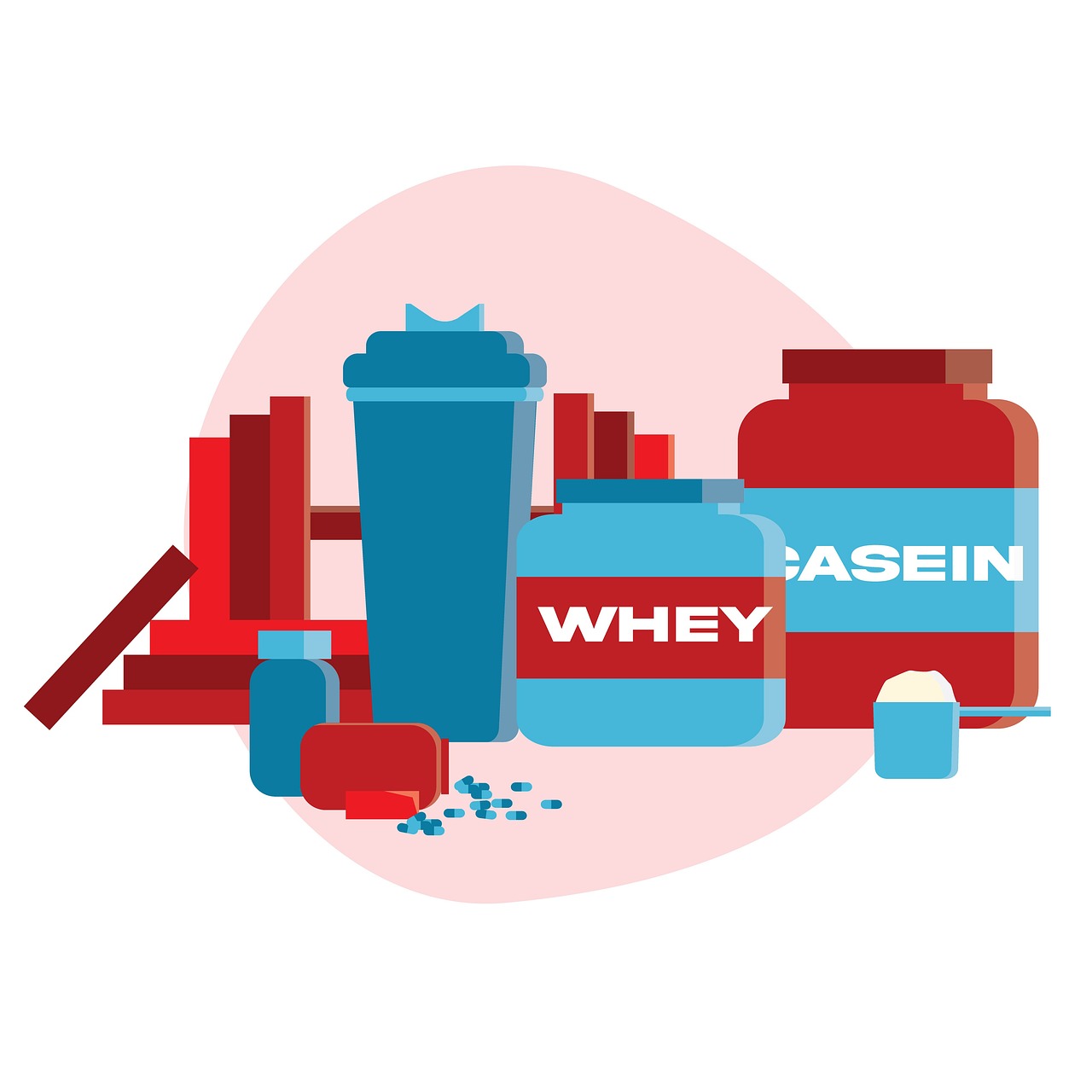

Supplements vs. Whole Foods: Protein Choices for Muscle Growth
When pursuing muscle growth, the debate between supplements and whole foods is a common topic of conversation. Supplements, such as protein powders and bars, offer convenience and a precise way to meet protein goals. They are easily digestible and can be used to boost protein intake quickly, especially post-workout. However, it’s essential to consider the quality of protein in supplements and whether they provide additional nutrients. Whole foods, such as chicken, fish, eggs, dairy, legumes, and nuts, not only supply protein but also offer vitamins, minerals, and other compounds beneficial for recovery and muscle repair. Additionally, whole foods can contribute to a feeling of fullness due to their fibrous structure, which is often missing in many supplement forms. When making a choice between the two, personal preferences, dietary restrictions, and health goals must be taken into account. Some individuals may find it challenging to meet protein needs solely through whole foods, while others appreciate the strategic convenience of adding supplements to their diet.
Evaluating Protein Quality and Sources
The amino acid profile of a protein source is crucial for muscle growth and repair. Proteins composed of all essential amino acids help maximize muscle protein synthesis. Animal-based proteins, such as meat, eggs, and dairy, generally contain all nine essential amino acids, thus considered complete proteins. On the other hand, many plant-based proteins, like beans, lentils, and grains, may lack one or more essential amino acids, classifying them as incomplete proteins. Nevertheless, combining various plant sources can ensure all essential amino acids are consumed over the day. For instance, pairing beans with rice creates a complete protein profile. This factor should be considered when deciding between supplements and whole food sources of protein. Both options can be effective; however, choosing a variety of protein sources is essential for optimal muscle recovery and growth. Another important factor to consider is the dietary fiber content found in whole foods, which aids in digestion and can help regulate appetite, complementing the muscle-building process effectively.
Cost-effectiveness is also a significant consideration when choosing between protein supplements and whole foods. Generally, whole food sources of protein can be more affordable in the long run. Buying items like chicken, beans, and grains in bulk can lead to substantial savings compared to constantly purchasing protein powders or bars. Additionally, some individuals may be concerned about the lasting impact of relying heavily on processed supplements, as many contain added sugars, fillers, or artificial ingredients. Whole foods tend to offer much fewer processed ingredients, aligning with a more natural approach to nutrition. For those on a tighter budget, finding sources of protein that match their financial limitations while also catering to their dietary preferences can influence their overall choice. Moreover, the source of protein can affect how it fits into one’s lifestyle; meal prep with whole foods might take more time but offers immense benefits, whereas supplements can provide a quick protein fix. Balancing both strategies might ultimately offer a dual benefit in supporting muscle growth.
Convenience and Eating Behavior
The convenience factor of protein supplements cannot be overlooked. For those with busy lifestyles, protein powders and bars provide an easy, quick fix to reach daily protein goals without the need for extensive meal preparation. Simply mixing a scoop of protein powder with water or milk and consuming it can fit seamlessly into a hectic schedule, making it quite appealing for post-workout recovery. However, convenience sometimes comes at a cost, including potential over-reliance on processed foods that may lack other essential nutrients necessary for health. Another consideration is the type of protein—choosing whey, casein, or plant-based can vary in digestibility and absorption rates. Whole foods require a commitment to cooking and meal planning, which can foster healthier eating habits, but also take more time to prepare. Ideally, incorporating both approaches might be beneficial, ensuring a balance of convenience and nutrient density. Strategy is key—finding the right mix often depends on one’s personal lifestyle, training schedule, and specific muscle-building ambitions.
Micro and macronutrients play a huge role when discussing protein quality. Whole food sources of protein often come packed with vitamins, minerals, antioxidants, and healthy fats that supplements might lack. For instance, fatty fish like salmon not only provides high-quality protein but also omega-3 fatty acids, which are vital for inflammatory response and heart health. Consuming a wide array of whole foods can help cover the broad spectrum of nutrients essential for muscle growth. On the contrary, some premium protein powders have incorporated these additional nutrients, but they might not compare to the benefits of whole food sources. Therefore, evaluating the nutrient profiles in context is key when choosing a protein source. Supplementing your diet with both options can also allow a degree of variety, helping to avoid flavor fatigue and keeping meals interesting. Ultimately, the nutritional benefits from various food sources will highly influence muscle recovery and growth alongside an individuals’ training regimen. Striking the right balance between supplements and whole foods is crucial.
Personal Preferences and Goals
Individual preferences and specific fitness goals should guide the decision-making process when weighing protein sources. Anyone following a plant-based lifestyle may lean towards whole foods or plant protein powders that support their dietary choices while providing essential nutrient benefits. Similarly, someone aiming for rapid weight gain or muscle mass may find that protein supplements offer a quick and easy way to increase caloric and protein intake. Balancing these proteins with whole foods can ensure nutrient diversity while supporting both muscle recovery and energy levels. Understanding personal fitness goals, like bulking or cutting, significantly impacts the dietary structure, as will training intensity levels. For athletes requiring high protein content in their diets, supplements can offer an additional strategic advantage. However, it must be noted that excessive intake of protein, whether from supplements or food, can lead to adverse effects if not managed well. Engaging in mindful eating practices can help individuals choose wisely based on taste preference, digestion comfort, and long-term health outcomes consistent with their lifestyle.
In conclusion, the decision between supplements and whole foods for muscle growth is multifaceted, requiring consideration of protein quality, nutrient content, individual lifestyle, and overall health goals. While supplements present convenience for busy schedules, whole foods deliver various nutrients that benefit recovery and overall health. Ultimately, an intelligent blend of both could be optimal for muscle growth. For those looking to maximize results, integrating diverse protein sources while adhering to a balanced diet can demonstrate the best approach to muscle building. Furthermore, adjusting protein intake based on activity levels and times of the day can help orchestrate maximum effectiveness in training. Knowledge is power. Many fitness enthusiasts favor specific protein combinations tailored to their muscle-building needs. As a takeaway, be mindful of the choices made, enhancing overall nutrition positively. Assessing preferences and understanding the implications of each choice, including how much and when to consume, can lead to better success rates in finding the most suitable protein strategy to achieve muscle growth. The journey to muscle growth is unique and should closely align with personal goals and lifestyles.