
Smart Rings and Their Benefits
Smart rings have emerged as an innovative solution in the fitness technology realm, providing a compact, stylish, and versatile way to monitor various fitness metrics. These tiny devices are equipped with advanced sensors that track heart rate, sleep patterns, activity levels, and even stress responses, enabling users to gain comprehensive insights into their overall well-being. One of the key advantages of using smart rings is their discreet size; they can be worn all day without discomfort, unlike bulkier devices. Additionally, smart rings can seamlessly integrate with other fitness applications, allowing for personalized monitoring based on individual goals. Furthermore, many smart rings allow users to receive notifications directly on their devices, promoting an efficient awareness of health parameters during workouts or daily activities. For individuals on a journey toward mindfulness, smart rings can also measure physiological states linked to mental health, making them valuable tools in blending fitness and mindfulness. They help foster a deepened awareness of the body’s signals, ultimately allowing users to make more informed health choices throughout their daily lives. As they gain popularity, smart rings signify the future of fitness technology.
Using Smart Bands for Mindfulness
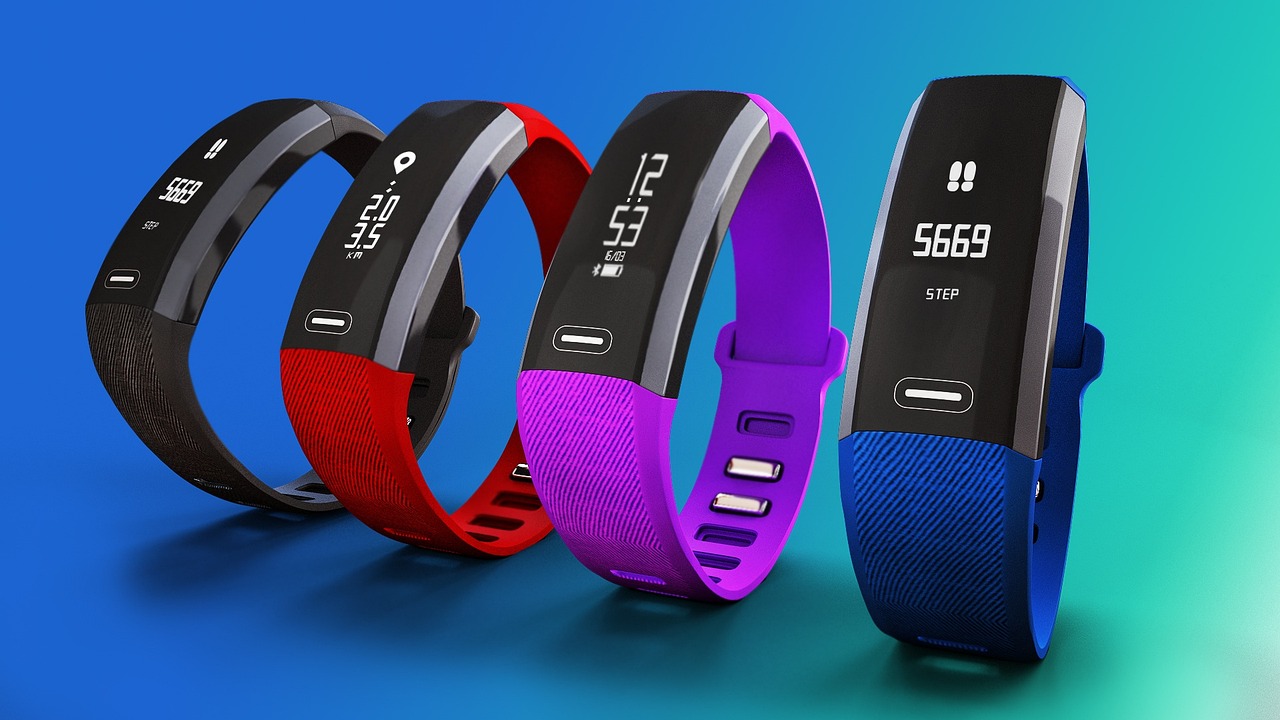
In contrast to smart rings, smart bands offer a more comprehensive interface for fitness and mindfulness metrics. These wearable devices typically feature larger displays that present a variety of fitness information, including guided breathing exercises aimed at promoting mindfulness. Many smart bands are designed with integrated heart rate monitors, sleep trackers, and stress level sensors, providing users with valuable insights into their health and emotional states. The device is often equipped with haptic feedback that vibrates during mindfulness reminders or meditation prompts. Users can customize alerts to remind them to practice mindfulness techniques, stretching, or simply take a deep breath when emotions peak. Moreover, smart bands can connect to community platforms and forums to engage users further in fitness and wellness practices, reinforcing motivation. Social connections can help bolster commitment to wellness routines. With personalized notifications synced with mental health applications, users can receive tailored exercises and insights on stress management specifically catered to their needs. Thus, integrating smart bands into everyday life can elevate mindfulness practices while ensuring overall fitness is maintained.
Data Privacy Considerations
As with any technology, the use of smart rings and bands for monitoring fitness and mindfulness introduces important data privacy concerns. These devices collect vast amounts of personal health data, from heart rates to sleep patterns, raising issues regarding who has access to this sensitive information. Users must be informed about data-sharing policies and how this data may be used, including potential third-party access. Many manufacturers emphasize strong data encryption and user consent, but it’s essential to understand the extent of privacy mechanisms in place. Always review privacy settings carefully. Users should be cautious of connecting their devices to various applications without understanding the implications of data sharing fully. Opting for devices that prioritize users’ privacy and have reputable practices concerning user data can enhance overall confidence in using technology for health monitoring. Every individual should evaluate the trade-off between utilizing cutting-edge health monitoring and ensuring their data remains secure. Engaging with community reviews on device privacy experiences can guide potential users. Increased awareness leads to informed decisions and better privacy protection in today’s ever-evolving fitness technology landscape.
Choosing the Right Device
Selecting the right smart ring or band can significantly impact one’s fitness journey and mindfulness efforts. With numerous options available, individuals must consider several factors when deciding which device best suits their needs. First, assess what specific fitness metrics are most relevant, such as heart rate monitoring, sleep tracking, or stress management features. Some devices focus exclusively on mindfulness and breathing exercises, while others may offer extensive fitness analytics. Additionally, consider smartphone compatibility; choose devices that integrate seamlessly with your existing technology for an optimized experience. Size and comfort are also important, as the device should be suitable for all-day wear. Battery life is crucial; while most devices require regular charging, find ones that provide longer wear durations between charges. Aesthetics matter too, many users prefer devices that aesthetically match their style while being functional. Finally, evaluate customer support and warranties offered by manufacturers as these can provide assistance when required. User reviews are invaluable to gauge firsthand experiences with a specific device before making a purchase, ensuring the chosen device aligns with personal health and wellness goals.
Integrating Mindfulness into Daily Routines
Incorporating mindfulness into daily routines can be effortlessly facilitated using smart rings and bands. These wearable devices can be programmed to send reminders for short mindfulness breaks throughout the day. By utilizing features such as guided meditation, breathing exercises, or gentle prompts to check in on emotional well-being, users can enhance their mental health continuously. Scheduling activities is essential; setting aside specific times for mindfulness practices amid a busy day can encourage consistency. Many users find that using a smart device not only serves as a reminder but also tracks their progress in mindfulness, offering insights into how these practices affect overall well-being. Some applications offer journaling features, allowing further exploration of thoughts and feelings during guided sessions. By integrating mindfulness practices into everyday life, individuals can cultivate resilience against stress and anxiety, improve focus, and promote emotional balance. Health and wellness become more attainable by establishing cues or reminders, transforming simple devices into powerful aids for maintaining mental balance while managing fitness routines.
The Future of Fitness Tech Integration
The future of fitness technology appears promising, especially with the continual advancement of smart rings and bands that bridge physical activity with mental wellness. Innovations in artificial intelligence allow for more precise tracking of health metrics, while enhanced connectivity features improve the sharing of insights with healthcare providers. The integration of physiological data with mental wellness metrics will revolutionize fitness industries by offering tailored recommendations for individual fitness and mindfulness practices. The emergence of augmented reality (AR) has the potential to alter how fitness routines are approached, creating immersive experiences that could optimize mindfulness through guided exercises. Continuous advancements in battery technology will increase the longevity of devices, allowing them to be worn without interruption, further enhancing daily practice. Additionally, data privacy concerns will encourage manufacturers to adopt more transparent policies, fostering consumer trust. The evolving landscape signifies a holistic approach to health and wellness; future users will likely witness devices tracking physical activity alongside mental health, creating a comprehensive tool for achieving optimal wellness. This evolution signifies a transformative era where mindfulness and fitness metrics are seamlessly intertwined for better overall health.
Conclusion: Embracing Smart Tech
In conclusion, embracing smart rings and bands for monitoring fitness metrics and mindful states can significantly enhance individuals’ journeys toward holistic health. These devices serve as practical tools for fostering awareness of the body and its responses to stress, sleep, and activity levels. By integrating technology into daily routines, users can achieve greater synergy between both fitness and mindfulness practices. With numerous options available, potential users can carefully select devices tailored to specific needs, ensuring various metrics are monitored effectively. Additionally, addressing privacy concerns while navigating the technology landscape is essential to maintain user confidence. As innovations continue to emerge, the combination of physical activity with mindfulness practices will ultimately lead to significant advancements in personal health management. Engaging with communities and sharing experiences can further enrich the overall experience in utilizing these devices. Implementing mindfulness practices and leveraging fitness metrics empowers individuals to take control of their health. The continued growth and integration of fitness technology within daily life promise a future of improved well-being, underscoring the importance of health and mindfulness in our increasingly hectic lives.