
Nutrition Tips to Complement Your Pilates Group Workouts
When embarking on a journey toward better fitness through Pilates, your nutrition plays a pivotal role. Focusing on nutrition can enhance your performance and recovery during Pilates sessions. To complement your workouts, consider incorporating protein-rich foods into your meals. Protein helps repair muscles, promotes recovery, and keeps you feeling satisfied. Aim for lean protein sources such as chicken, turkey, fish, beans, and legumes. These foods provide essential amino acids your body needs. Additionally, fueling your body with healthy fats can support overall well-being. Avocados, nuts, seeds, and olive oil are excellent choices that provide energy during workouts. Don’t forget about whole grains, which offer valuable carbohydrates essential for sustained energy levels. Choose brown rice, quinoa, and oats to maintain energy throughout your Pilates classes. Lastly, hydrate adequately; water is vital for maintaining focus and energy. Remember, a well-balanced diet not only supports physical performance but also aids in mental clarity. Prioritize whole, unprocessed foods to maximize your gains. Nutrition is key in achieving the most from your Pilates practice and feeling your best.
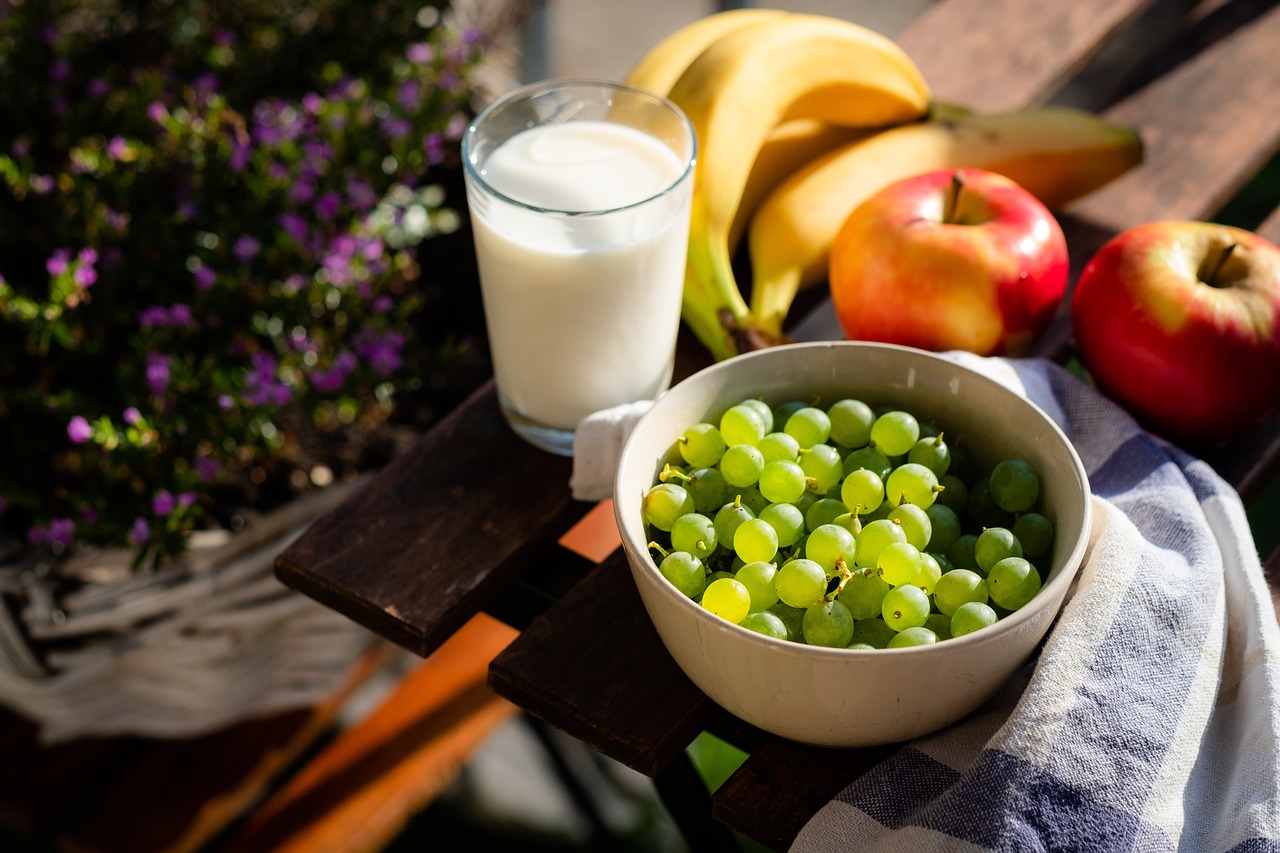
Another essential aspect of nutrition is timing. Consider when you eat concerning your Pilates sessions. Ideally, consume a light meal or snack about 30 minutes to 1 hour before your class. This can include a banana, yogurt, or a small smoothie. These options provide quick energy without causing discomfort during your workout. After your Pilates session, it’s crucial to refuel. Within an hour post-workout, have a balanced meal that includes carbohydrates and protein. For example, try a protein shake with some fruit or a chicken sandwich with whole-grain bread. This recovery meal helps replenish glycogen stores and aids in muscle repair. Moreover, regular hydration is essential to optimize performance. Drink water before, during, and after your class to keep your body hydrated. If you’re in an intense session, consider electrolyte-rich drinks to replace lost minerals. High-intensity workouts can lead to significant fluid loss, so listening to your body is vital. Being mindful of your eating schedule can significantly improve your Pilates experience, ensuring you have the energy to participate fully and benefit from each movement.
Incorporating Fruits and Vegetables
The role of fruits and vegetables in your diet cannot be overstated, particularly in relation to physical activities like Pilates. These food groups are packed with essential vitamins, minerals, and antioxidants that assist in repair and recovery. Initially, aim for a colorful variety in your diet; this diversity ensures you’re getting a broad range of nutrients. Dark leafy greens such as spinach or kale can provide your body with iron, essential for energy levels. Additionally, berries such as blueberries and strawberries are great for reducing inflammation and promoting recovery. They’re also delicious and versatile! You can add them to smoothies or enjoy them as snacks. Incorporating more vegetables can be as simple as adding them to your meals or smoothies, enhancing their nutritional profile. Carrots, bell peppers, and tomatoes provide vitamin C and contribute to immune function. Planning meals around your Pilates classes can further optimize their benefits. Consider making salads filled with various vegetables and healthy protein sources to create a meal that energizes you for your workout. Increasing your intake of fruits and vegetables can lead to significant enhancements in your energy, recovery, and overall performance.
Another important factor is managing portion sizes. Understanding how much to eat in relation to your activity level and fitness goals is key. Overeating, even healthy foods, can hinder progress and lead to feelings of sluggishness during Pilates. Rather than relying on strict calorie counts, listen to your body’s hunger cues. Eating mindfully while focusing on nutrition can improve your connection to food. Pay attention to how different foods make you feel, both physically and mentally. Servings of nutritious foods should be balanced with your overall daily energy intake. You might find that pre- or post-workout snacks can require adjustments based on the effectiveness of your Pilates practice. Keeping a food journal can help clarify what works best for you. In addition, consider preparing meals in advance to prevent impulsive eating decisions which may not align with your fitness goals. Small changes in eating patterns can have significant effects on your Pilates experience. Encourage yourself to enjoy the process of discovering what benefits your body needs as you pursue your fitness journey.
Supplements: To Take or Not?
Many Pilates enthusiasts wonder about the necessity of supplements in their diets. While whole foods should be the priority, supplements can offer additional support under certain conditions. If you find it challenging to meet your nutritional needs through diet alone, supplements may be beneficial. For example, consider adding a high-quality protein powder after intense workouts to support muscle recovery. Omega-3 fatty acids can also be beneficial, promoting anti-inflammatory effects, particularly after strenuous Pilates sessions. Additionally, a good multivitamin can help ensure you meet your daily requirements for various essential vitamins and minerals. However, it’s crucial to consult with a healthcare professional before adding any supplements. They can help identify deficiencies and recommend appropriate options for your needs. Relying solely on supplements for nutrition isn’t advisable; they should complement a healthy diet. Focus on nourishing your body with whole foods first and use supplements wisely if needed. Supplements can enhance your fitness results but should never replace a balanced approach to nutrition.
Lastly, consider the impact of meal preparation on your overall nutrition strategy. Planning meals ahead of your Pilates sessions can help ensure you have the right foods available. Dedicate a few hours on weekends to prepare healthy meals and snacks for the week. Having balanced, ready-to-eat meals can eliminate unhealthy last-minute food choices when you’re busy. Batch cooking grains, proteins, and vegetables can save time and keep your nutrition on track. Moreover, experiment with new recipes that incorporate the nutrient-dense foods discussed. Meal-prepping can eliminate the stress of daily decisions about food, allowing you to focus on your Pilates practice. Consider using portion-sized containers for easy grab-and-go meals. Nutrition is a critical element in achieving fitness success through Pilates. By implementing these strategies in a manageable way, you’re building a strong foundation for better performance and results. Planning and preparation can lead to a more enjoyable Pilates journey, making it easier to stick to your nutritional goals.
In conclusion, the connection between your nutrition and Pilates workouts is clear. Implementing the above strategies can positively impact your performance and recovery. Focus on balancing proteins, healthy fats, and carbohydrates, while prioritizing hydration. With a bit of planning and preparation, you can easily integrate nutritious foods that support your Pilates practice. Exploring various fruits and vegetables will help enrich your meals and provide essential nutrients. Also, take into account your portion sizes and timing of meals to ensure you are fueling your body appropriately. Lastly, if you decide to explore supplementation, do so in consultation with a professional to ensure optimal benefits. Building a solid nutritional routine alongside your Pilates sessions will yield lasting results, both physically and mentally. Remember, a holistic approach to health incorporates not only exercise but also nourishing your body with the foods it needs to thrive. Enjoy the journey and celebrate your progress as you embrace the transformative power of Pilates and good nutrition.
As you continue to explore the benefits of Pilates and complement it with nutrition, remain open to learning and adjusting your diet as needed. The journey toward optimal health is ongoing, and personalization is essential. Take the time to assess how different foods contribute to your energy levels and recovery after workouts. Embrace the adaptability of your nutrition plan, allowing it to grow with you as your fitness evolves. Keep experimenting with flavors and learn to love the foods that nourish your body. Consistency is key, so create habits that are sustainable long-term. Remember, your journey into nutrition doesn’t have to be rigid; focus on the balance that suits your lifestyle. Engage with fellow group fitness enthusiasts, share tips, and seek out the latest insights in nutrition to further enhance your experience. The integration of nutrition into your Pilates practice can lead to success stories and greater well-being. Ultimately, the goal is to foster a positive relationship with food while supporting your body through its movement journey. Together with Pilates, you can achieve your personal fitness goals and enjoy a healthier lifestyle.