
The Role of Cross-Training in Open Water Swimming Success
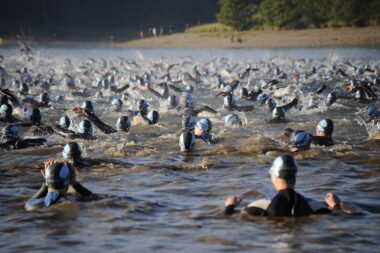
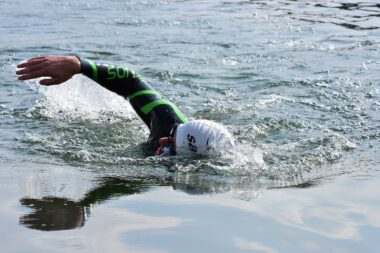
Open water swimming is a discipline that demands not only excellent swimming skills but also a variety of physical attributes. Cross-training plays a pivotal role in enhancing these attributes. Engaging in other forms of training helps swimmers build endurance, strength, and flexibility. For instance, activities like cycling, running, and rowing can significantly improve cardiovascular fitness. Additionally, strength training can increase overall muscle power, making swimmers more efficient in the water. Flexibility training, such as yoga or Pilates, can enhance range of motion, reducing the risk of injury. Incorporating diverse workouts helps swimmers adapt to different conditions they might face. Factoring in environmental challenges like currents, waves, and temperature changes, cross-training prepares athletes to face these factors. It is important for swimmers to balance their training schedules effectively. Too much focus on one activity can lead to imbalances, potentially causing overuse injuries. Therefore, a well-rounded approach is essential. Cross-training is not merely a supplemental activity; it is an integral part of a successful open water swimmer’s regimen.
While swimming skills are important, they are not the only measures of success. Nutrition is another factor that should be properly considered.
Integrating Nutrition with Cross-Training
Nutrition complements cross-training efforts by providing the necessary fuel for optimal performance. Open water swimmers have unique dietary needs due to the demanding nature of their sport. A diet rich in carbohydrates, proteins, and healthy fats is essential for sustained energy during long swims. Carbohydrates serve as the primary energy source, while proteins assist in muscle repair and recovery. Healthy fats contribute to long-term energy reserves. Swimmers should also focus on hydration. Dehydration can severely impact performance, especially in open water conditions. Proper hydration strategies involve not just water but also electrolyte-rich drinks. Timing of meals and snacks plays a crucial role, too. Consuming nutritious food before and after workouts aids in performance and recovery. Additionally, taking time to understand the body’s specific responses to different foods can help optimize training results. Swimmers should consider individualized nutrition plans to cater to their unique needs and goals. As such, an integrated approach to cross-training and nutrition will significantly enhance overall performance, making swimmers more prepared for the challenging open water environment.
Moreover, strength training should not be overlooked in the cross-training regimen.
Strength Training for Enhanced Performance
Implementing strength training into an open water swimmer’s training program can lead to enhanced overall performance. Strength exercises target key muscle groups utilized during swimming, such as the core, lats, and shoulders. Resistance training has been shown to improve muscular endurance. This is particularly beneficial for long open water swims where fatigue can set in quickly. Functional movements like squats, lunges, and deadlifts help build stability and power, crucial for propulsion in the water. Additionally, incorporating exercises that focus on the upper body, like pull-ups and bench presses, aids in improving swim strokes. It is also essential to pay attention to the core, as a strong core contributes to better body alignment in the water. Moreover, incorporating balance exercises can help swimmers maintain stability while navigating waves or currents. Pay attention to form and technique during strength workouts to prevent injury. A balanced and well-structured strength training program will complement swimming workouts, maximizing performance and resilience in the unpredictable open water environment.
In addition to strength, flexibility is equally important in cross-training.
The Importance of Flexibility Training
Flexibility training is another vital aspect of cross-training that can benefit open water swimmers immensely. Increased flexibility enhances range of motion within the pool or during races, allowing for a more efficient stroke. Swimmers with better flexibility can streamline their movements, resulting in less resistance in the water. Incorporating activities such as yoga or dynamic stretching routines can improve not only flexibility but also balance and core stability. These benefits contribute to an efficient swim technique. Regular flexibility training can also help prevent injuries, ensuring that muscles and joints remain supple and can withstand the rigors of both training and competition. Additionally, proper post-swim stretching routines can accelerate recovery, promoting muscle relaxation. Athletes should also focus on specific stretches targeting swim-specific muscle groups, like the shoulders, hips, and back. Making flexibility a priority encourages long-term success and longevity in the sport. By integrating flexibility training into daily regimens, swimmers can maximize their training impact. Well-rounded training, including flexibility, strength, and endurance, ultimately leads to better performance in open water swimming.
To achieve holistic training, consistency must be key in a swimmer’s routine.