
The Truth About Salt: Separating Myths from Facts
Salt has long been subjected to scrutiny in dietary discussions. Many people have been led to believe that all salt is inherently harmful. This notion has been perpetuated by various health organizations advocating for low-sodium diets. However, the truth is more nuanced. While excessive salt intake can lead to health problems such as hypertension, it’s essential to recognize the role of salt in bodily functions. Salt, or sodium chloride, is critical for maintaining fluid balance, transmitting nerve impulses, and facilitating muscle contractions. These functions are vital for overall health and well-being. Therefore, rather than vilifying salt entirely, it is more beneficial to focus on moderation. Understanding how much salt is appropriate in diets can make a significant difference in health outcomes. It is essential to assess personal dietary needs, as some individuals may require more salt due to factors like exercise and climate. Additionally, one must consider that not all sodium sources are the same in terms of health impact, with processed foods being a prime contributor to excess salt consumption. Identifying hidden sodium sources in diets can aid in making healthier choices.
Myth: All Salt Intake is Bad
One prevalent myth is that salt should be completely eliminated from the diet. This belief stems from the complex relationship between salt intake and health metrics like blood pressure. While it is true that excessive sodium can impact blood pressure negatively, a complete avoidance of salt is unnecessary for most people. The body requires a certain amount of sodium to function correctly. The recommended daily intake varies but is generally around 2,300 mg for healthy adults. Those with specific health conditions, like heart disease, may need to reduce this amount. The key is understanding individual health needs and adjusting salt intake accordingly. Much of the concern around salt arises from processed foods, which often contain high sodium levels, leading to an increase in overall consumption without mindful awareness. Instead of avoiding salt altogether, prioritize natural sources like herbs and spices to finish dishes without adding excessive sodium. Emphasizing education on healthy food sources and cooking methods can empower individuals to enjoy flavor without sacrificing health. Open dialogue with healthcare professionals can provide personalized guidance based on individual health status, leading to informed dietary choices.
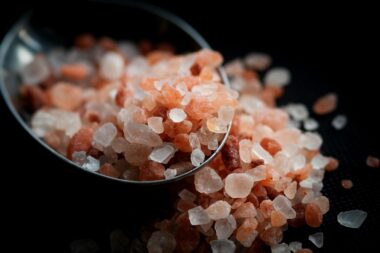
Another common misconception is that sea salt or pink Himalayan salt is healthier than regular table salt. In reality, the primary difference lies in their mineral content and processing methods. While sea salt and Himalayan salt may contain trace minerals, their sodium content remains similar to that of table salt. These exotic salts can often come with a higher price tag, leading to assumptions about their health benefits. It is crucial to understand that these salts still contribute to overall sodium intake. Using them can add flavor, but they should not be viewed as a healthier alternative in terms of sodium content. The health risks associated with high salt intake remain valid regardless of the salt type. Education around this topic can help consumers make informed decisions without relying on misconceptions. More focus should be placed on the overall dietary context rather than specific salt types. Engaging in conscious cooking choices and reading labels can guide healthier eating. This approach encourages better awareness of overall dietary sodium, helping individuals and families create balanced meals that support their health without unnecessary restrictions.
Myth: Low-Sodium Foods Are Always Healthier
Many people gravitate towards low-sodium versions of their favorite foods under the assumption that these options are inherently healthier. However, low-sodium foods can sometimes contain added sugars or unhealthy fats to compensate for the flavor loss caused by reduced salt. This substitution can lead to other health issues, defeating the purpose of choosing low-sodium options. It is essential to read nutrition labels and consider the overall ingredients in the food product rather than focusing solely on sodium levels. A balanced diet incorporates various foods, and occasionally consuming regular versions of products can provide satisfaction without excessive worry about sodium. Instead of daily low-sodium food reliance as a strategy, fostering a habit of moderation and variety will yield better results in the long run. Home cooking allows control over ingredient choices, enabling health-conscious individuals to maintain flavor while monitoring sodium intake more effectively. In addition, integrating flavorful herbs, spices, and citrus can lessen the reliance on salt during preparation, leading to pleasure-filled meals that don’t compromise health. Emphasizing fresh ingredients and cooking techniques can enhance both taste and wellness.
Another aspect that is often misunderstood is the impact of salt on athletes or those participating in intense physical activities. The myth suggests that athletes should minimize their salt intake to improve performance. In reality, opting for low-sodium meals can lead to detrimental effects on hydration and stamina. Salt plays a crucial role in maintaining electrolyte balance, especially during prolonged exercise. Athletes lose sodium through sweat, creating a greater need for replenishment post-activity. For those who train rigorously or compete, incorporating sodium back into their diets is vital. This can help prevent hyponatremia, a condition resulting from low sodium levels in the bloodstream. Thus, athletes and active individuals should focus on adequate sodium intake tailored to their activity levels and individual needs. Electrolyte-rich drinks or salty snacks can help restore that balance after working out. Nonetheless, understanding personal body signals and hydration strategies is critical. Discussing dietary needs with nutrition or fitness experts can encourage a positive relationship with salt, allowing for better performance and recovery during workouts. Seeking personalized advice ensures that athletes access the nutrition they require for optimal functioning.
Myth: Salt Causes Water Retention
The belief that consuming salt directly correlates with water retention is another widespread misunderstanding. While sodium can lead to temporary water retention, numerous other factors contribute to this phenomenon. Factors like carbohydrate intake, hormonal changes, and a person’s hydration status impact fluid balance more significantly. It is essential to contextualize sodium consumption within a broader dietary framework to avoid unnecessary worry. Chronic water retention might stem from various health issues, and often adjusting sodium intake alone will not address these root problems. A balanced intake of nutrients plays a pivotal role in maintaining overall health and mitigating undesirable effects. For most, consuming moderate salt levels does not result in significant or chronic water retention issues. However, if individuals notice regular bloating or discomfort, consulting with healthcare professionals can help identify personalized factors. They can consider hydration practices that suit individual needs, ensuring comfort. Focusing on balanced meals with adequate vegetables, proteins, and hydration can alleviate concerns regarding water retention. Emphasizing a wholesome approach to diet can promote wellness while reducing anxiety around salt intake. This equips individuals with better habits in managing their overall health.
Individuals often overlook how personal variations in salt tolerance can shape experiences and health. Genetic factors, activity levels, and hydration can lead to different needs for sodium intake. This individual variability means that general dietary recommendations may not fit everyone equally. Many people mistakenly adopt one-size-fits-all approaches when it comes to nutrition but fail to assess their specific requirements adequately. Listening to the body’s signals can provide valuable insights into how much salt is suitable for each person. Factors such as age, lifestyle, and existing health conditions should guide dietary choices. Engaging in regular health assessments can aid in maintaining appropriate sodium levels while enjoying a varied diet. Therefore, focusing on finding a personalized balance rather than adhering strictly to myths is advisable. Talking openly with nutrition professionals can create an opportunities for personalized discussions about sodium and overall health. Educating oneself about how individual bodies react to changes in salt intake can foster ownership over dietary practices. Ultimately, this approach promotes a more fulfilling relationship with food and health, steering clear of fear-based myths regarding salt consumption. Empowerment through knowledge can create satisfying, health-conscious choices.
Conclusion
In conclusion, navigating through the sea of myths surrounding salt intake requires both awareness and education. Misconceptions about salt can lead to unnecessary dietary restrictions that do not account for personal health needs. Understanding the truth about salt – its benefits, necessary intake, and role in maintaining overall health – is crucial. Engaging in conversations about salt and personal health with professionals can clarify confusion, allowing for informed choices. Rather than categorically banning salt from diets, individuals should focus on moderation and understanding their specific requirements. This approach is instrumental to health and wellness, leading to balanced meals that maintain flavor without unnecessary concern. Acknowledging that not all sodium sources affect health the same way can change how families approach food preparation. Cooking with a balance of herbs and spices, while being mindful of salt use, opens up a new realm of flavor while supporting health. Emphasizing the importance of maintaining an informed and balanced perspective encourages healthier lifestyles. Ultimately, education around salt and its multifaceted role within dietary practices can empower individuals, ensuring positive health outcomes and pleasurable eating experiences.