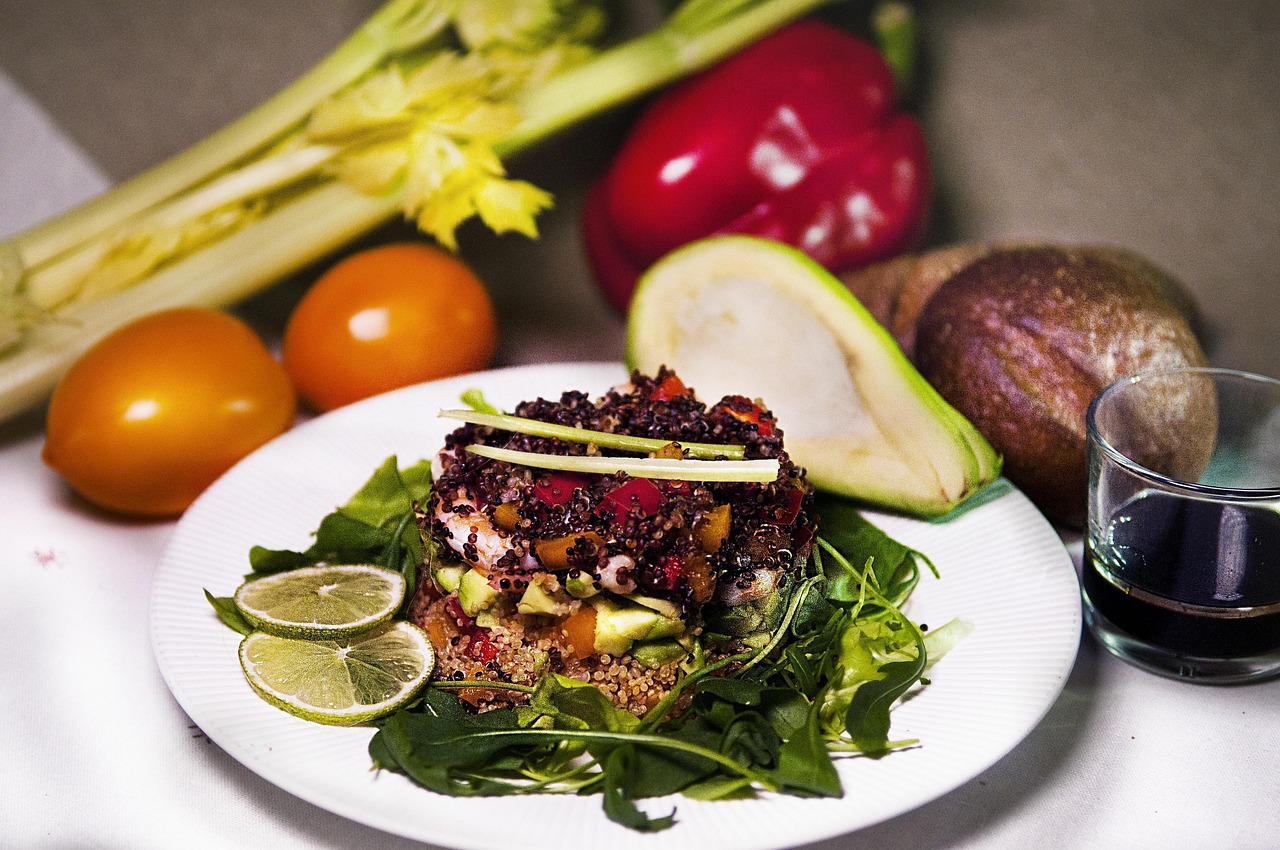

Delicious Dinner Recipes to Support Weight Management
Weight management is not solely about restriction; it is about making informed food choices that nourish your body. One way to ensure this is by preparing delicious dinner recipes that are both satisfying and low in calories. Opting for lean proteins such as chicken, fish, and plant-based options can enhance your meals while maintaining flavor. Incorporating vibrant vegetables not only improves nutrition but also adds color and texture. Experiment with spices and herbs to add depth to your dishes without extra calories. Simple yet flavorful sauces can be created using low-fat yogurt or homemade dressings to control the ingredients. Whole grains like quinoa, brown rice, or barley can serve as nutritious bases that keep you feeling full. Always consider portion sizes, as even healthy foods can contribute to caloric excess if overeaten. Stay hydrated by drinking plenty of water during meals. This can aid digestion and also help you feel satiated. Lastly, meal planning in advance can make healthy choices easier during busy weeknights.
Next, let’s explore several easy-to-make options. Here are some dinner recipes that fit perfectly into a weight management plan. Consider a grilled salmon dish with a side of quinoa and steamed broccoli. Simply season the salmon with lemon and herbs before grilling until flaked. Quinoa packs protein and fiber, while broccoli provides essential vitamins. Another recipe is a stir-fry with lean turkey, snap peas, bell peppers, and brown rice. The colorful vegetables add nutrients without excess calories and the turkey boosts protein intake. For a vegetarian option, consider a hearty lentil soup made with diced tomatoes, carrots, and spices. Lentils are filling and rich in fiber, making this meal both satisfying and nutritious. Additionally, roasted veggies tossed in olive oil and served with whole grain pasta can be an excellent centerpiece. Limit yourself to healthy fats, and using herbs for seasoning can bring out the rich flavors. Balanced meals can lead to sustained energy levels and prevent cravings throughout the evening.
Importance of Balanced Nutrition
Creating balanced meals is crucial for effective weight management. Incorporating the right ratio of macronutrients is key. Aim for protein, healthy fats, and complex carbohydrates. Such combinations help to regulate satiety signals within the body. For instance, combining grilled chicken (protein) with roasted sweet potatoes (carbs) and avocado (fat) can lead to a meal that keeps you full for longer periods. Pay close attention to nutritional information and serving sizes when preparing food. Using a food scale can help you accurately measure portions, leading to better weight management outcomes. Furthermore, understanding the nutritional value of each ingredient allows for educated decisions when substituting foods. If a meal feels scarce, adding more vegetables can bulk it up without adding excessive calories. This way, you not only enjoy larger portions but also benefit from increased nutrients. Also, don’t forget the role of nutritious snacks between meals; they can stave off hunger and prevent overeating during dinner. Healthy snacks can include fruits, nuts, or yogurt to bridge the gap.
Finally, let’s look at meal preparation strategies to help you maintain healthy eating habits. One effective method is batch cooking, where you prepare multiple servings of various recipes at once. This can save time and reduce temptations to indulge in less healthy options during busy nights. Meal prep containers can assist with keeping portions in check, and making the process efficient. Choose weekends or days off for meal preparation to ensure you have a healthy meal ready when you need it. Label each container with the date to track freshness. Additionally, try freezing leftovers for times when cooking from scratch is not feasible. Incorporating versatile ingredients in multiple recipes enables you to minimize waste and control costs. Keep in mind how spices and flavors can change a dish, creating variety in meals throughout the week. Maintaining interest in your meals can help sustain long-term healthy habits. Finally, always consider your preferences. Customize ingredients according to your tastes, ensuring that healthy eating remains enjoyable.
Simple One-Pan Recipes
One-pan recipes are perfect for quick, nutritious dinners during busy evenings. These recipes minimize prep time and dishwashing while maximizing flavor and nutrition. One such dish is a chicken and vegetable bake. Simply use diced chicken breast and toss with cherry tomatoes, zucchini, and a sprinkle of your favorite herbs and spices. Bake until chicken is cooked through and veggies are tender. This dish can be served with a side of brown rice or quinoa for a balanced meal. Another easy option is a shrimp stir-fry made in under 30 minutes. Lightly sauté shrimp with bell peppers and broccoli in a low-sodium soy sauce for flavor. Serve over cauliflower rice for a low-carb option. Vegetarian enthusiasts can try a chickpea curry, combining canned chickpeas, coconut milk, and spinach with traditional spices. This hearty dish is filling and full of healthy fats. All of these recipes emphasize the importance of quick, healthy dinners that support weight management goals without extensive cooking time.
Next, let’s talk about integrating seasonal ingredients into your dinner repertoire. Seasonal foods not only taste better but are often more affordable and nutrient-rich. In summer, enjoy zucchini and tomatoes grilled to perfection, or create a fresh gazpacho soup with ripe tomatoes. Fall brings flavorful squash options; try roasting butternut squash and serving it over quinoa for a nourishing dish. Winter vegetables, like Brussels sprouts and carrots, can be roasted with a bit of balsamic glaze. Spring offers vibrant asparagus and peas that can be lightly steamed or tossed in salads. Do not shy away from farmers’ markets or community-supported agriculture for fresh, seasonal produce. Not only do these options enhance flavor, but they often come without pesticides. Pairing these fresh ingredients with lean proteins creates balanced and fulfilling dinners. Adapt your meal plans to highlight what is locally available, as they will also yield delicious results. This practice encourages sustainable eating habits while allowing for variety in your dinner routines, making healthy eating an exciting adventure.
Conclusion: Enjoying Healthy Dinner Recipes
In conclusion, satisfying dinner recipes that support weight management are within your reach. With a focus on balanced nutrition, one-pan dishes, seasonal ingredients, and effective meal prep strategies, it’s feasible to enjoy delicious, healthy meals each night. By incorporating flavors and utilizing meal planning techniques, you can prevent falling into dull eating habits. Remember the importance of whole foods and staying hydrated. When preparing meals, pay attention to portions, magnifying the difference good nutrition can make to your overall health. Making simple substitutions and creating exciting dishes will lead to long-term success. Delicious recipes help maintain enthusiasm for healthy choices, guiding you on the path toward achieving your fitness goals. Always adapt recipes to your personal tastes to maximize enjoyment and satisfaction. Make cooking a joyful experience rather than a chore by involving friends and family. Share tips, try new recipes, and support each other. The journey of weight management can be delightful with the right recipes and positive mindset. Embrace the power of good food while enjoying the process of cooking, fueling your body well.
To enhance your healthy recipes experience, consider the importance of community and sharing your culinary adventures. Engaging with friends or joining local fitness and nutrition groups can motivate you to stay on track with weight management goals. Sharing personal recipes and enjoying communal cooking sessions fosters connections and enhances the enjoyment of healthy eating. Social media platforms allow you to discover new recipes and meet others who share a commitment to healthy living. Documenting your progress and creations might inspire others on similar journeys. Discovering other cultures through their healthy cuisines can broaden your culinary horizons. Try international recipes adapted to fit your nutritional needs while maintaining authenticity. Connecting globally through food highlights how diverse and delicious healthy cooking can be. Keep learning and experimenting with various ingredients, flavors, and cooking techniques. This curiosity can lead to healthier eating while making the process enjoyable and rewarding. Ultimately, healthy dinner recipes are an integral part of your wellness journey. Focusing on quality ingredients and meal creation quality will yield great results in both health and satisfaction.