
How to Combine Bodyweight Training Equipment for Maximum Results
Bodyweight training is a fantastic way to increase strength and improve fitness without the need for heavy weights. However, incorporating specific bodyweight training equipment can enhance your results significantly. These tools can help to add resistance, stability, and variety to your workouts. Begin by considering equipment such as resistance bands, suspension trainers, and push-up bars, which are all excellent additions. Resistance bands are versatile and easily adjustable. Suspension trainers allow for bodyweight exercises to be performed at different angles or suspension levels. They introduce instability to enhance muscle engagement. Push-up bars can help isolate the chest and triceps, providing a deeper range of motion for push-ups. By combining these items, you can create a well-rounded workout plan that targets different muscle groups effectively. It’s essential to select equipment that suits your fitness level. Focus on mastering basic bodyweight exercises first, then integrate equipment progressively. Using these tools intelligently can significantly maximize your gains and keep your workouts exciting. Remember to focus on quality over quantity during your sessions to achieve the best results possible.
The Importance of Resistance Bands
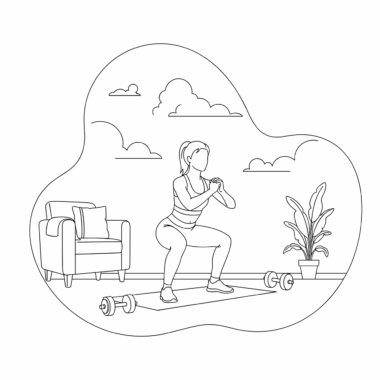
Resistance bands are one of the most essential pieces of bodyweight training equipment for as they add variable resistance to your workouts. They come in various thicknesses, offering different levels of resistance ideal for multiple fitness levels. You can use them for strength training, stretching, and rehabilitation exercises. Furthermore, they are incredibly portable, making it practical to integrate them into outdoor workouts or travel fitness. To get the most out of resistance bands, try incorporating them into classic bodyweight exercises like squats and lunges. For example, place a band under your feet while you squat, creating greater resistance as you rise. Another option is to use bands for modifying push-ups or pull-ups. By placing the band around your hips and anchoring it to a sturdy object, you can perform bodyweight exercises with added assistance. They effectively help in building strength over time and improving your overall performance. Experiment with bands of varying resistances to challenge your muscles in new ways. With consistent practice and the strategic use of these bands, you will notice strength improvements and increased muscle tone throughout your body.
Utilizing Suspension Trainers
Suspension trainers, like the popular TRX system, offer a unique way to elevate your bodyweight workouts. This equipment lets you leverage your body weight while modifying your body position to increase or decrease the workout’s intensity. They engage multiple muscle groups simultaneously, promoting core stability and strength. You can perform various exercises, such as rows, push-ups, and squats, with suspension trainers. They come with adjustable straps, making them ideal for anyone from beginners to advanced fitness enthusiasts. Additionally, suspension trainers can be used in a multitude of environments, whether at home, a gym, or outdoors. To maximize the benefit, start slow and focus on proper form. Ensure that your core remains engaged while using the suspension trainer to prevent injury. As you become more comfortable with the movements, challenge yourself by increasing the angle or adding in more dynamic movements. This approach leads to enhanced muscle recruitment, resulting in substantial fitness gains. Just remember to switch up your routine regularly. This keeps your body challenged, adjusting the exercises to improve your strength and overall body transformation.
Another vital piece of equipment to incorporate into your bodyweight training is push-up bars. These bars provide a stable, elevated surface to perform various push-up variations. The elevation allows for a deeper range of motion in each rep, engaging muscles more effectively, especially in the chest, shoulders, and triceps. This leads to better strength development in these areas compared to standard push-ups. To start, position the bars shoulder-width apart with your hands firmly gripping the handles. As you lower yourself, avoid sagging in your hips; maintain a straight line from your head to your feet for proper form. Incorporate various push-up styles using the bars, such as decline push-ups, staggered push-ups, or archer push-ups. To challenge yourself further, you can add stability balls beneath your feet or perform one-arm push-ups. Focus on maintaining control throughout your movements, ensuring muscle engagement at all times. Including push-up bars in your routine can revolutionize your upper body training. Just remember to allow adequate recovery time between sessions to promote muscle growth, enhancing the overall efficiency of your workouts.
Integrating Bodyweight Training with Free Weights
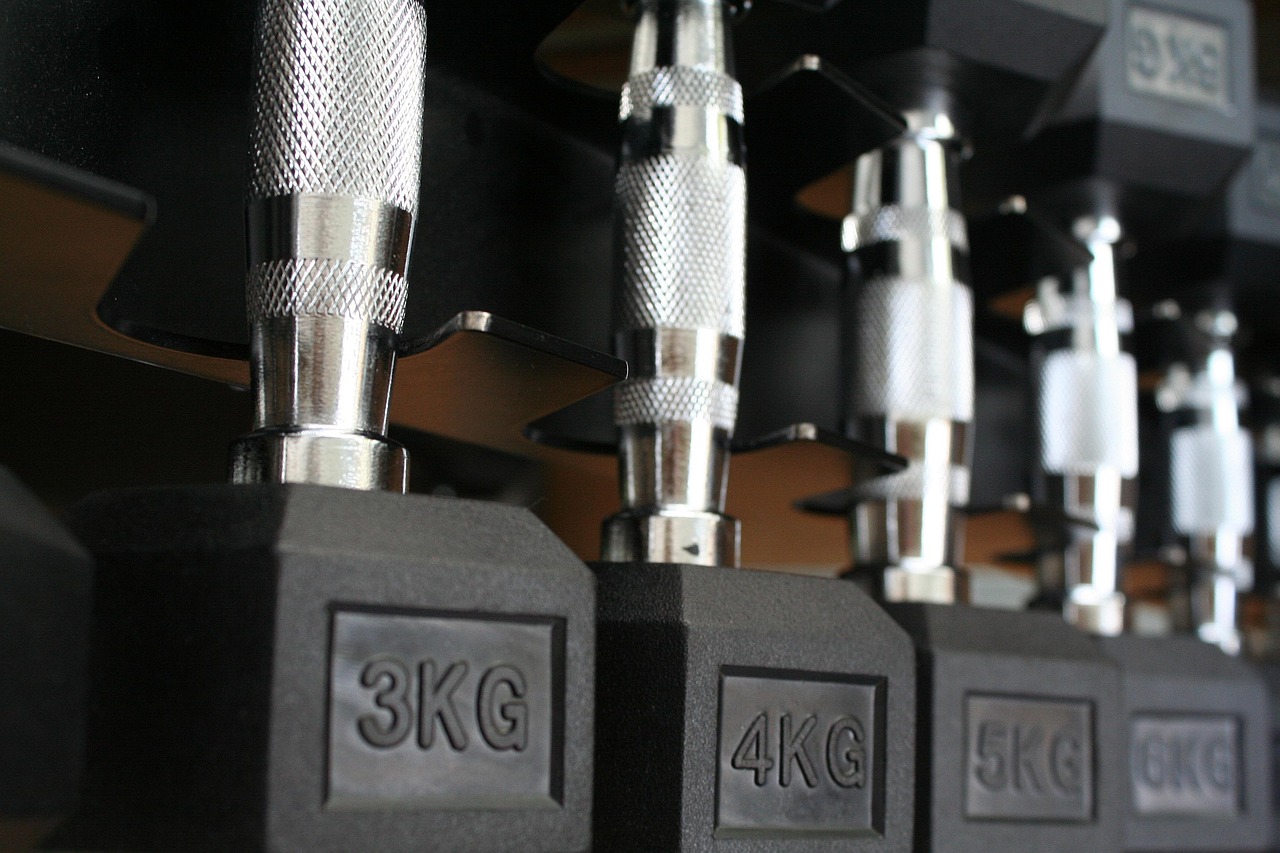
Incorporating free weights into your bodyweight training can yield incredible benefits and maximize your results. While bodyweight exercises build functional strength and endurance, adding free weights can enhance muscular hypertrophy and strength. Start by combining traditional bodyweight exercises with dumbbells or kettlebells. For instance, mix a squat with a shoulder press or a lunge with a bicep curl. These combinations help in developing muscular balance and strength throughout your entire body. Alternatively, perform bodyweight exercises like pull-ups or push-ups while holding a weighted vest or adding ankle weights. This added resistance can stimulate muscle growth and increase calorie burn during workouts. However, it’s crucial to maintain proper form when combining these elements to avoid injury and ensure the effectiveness of your sessions. Begin with lighter weights and gradually progress as your strength improves. This hybrid approach allows you to maximize your training outcomes, making your routines more challenging and varied. As you adapt to various exercises, you’ll undoubtedly see significant improvements in both strength and endurance, leading to a greater overall fitness level.
When combining bodyweight training equipment, consider creating a comprehensive workout schedule that incorporates rest days. Balancing your training is paramount to prevent overexertion while allowing for muscle recovery. Start with 2-3 days a week dedicated to strength-focused sessions using equipment and bodyweight exercises. During these sessions, cycle through exercises targeting different muscle groups. For instance, designate one day for upper body strength training, another for lower body, and another for core stability. This can include various forms of resistance training and plyometric exercises. On your rest days, engage in active recovery, such as hatha yoga, walking, or light stretching, to help rejuvenate your muscles. In addition, consider cardiovascular training to enhance overall fitness and conditioning. Integrating bodyweight training equipment into higher intensity cardio drills can be equally beneficial. These may include jump squats, burpees, or mountain climbers. Proper program structuring like this allows for adequate recovery and gradual improvement in strength and endurance. By mindfully approaching your workouts, you’ll create a routine that fosters long-term success and maximizes the effectiveness of your training effort.
A critical aspect of combining bodyweight training equipment effectively is setting realistic goals. Setting short-term and long-term goals will provide you with direction and motivation during your fitness journey. Short-term goals might be improving your form on specific exercises or increasing the number of repetitions performed. For example, if you struggle with doing push-ups, aim to increase your count gradually over a few weeks. Long-term goals often involve broader fitness objectives, such as completing a specific number of pull-ups or achieving a particular fitness level. Documenting your progress through a workout journal can help keep you accountable and motivated. Additionally, meeting milestones will give you a sense of accomplishment, boosting your confidence. Celebrate small victories along the way, reinforcing positive behavior. Don’t forget to also listen to your body. Adjust your workouts and goals as needed based on your performance and recovery. Staying flexible with your workout plans ensures consistent progression over time. Achieving these goals will ultimately lead to improved performance, greater strength, and increased overall fitness.
Final Thoughts on Bodyweight Training Equipment
In conclusion, the strategic combination of bodyweight training and various equipment can heighten your workout effectiveness, leading to substantial fitness improvements. By utilizing resistance bands, suspension trainers, and push-up bars, you’ll better target different muscle groups while maximizing your potential. Additionally, combining these elements thoughtfully allows you to create a well-rounded routine tailored to your personal fitness level and goals. Remember to integrate progressive overload into your workouts gradually, adapting exercises and adding resistance as you advance. This approach ensures continuous muscle growth and prevents plateauing. It’s equally important to schedule adequate rest and recovery to promote optimal performance in the long term. Through varied workouts, setting realistic benchmarks, and staying consistent, you can enjoy a rewarding and satisfying fitness journey. Always listen to your body and celebrate your progress along the way. Adjust your workout plans based on how you feel, and don’t hesitate to explore new exercises. The goal is to maintain excitement and motivation as you pursue your fitness journey, leading to meaningful results you can be proud of.