
Post-Pilates Meal Ideas to Maximize Recovery
After finishing a Pilates session, it’s crucial to nourish your body correctly. Eating the right kinds of foods ensures effective recovery. Incorporating protein into your meals helps to rebuild muscle tissues that were challenged during the workout. Well-balanced meals with carbohydrates aid in replenishing lost nutrients and energy as well. Consider a combination of whole grains, healthy fats, and plenty of fruits and vegetables. These elements support not just recovery but overall wellness. For example, something like a quinoa salad topped with grilled chicken provides necessary proteins and complex carbs. Pair it with some mixed greens to enhance your vitamin intake. To kickstart recovery, consuming a recovery smoothie can work wonders. Blend some spinach, banana, and almond milk with protein powder for a quick fix. You can also try adding some natural peanut butter for an extra energy boost and flavor. It’s essential to keep hydrated; thus, drinking water or electrolyte drinks post-workout assists in replacing fluids lost through sweat. Start by planning meals around your workout schedule to maximize the benefits of your nutrition strategy.
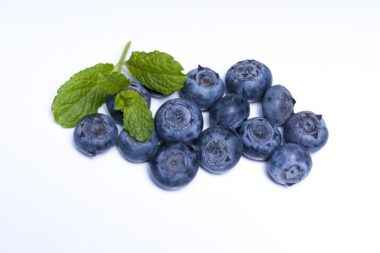
Fruits are fantastic options for post-Pilates recovery meals. Incorporating rich sources of vitamins and minerals can help immensely. Fruits like bananas, berries, and oranges are natural energy boosters. You can enjoy them as standalone snacks or integrated within other meals. For instance, a parfait made with Greek yogurt, layered with yogurt, nuts, and fresh fruits can provide a perfect combination of carbs and proteins. This meal helps with muscle recovery and delivers lasting energy. Consider preparing overnight oats by combining oats and almond milk topped with your favorite fruits. This meal is rich in fiber and keeps you full for longer while delivering essential nutrients. Smoothies can be improved further with an array of fruit options and seeds for added health benefits. Adding chia seeds or flaxseeds results in extra omega-3 fatty acids. You can include healthy fats to keep your energy levels steady throughout your day. For an even quicker option, fruit and nut bars offer a convenient grab-and-go solution filled with natural sugars and proteins. It’s wise to avoid heavy meals too soon after finishing your workout; keep it light to promote better digestion.
Balanced Post-Pilates Meals
Preparing balanced post-Pilates meals is essential to ensure effective recovery. Aim for a meal that includes a source of lean protein, carbohydrates, and healthy fats. One excellent option is grilled salmon, which is rich in omega-3 fatty acids and protein. Pair it with sweet potatoes and steamed broccoli for an additional nutrient boost. Sweet potatoes provide complex carbohydrates, which are crucial for replenishing energy. For another satisfying combo, consider turkey breast served with brown rice and mixed vegetables, which can offer similar recovery benefits. These meals not only support muscle repair but also keep you feeling energized. Another quick option is making a hearty soup. Experiment with different legumes, like lentils or chickpeas, that provide protein along with vegetables for fiber and vitamins. These can be prepared in advance for easy access after workouts. Don’t forget to add herbs and spices to increase nutritional value without excessive calories. Eating within the hour following your workout maximizes nutrient utilization. Pre-planning meals is an effective way to ensure you always have healthy options available for post-exercise nourishment.
Another great post-Pilates food option is hummus with whole grain crackers or vegetables. Hummus is a fantastic source of plant-based protein and fiber, making it suitable for recovery. Pair it with sliced veggies like carrots, cucumbers, or bell peppers for an added crunch. This combination not only satisfies your hunger but also fulfills your nutritional requirements post-exercise. Whole-grain crackers provide a more substantial source of carbohydrates to replenish your energy stores. This meal delivers hydration as well as vital nutrients in an enjoyable manner. When you’re in a hurry, consider wrapping sliced turkey or chicken in a whole-wheat tortilla with spinach and hummus for an easy-on-the-go meal. Smooth and nutritious options help fuel your body while providing the protein it needs for repair. Furthermore, including nuts and seeds in your snacks throughout the day can keep your nutrition on track. They are dense in healthy fats and are a quick source of energy. Always remember to listen to your body and adjust your food intake according to your intensity levels. This way, you will support your fitness journey with the proper nutrition.
Hydration and Supplementation
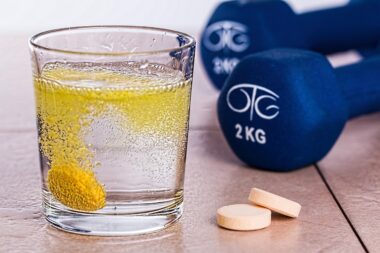
Staying hydrated is essential, particularly after a Pilates workout. Water is the best choice for hydration, helping to replenish lost fluids. However, sometimes added electrolytes can enhance recovery further, especially after intense sessions. Investigating options like coconut water or sports drinks can provide a balance of hydration and essential electrolytes. Additionally, if you find it hard to meet your protein needs through meals alone, consider using protein supplements. There is a variety of protein powders available based on your dietary preferences, whether it’s whey, soy, or pea protein. Including a scoop of protein powder in your post-workout smoothie can effectively promote muscle repair and recovery. Pay attention to your body’s feedback; if you feel fatigue or soreness, it may be time to adjust your nutrition strategy. Post-exercise snacks can include low-fat yogurt, which offers protein and probiotics to aid digestion. Finding a good routine ensures you recover effectively and supports your long-term fitness goals. Remember to balance your food intake with your workout regimen to see the best results and improvements.
Moreover, timing plays a significant role in post-Pilates nutrition. Consuming a meal or snack within 30 to 60 minutes after your workout is ideal for maximizing recovery potential. This period is when your muscles are most receptive to nutrients. Focus on quick digesting foods that are nutrient-dense. A simple smoothie can hit all nutritional requirements sweetly while being easily consumed. Combine fruits, spinach, protein powder, and a milk option to create an efficient recovery shake. Alternatively, if you prefer solid food, eggs mixed with vegetables can be another excellent choice for post-workout nourishment. Eggs are a whole protein option with rich nutrients like B vitamins necessary for energy metabolism. They can be easily made into an omelet or scrambled. Additionally, leftovers from dinner can serve as quick options as long as they are balanced. Think burrito bowls or stir-fries with grains, protein, and vegetables for perfect recovery meal choices. Adapt your meals based on personal preferences and ensure they align with your nutritional objectives to fully support your fitness journey.
Conclusion
As you can see, thoughtful post-Pilates nutrition is integral to your overall recovery process. Selecting the right meals ensures you rapidly restore energy and boost muscle repair after each workout. Focus on diverse food sources to retain adequate nutrients like proteins, carbohydrates, and healthy fats. Incorporate foods you enjoy to keep your diet sustainable and engaging. Try experimenting with different recipes or meal ideas to find what suits your palate. Maintaining hydration through appropriate drink choices is crucial after Pilates. By implementing balanced meals and optimizing timing, you can enhance your overall training results. Planning pre-and post-workout meals can help streamline this process by ensuring you have healthy options available at all times. Always remember to listen to your body and make adjustments when necessary to align with your fitness needs. Good nutrition is not about restriction but about nourishing yourself effectively to empower your Pilates practice and daily life activities. Maintaining a healthy lifestyle goes beyond workout sessions, extending into all facets of your day.
To summarize, recovering from Pilates requires an intentional approach to nutrition. Try to explore different food combinations while structuring your meals around your training sessions. Consistently tracking your intake will enable you to determine what works best for your individual requirements and energy levels. Prioritize whole foods, which are minimally processed, and maintain their natural state for the greatest nutritional benefits. Try new recipes, and don’t hesitate to let creativity shine through your cooking. Engaging with local health communities, such as classes or forums, can provide additional inspiration. Consider challenging yourself to prepare one new recipe each week to keep your meals exciting. Invest time in your health by educating yourself about nutrition and understanding the essential aspects of achieving optimal fitness performance. As you grow in your knowledge, you’ll provide your body with what it needs to thrive. Ultimately, successful recovery hinges on the synergy of exercise, nutrition, and rest, leading to an improved overall well-being and enhanced Pilates performance.