
Open Water Swimming Etiquette: Do’s and Don’ts
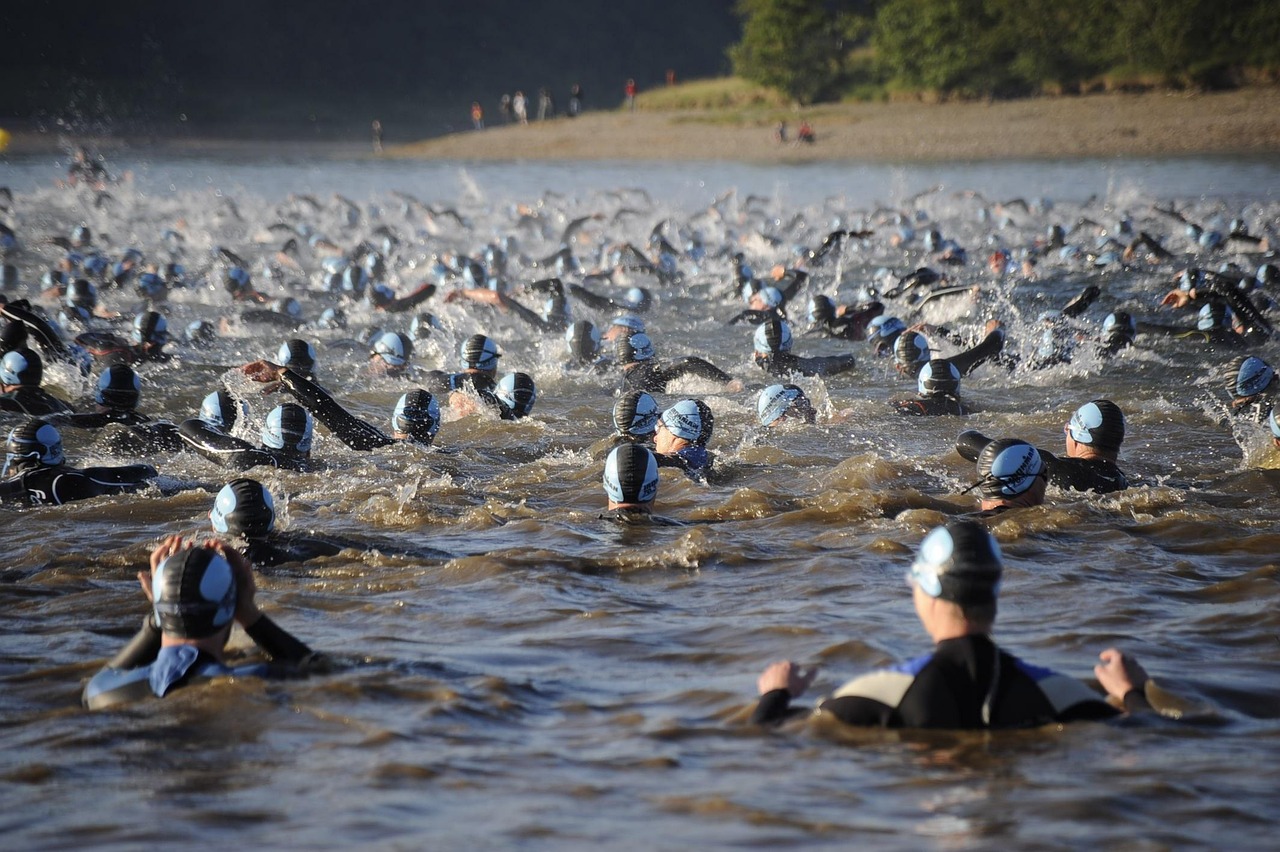
Open water swimming can be an exhilarating activity, but it does come with its own set of etiquette rules to ensure a safe and enjoyable experience for everyone involved. First and foremost, it is crucial to respect personal space while swimming. Maintain a reasonable distance from other swimmers unless it’s an emergency. When you’re swimming alongside others, always be aware of your surroundings. Keep an eye on swimmers near you to avoid unintentional collisions. Additionally, if you are swimming in a race, adhere to the designated lanes and follow any rules set by race organizers. This ensures that everyone has the space they need to swim effectively. Furthermore, communicate clearly with others, especially when passing. Consider using hand signals or voice cues to indicate your position. If you feel unsure, don’t hesitate to ask for help from nearby swimmers. Remember that everyone was a beginner at some point; kindness and courtesy go a long way. Lastly, make sure to wear bright swim caps whenever possible for visibility. This increases safety for you and for others around you, reducing the chance of accidents.
Be Mindful of the Environment
Protecting nature is paramount for open water swimming. As a swimmer, it’s important to become an advocate for the water environments you access. Always strive to leave no trace while swimming. This encompasses not only taking your personal belongings with you but also ensuring you do not disturb wildlife or the surrounding areas. Additionally, be cautious about your speed and any wakes you create. Larger wakes can disrupt marine life and irritate other swimmers. If you have to use sunscreen or other products, opt for eco-friendly solutions. These organic options are not harmful to aquatic ecosystems and contribute to overall water safety. Never swim near water disposal areas and be aware of local regulations regarding swimming areas. Ignoring regulations could jeopardize both safety and environmental quality. Always plan your swim with respect for local wildlife. Avoid areas where animals are known to nest or breed. Furthermore, never feed wildlife during your swimming outings, as this can lead to dependency and behavioral changes in animals. Ultimately, respect for the environment contributes to safer and more fulfilling outdoor aquatic experiences for everyone.
In addition to respecting the environment, keeping your swimming gear clean will maintain the integrity of the waterways. Always rinse your swim gear, including wetsuits, before and after use. This helps to prevent the transfer of pollutants or invasive species into new environments. It’s equally important to carry out any waste materials, including water bottles and energy gels. Many group swims or races have designated drop-off points for waste at the start and finish. However, don’t rely solely on these points. Taking personal responsibility for your waste reflects respect for the venues you enjoy. Make a habit of carrying a small bag to hold both personal belongings and waste until you find a proper disposal area. Swimming in open waters can sometimes lead to unplanned incidents, such as the need for a quick exit or the appearance of bad weather. Always have a plan for emergencies. Knowing the location of lifeguards or safety personnel helps in difficult situations, providing peace of mind. Make certain to be aware of local safety protocols when venturing out. Read and follow any posted guidelines, which are there to protect swimmers like you.
Safety in Numbers
Swimming alone in open waters can be dangerous; for this reason, it’s smart to swim in groups whenever possible. When you swim with others, you not only gain social interaction but also increased safety. In the event of trouble, having fellow swimmers nearby can make all the difference. Remember that it’s suitable to form groups based on similar skill levels; this way, everyone can enjoy the swim without feeling pressure. Never hesitate to communicate your feelings about the swim’s pace or conditions. If you’re uncomfortable or feel unsafe, voice your concerns. Encourage others in your group to express their worries as well. Before venturing out, establish an emergency plan with your group, ensuring everyone knows how to respond should an emergency arise. Regularly check on each other during the swim, especially if the conditions change. As conditions can differ rapidly in open waters, it’s vital to remain alert. If someone in your group appears to struggle, don’t hesitate to assist them. Showing support fosters a sense of camaraderie and enhances the overall enjoyment of the water experience.
Another vital aspect of open water swimming etiquette revolves around entering and exiting the water. Choose designated entry points to prevent trampling shoreline vegetation or disturbing wildlife habitats. When entering the water with multiple swimmers, try to avoid creating disturbances by choosing a spot that allows for smooth entry without splashing. When exiting, be mindful of fellow swimmers and avoid blocking pathways. Make your movements deliberate and awareness-driven to not unintentionally collide with anyone. Always remember to maintain control over your buoyancy aids or flotation devices to avoid accidents. If you’re using a buoy, always swim parallel to the shore rather than across, allowing for normal water activities to continue without disruption. Be aware of local boat traffic, especially if swimming in open water areas. Using reflective gear or brightly colored swim caps increases your visibility to passing boats. Moreover, be conscientious of the rights of other water users, including kayakers and paddleboarders sharing harmoniously in the same area. Open water etiquette isn’t solely about you; it’s about respecting every participant in the aquatic ecosystem.
Know Your Limits
Understanding your capabilities is vital when engaging in open water swimming. Swimming in non-pool settings varies significantly from traditional environments and pushes your skills to new limits. Begin with smaller distances and gradually increase them, ensuring you’re truly comfortable with the change. Overextending yourself can lead to panic or exhaustion, which can be dangerous. Take the time to gauge conditions such as temperatures, tides, and currents prior to your swim. When unsure of your strategy, consult experienced swimmers or local resources for insights into safe practices that work best in your chosen waterbody. Additionally, always monitor your physical condition; if you feel unwell, it’s wise to adjust your plans and take a break. Understand that taking frequent pauses during your swim for hydration or rest is an acceptable practice, especially on longer trips. Being aware of signs of fatigue is essential; listen to your body and never push beyond your current limits. Swimming should be an enjoyable endeavor. Establish personal goals that focus on enjoyment and safety, rather than competition. Embrace every mile as part of a fulfilling journey toward self-discovery in the water.
Lastly, maintaining sound communication can greatly improve your experience while open water swimming. As you swim with others, implement a system for addressing any issues that arise. Designate individuals to monitor the group or establish a buddy system. This dynamic ensures everyone stays accounted for during the swim. It’s also a good practice to establish meeting points both in the water and on land. Agreeing upon landmarks above or below the water allows for easy reconnection should individuals become separated. Moreover, when swimming in a group, remain attentive to both verbal and non-verbal cues from fellow swimmers. If someone appears to be in distress or needs assistance, encourage them to signal for help. You can introduce hand signals or code words that everyone understands, fostering an environment focused on safety and support. Lastly, post-swim debriefings are valuable; they allow for the exchange of experiences and tips for future swims. Reflecting together reinforces knowledge-sharing and camaraderie. This type of communication strengthens the swimming community and enhances understanding of collective experiences. Embracing these elements helps cultivate respect for open water swimming and lifts everyone’s spirits.