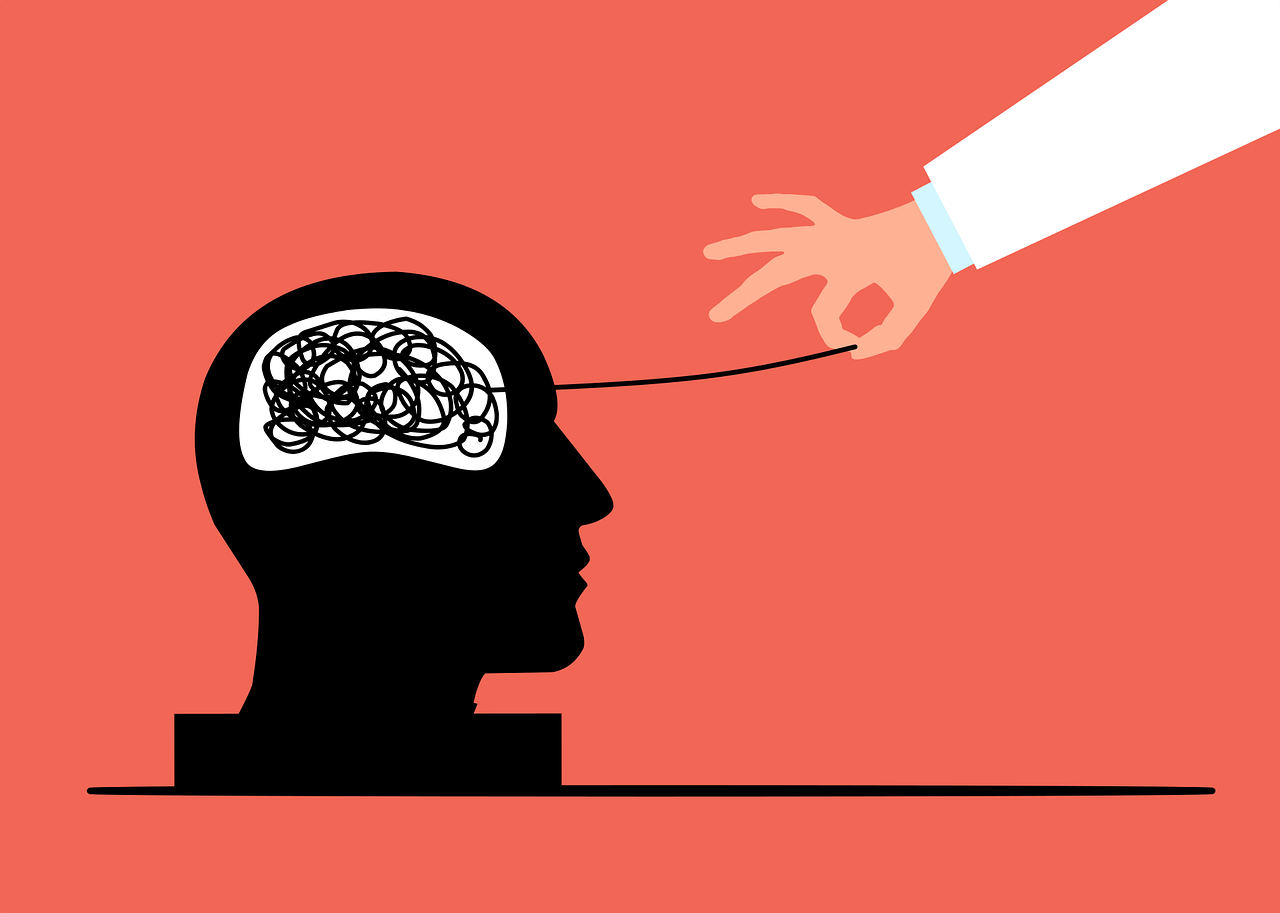

The Role of Social Support in Reducing Anxiety through Physical Fitness
Physical fitness has long been recognized as a significant contributor to overall mental health. Among the various strategies for improving mental health, social support within fitness programs has emerged as a crucial component. Participation in physical activities often fosters a sense of community, which can help in mitigating feelings of anxiety. When individuals engage in exercise together, they typically experience enhanced motivation and encouragement. This support network creates an environment where participants feel more comfortable sharing their experiences. As a result, they can reduce feelings of isolation and anxiety. Additionally, the social interaction that occurs during group fitness activities can lead to the development of friendships, which can provide additional emotional support over time. Not only does this environment promote a healthier lifestyle, but it also reinforces positive mental health practices among participants. When individuals feel supported in their quest for fitness, they can shed the weight of their worries more easily. Therefore, utilizing social support in fitness programs is an effective strategy for individuals seeking to combat anxiety and improve their overall emotional well-being.
Engaging in physical fitness alone can sometimes feel daunting and isolating, especially for those struggling with anxiety. However, group fitness programs provide an opportunity for social interaction, which can alleviate feelings of loneliness and fear. The camaraderie built among participants fosters a supportive atmosphere where individuals can bond over shared challenges and goals. This collective engagement naturally enhances motivation and encourages consistent participation. As newcomers feel welcomed, they often experience reduced anxiety, making fitness routines more approachable. The presence of others exercising encourages accountability, pushing participants to stay committed while providing reassurance. Moreover, these social bonds assist in framing exercise as a fun and enjoyable activity rather than a chore. For many, the perceived pressure of performance fades when surrounded by peers, allowing individuals to rediscover joy in physical activity. By transforming workouts into social events, anxiety may be diminished, leading to a more sustainable fitness practice. Creating connections through fitness not only helps participants achieve physical wellness but also nurtures mental resilience, ultimately resulting in improved emotional health.
Research indicates that social support can significantly enhance the mental benefits derived from physical exercise. Studies show that individuals who engage in group activities display lower levels of anxiety compared to those who exercise alone. Group fitness can involve diverse activities, from yoga and group runs to dance classes and team sports. The shared experience allows participants to develop coping strategies together, which can empower them to tackle personal challenges effectively. Furthermore, having friends or peers to work out with creates an encouraging environment where attendees cheer each other on during tough workouts. This collaborative effort can strengthen the psychological impact of fitness regimes by promoting a sense of belonging and acceptance. As individuals witness their peers pushing through challenges, they often feel inspired to do the same. Consequently, their own barriers start to break down, leading to a reduction in anxiety levels. Thus, integrating social support into fitness programs not only improves physical performance but also enhances emotional resilience, resulting in healthier coping mechanisms for anxiety-prone individuals.
The impact of social support extends beyond mere interaction; it encourages accountability. When individuals commit to engaging with others in fitness programs, they tend to stick to their exercise regimes more consistently. This contributes significantly to not just physical health but also healthier mental states by alleviating anxiety. By engaging in consistent physical activity with supportive peers, individuals can create a routine that functions as a pillar of strength against the pressures of daily life. Moreover, the social aspect of group fitness encourages participants to share their personal experiences related to anxiety and mental health. This exchange can normalize discussions around mental health, reducing stigma and fostering a culture of support. Evidence suggests that collaborative workouts can enhance emotional regulation, allowing participants to cope better when anxiety arises. The communal effort reinforces the understanding that others face similar struggles, cultivating a collective sense of resilience. Overall, the blend of social interaction and physical movement generates a holistic approach to managing anxiety, making fitness an essential tool for mental health.
Incorporating social support in fitness initiatives also plays a vital role in sustaining long-term engagement. Individuals are more likely to continue with their exercise programs when they feel a strong sense of belonging and acceptance within their groups. This connection fosters ongoing commitment, which is crucial for managing anxiety effectively. As personal relationships develop within fitness environments, participants often feel more secure in expressing their struggles with mental health. This openness encourages dialogue that can lead to targeted interventions and support strategies tailored to individual needs. Furthermore, these connections may evolve into friendships that transcend the fitness environment, providing additional support outside the activities. Encouraging participants to form these connections can significantly enhance the overall effectiveness of fitness programs in addressing anxiety. With dedicated support systems, individuals battling anxiety can discover new avenues for coping and healing. Over time, this social framework acts as an agent of change, facilitating personal growth and healthier lifestyles for everyone involved.
Moreover, the psychology behind social support in fitness is rooted in self-efficacy; when individuals feel supported, they are more likely to believe in their ability to achieve their fitness goals. This concept resonates with those who suffer from anxiety, as self-doubt often accompanies their struggles. Group environments enable members to celebrate each other’s successes, fostering a mindset of positivity and achievement. Additionally, fitness instructors can play a pivotal role in this dynamic by promoting inclusivity and engagement among participants. They serve as catalysts for creating supportive atmospheres that facilitate peer connection. Effective instruction creates a culture where individuals can experience growth in both body and mind. As group members evolve within their fitness journeys, they also develop coping mechanisms to help manage anxiety. These newly polished skills become essential tools for individuals, paving the way for resilience outside fitness contexts. Thus, promoting a sense of community in fitness programs significantly enhances individual adaptations to anxiety, enabling a holistic approach to health.
Finally, it is essential to recognize that incorporating social support into fitness initiatives requires mindful strategies to ensure effectiveness. Program planners should focus on fostering interactions that encourage trust and camaraderie among participants. Activities designed to promote teamwork, such as partner workouts or team challenges, can bridge the gap between individuals, enhancing their sense of belonging. Furthermore, creating a welcoming environment for diverse populations helps ensure that nobody feels left out. Evaluating the social dynamics of fitness programs can also provide insights into enhancing engagement and satisfaction among participants. Incorporating regular feedback from participants can help create tailored initiatives that truly resonate with their needs. Continuous improvement is essential, as the effectiveness of these programs can depend significantly on subtle adjustments to enhance community feeling. By understanding the psychological aspects at play, fitness programs can successfully harness the power of social support as a formidable ally in the ongoing battle against anxiety, ultimately leading to healthier, happier lives.
In conclusion, the role of social support in reducing anxiety through physical fitness cannot be overstated. From fostering connections to encouraging accountability, the power of community and collaboration in fitness programs provides invaluable benefits for individuals struggling with anxiety. Those who engage in group activities can experience heightened motivation and emotional resilience, transforming their relationship with fitness. The integration of social support not only improves physical health but also nurtures mental well-being, creating a supportive network where participants can thrive. Therefore, it is critical for fitness programs to embrace and enhance these social support mechanisms, ensuring that everyone involved has the opportunity to reap the numerous rewards. A strong community within fitness environments contributes to a holistic approach to health, ultimately leading to a brighter future for those battling anxiety. As individuals discover self-efficacy and emotional strength through shared experiences in fitness, the cycle of resilience continues, paving the way for improved mental health outcomes. With compassionate support, the prospects for managing anxiety become significantly better, making social engagement in fitness programs an essential element in this journey.