
Adaptive Sports and Fitness: Expanding Inclusive Opportunities
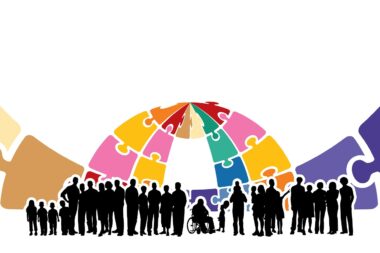
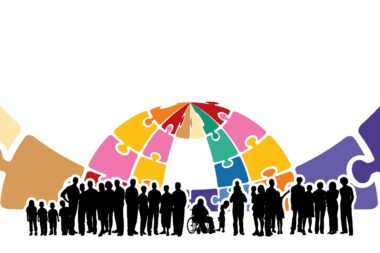
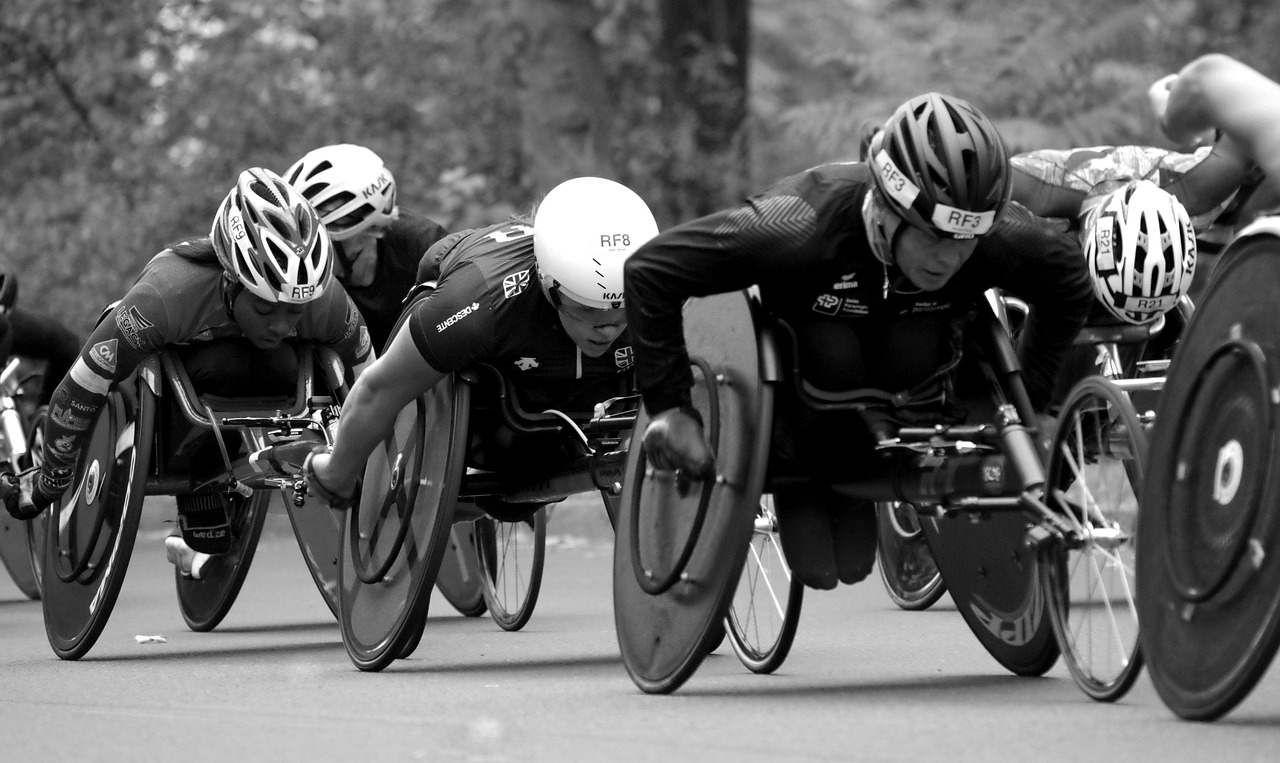
The fitness industry is witnessing a significant surge in inclusive fitness programs, particularly adaptive sports initiatives. These programs aim to provide opportunities for individuals with disabilities to engage in physical activities. Recent trends highlight the growing awareness of the need for inclusivity in fitness, as various organizations tailor their offerings to meet diverse needs. Innovative approaches are being adopted, such as specialized equipment designed for adaptive use. Facilities are also modifying spaces to accommodate different mobility requirements, ensuring everyone has access to fitness benefits. Involving the community is essential to fostering participation from underrepresented groups. Support from trained professionals is crucial to guide participants through safe and effective exercise routines. Programs that focus not only on physical health but also on mental well-being are gaining popularity, as they contribute to holistic fitness experiences. They promote social interactions, enhancing overall community engagement among participants. As societal attitudes shift, traditional barriers are being dismantled, paving the way for athletes with disabilities. This transformation signals a promising future where inclusive fitness becomes a standard practice across gyms and sports clubs worldwide.
Adaptive sports programs have become a vital component of the fitness landscape, offering people with disabilities an opportunity to participate fully. These initiatives not only help improve physical health but also foster social connections. By bringing people together in a supportive environment, adaptive sports programs encourage friendships and teamwork among participants. Organizations often partner with local fitness centers, schools, and community groups to create inclusive environments. Accessible facilities are crucial in these partnerships, providing ramps, wider doorways, and specialized equipment to ensure everyone can easily engage. Additionally, certified trainers play a key role in these settings, offering tailored guidance and support. They help individuals with unique needs find the right activities and intensity levels suited to their capabilities. Financial assistance or scholarships are often available to help families engage in adaptive sports programs. These efforts focus on eliminating economic barriers, allowing greater participation among those who might otherwise be unable to afford the fees. Ultimately, the growth of adaptive sports reflects a broader societal commitment towards inclusivity, heralding a new era of participation in fitness for everyone, regardless of ability.
Benefits of Adaptive Fitness Programs
Adaptive fitness programs offer numerous benefits that extend beyond physical health. For individuals with disabilities, these programs promote enhanced self-esteem, confidence, and reliance among participants. By participating in physical activities, individuals often discover new strengths and develop skills that improve their daily lives. The camaraderie formed in these groups is invaluable, as participants can share their experiences and motivate each other. Research suggests that regular exercise helps reduce anxiety and stress, which is particularly relevant for those facing various life challenges. It enhances mood and fosters emotional resilience, critical components for overall health. Furthermore, these programs emphasize personalized approaches that cater to individual needs, ensuring every participant can progress at their pace. Nutrition education often accompanies these fitness programs, promoting a holistic understanding of health and wellness. As awareness about fitness accessibility grows, more communities are likely to invest in developing adaptive fitness programs. As a result, individuals of all abilities will have the opportunity to lead active and fulfilling lives. This progress can encourage a more inclusive society, breaking down physical, social, and mental barriers that have long existed.
As technology continues to evolve, adaptive fitness also benefits from innovative advancements. Wearable fitness technology is now accessible for individuals with disabilities, enabling them to track their progress. Smartwatches, fitness trackers, and mobile apps designed for accessibility purposes play a crucial role in goal setting and versatile training. Virtual fitness platforms have emerged, connecting participants to trainers and resources from the comfort of their homes. This adaptation enhances accessibility for those with transportation challenges or time constraints. Moreover, social media has become a powerful tool for individuals to share their journeys, inspiring others to join adaptive sports or fitness initiatives. Success stories and testimonials often motivate new participants to take that first step. Some organizations host virtual competitions and fitness challenges, promoting inclusivity and engagement across different regions. Events are designed to celebrate achievements, regardless of level, ensuring everyone feels valued and appreciated in their efforts. It’s clear that technology plays a significant role in expanding opportunities for individuals with disabilities, bridging gaps that once existed within the fitness industry. This integration marks a valuable step towards achieving wider acceptance and understanding of adaptive fitness programs.
Community Support and Engagement
Community support is a cornerstone of successful adaptive sports and fitness programs. Local organizations, volunteers, and family members often come together to foster a welcoming environment. Participation is enhanced through events that highlight the importance of inclusivity within the community. Workshops and demonstrations allow families to understand better what adaptive fitness entails, encouraging them to engage directly. Additionally, inviting local businesses to sponsor events can lead to increased resources and greater awareness. Partnerships often provide access to funds, equipment, and volunteer networks crucial for program sustainability. Creating a calendar of events will keep the community engaged, ensuring ongoing participation. Seasonal activities offer variety, attracting interest while also keeping participants motivated. Advocacy groups work tirelessly to promote the benefits of fitness for everyone, leading to community recognition of adaptive programs. Highlighting personal stories from participants can reshape perceptions, leading to a more accepting environment. This message is crucial, as it empowers individuals with disabilities while also educating the wider public. Community engagement fosters continued growth, the key to the longevity and success of inclusive fitness initiatives in any area.
In addition to promoting participation, adaptive sports programs can enhance community health by fostering acceptance and understanding. When individuals observe their peers engaged in adaptive fitness, it challenges stereotypes and misconceptions around disabilities. This exposure can lead to greater advocacy and support for policies that promote inclusivity in various domains. Schools and educational institutions are increasingly incorporating adaptive sports into their curricula, raising awareness and driving change among younger generations. Educators are recognizing that inclusive activities benefit all students, nurturing cooperation and empathy in diverse environments. This serves to break down traditional barriers that exist between those with and without disabilities. Collaboration among various sectors, such as schools, local governments, and non-profits, can amplify the reach of adaptive fitness programs. Creating outreach initiatives ensures that the message of inclusivity extends beyond fitness facilities, penetrating all facets of community life. Ultimately, fostering a culture that values physical activities for everyone will lead to broader societal transformations. Building inclusive communities positively impacts the lives of individuals with disabilities while enriching the overall experience for everyone involved. Together, these efforts can create a legacy of inclusivity.
Conclusion: The Future of Inclusive Fitness
The future of inclusive fitness appears bright, as adaptive sports and fitness programs continue to expand. Recognizing the benefits of physical activity, more organizations are making conscious efforts to create opportunities for everyone. Advocacy for individuals with disabilities has transformed conversations around fitness access and program design. There is now an increasing understanding that fitness goals should cater to all bodies, beyond traditional approaches. As inclusive programs gain traction in the mainstream fitness community, we see a shift toward more accommodating practices. This shift not only helps participants improve their physical health but also cultivates self-confidence and agency. We anticipate further innovations in adaptive fitness technology and programs that will enhance training experiences for participants. Continuous research, collaboration, and advocacy will play essential roles in sustaining this momentum. Engaging new generations in adaptive programs will ensure that inclusivity thrives in the fitness world. Cultural shifts that celebrate diversity will underscore the importance of planning inclusive initiatives in schools and communities alike. The goal is clear: fitness should be a space that welcomes everyone, regardless of ability or background, creating empowered individuals who contribute positively to society.
As the fitness industry evolves, adaptive sports will play an integral role in shaping a diverse landscape. Collaboration among various stakeholders, including fitness professionals and advocacy groups, will determine how inclusive programs develop. The deepening commitment to inclusivity reflects societal changes that focus on recognizing everyone’s worth. As communities rally around adaptive sports, the potential for increased funding and resources grows, paving the way for more accessible fitness opportunities. Experiencing firsthand the benefits of physical activity will drive sustained engagement and investment in ongoing initiatives. This collaborative spirit is essential, as diverse voices contribute to creating effective programs. The involvement of people with disabilities in program design is vital, ensuring that their perspectives and needs are understood and prioritized. Promoting inclusive fitness is not just a trend—it’s a movement towards an equitable future. Ultimately, the true success of adaptive sports and fitness programs will lie in their ability to foster community connections that reach beyond the gym. By supporting diverse initiatives, individuals create spaces where everyone feels valued, respected, and empowered. The momentum generated by adaptive fitness can lead to lasting societal change, ultimately creating inclusive environments for everyone.