
How Fitness Challenges Influence Industry Equipment and Apparel
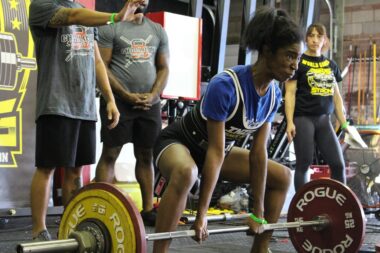
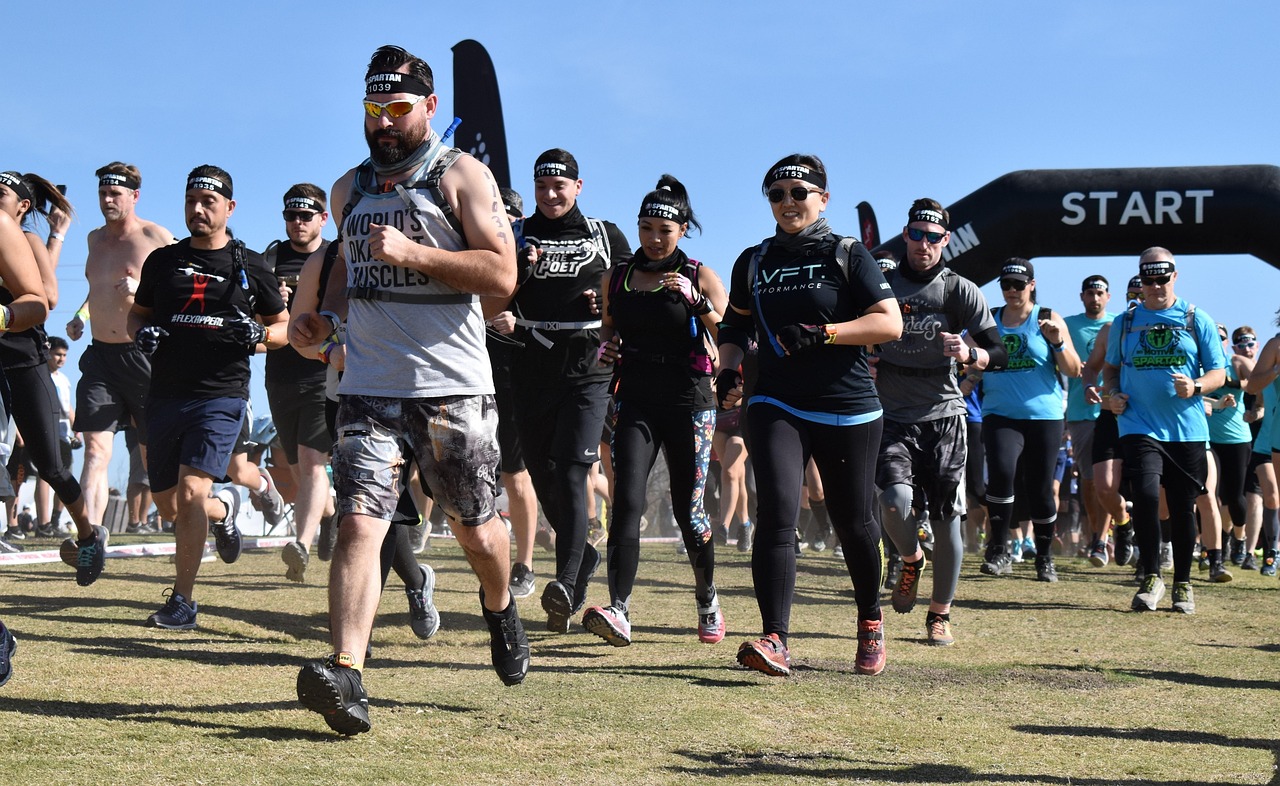
Fitness challenges and competitions have become more popular in recent years, driving significant trends within the fitness industry. These events often require specific equipment and suitable apparel designed to enhance performance while ensuring user safety. For instance, fitness challenges necessitate high-quality footwear that delivers comfort, support, and stability. As a result, manufacturers innovate frequently to meet these new demands. Apparel makers have similarly focused on creating breathable, moisture-wicking fabrics that help competitors perform optimally, pushing technological boundaries. The need for durable and functional clothing continues to grow, impacting production methods and material choices. Many companies now prioritize sustainable materials to appeal to environmentally conscious consumers. Additionally, smart accessories, like fitness trackers, have gained traction, enabling participants to monitor their progress during events. Advancements in technology have played a pivotal role in redefining standard equipment features. Many fitness competitions require specific gear that meets regulatory standards, compelling manufacturers to comply to gain market share. This trend reflects an evolving landscape as companies aim to cultivate loyalty among engaged fitness enthusiasts seeking challenges.
Fitness challenges have emerged as a vital avenue for brands to engage with consumers, fostering target-oriented marketing strategies to capitalize on this trend. By promoting specific equipment and apparel suited for these events, companies can address nuanced consumer needs driven by competitive spirit. Sponsorship and branding during competitions have become instrumental for many businesses. Visibility during these events fosters brand recognition, as audiences become increasingly aware of specific products. Marketing campaigns frequently utilize social media to highlight their gear’s effectiveness and appeal significantly to both current and potential customers. Influencers within the fitness sphere also play a crucial role, showcasing reputable brands through live demonstrations and reviews. As competition fuels innovation, brands must adopt and implement cutting-edge designs and features. The dynamic interplay between competition, marketing, and design drives benefits for the entire industry ecosystem. Companies should also consider trends in consumer preferences when developing new products. Engaging directly with athletes during the design phase ensures that emerging equipment meets the practical needs of users. This collaboration results in products that enhance performance and accountability in product claims.
Technological Advancements in Fitness Equipment
One key area where fitness challenges have revealed trends is in the evolution of fitness equipment technology. With the integration of technology into athletic gear, companies are increasingly offering innovative solutions aimed at performance enhancement during competitions. Equipment is now often designed with built-in sensors to provide real-time biometric data, improving training outcomes for competitors. This data-driven approach enhances not just individual performance but also helps maximize competitive experiences. For example, smart weights can adjust resistance based on personal assessments, while digital platforms provide athletes with tailored workout regimens. Wearable technology designers continuously innovate to ensure their products can track progress accurately and offer personalized insights. Additionally, augmented reality and virtual reality experiences are beginning to influence training sessions, allowing participants to simulate competitive scenarios. This immersive experience not only enhances physical conditioning but also engages the mind, elevating overall fitness performance. Moreover, these devices often include features that connect to fitness challenges on social platforms, motivating users through social sharing. As technology becomes indispensable, traditional equipment manufacturers must adapt to their evolving landscape to meet growing consumer demands.
When it comes to apparel, the impact of fitness challenges has led to a significant focus on performance-driven clothing that enhances comfort and contributes to athlete confidence. Gone are the days of heavy cotton tees and shorts; modern materials now consist of lightweight, stretchable blends that allow for greater mobility. Brands produce collections featuring ergonomic designs, ensuring that wearers achieve maximum range of motion during intense competition. Enhanced ventilation and moisture control are integrated into garments to provide a comfortable fit during physical exertion. Functional aspects in pockets and reflective elements are now considered essential for safety and practicality. As competitions continue, manufacturers have taken notice of consumers’ preferences for stylish yet functional options. Athletes want apparel that reflects their personal branding and achievements, creating a need for customizable options that deliver on both aesthetics and functionality. High-performance activewear now frequently embodies artistic design, appealing visually to broader audiences. As competition becomes more about personal expression, equipment and apparel choices elevate from mere functionality to essential elements of an athlete’s identity.
Community Engagement and Brand Loyalty
The role of community engagement in fitness challenges cannot be overlooked, as it shapes consumer perceptions of brands involved. Many companies strategically sponsor competitions as a way to forge deep connections with fitness enthusiasts. Engaging in supportive communities helps athletes feel valued, encouraging loyalty to specific brands. This goes beyond product offerings; it also involves participating in local events and organizing training workshops. By being directly involved in grassroots initiatives, brands showcase their commitment to the fitness lifestyle. Engaged consumers are more likely to promote products within their networks, creating organic marketing opportunities. As participants share their fitness journeys through social media, they spread awareness and build credibility for endorsed products. Brands can leverage user-generated content to create powerful stories that attract new customers. Competition participants often become influential advocates for brands, serving as testimonials to product quality and effectiveness. Ensuring that athletes have positive experiences with products is vital for sustained loyalty. Building a brand community that emphasizes support, motivation, and shared achievements fosters strong relationships that positively impact growth and competitive frequency across various segments.
As the landscape of fitness challenges evolves, industry stakeholders must prioritize feedback from participants and buyers to tailor products effectively. Consumer insights are crucial in shaping equipment development and design choices. Brands using surveys and focus groups gain valuable perspectives that lead to meaningful innovations. For example, competitors’ experiences reveal areas where current equipment or apparel may fall short. Addressing these insights ensures products stay relevant to the target audience’s needs while capturing their expectations. As performance metrics and environmental consciousness rise, embracing sustainability becomes essential. Companies that focus on eco-friendly materials and practices enhance their appeal to discerning consumers who favor brands with responsible values. Integrating recycled fabric options has become a common trend within the industry, preserving resources while maintaining quality. Collaborating with sustainability experts can lead to groundbreaking developments that resonate with ethical consumers. The feedback loop between competitors and manufacturers fuels progress, guiding the design of future equipment, apparel, and technology to keep pace with evolving market demands. This iterative process is fundamental to ensuring continued relevance in an ever-changing fitness environment, making adaptation vital for success.
Conclusion: Preparing for Future Trends
To remain competitive, fitness brands must stay ahead of trends emerging from fitness challenges and competitions. Adapting to shifting consumer expectations ensures that companies thrive in a crowded market. As interest in unique fitness journeys grows, innovations in training experiences, equipment, and fashion aesthetics will continue to shape industry dynamics. Brands embracing comprehensive approaches in design, technology, and community engagement possess a unique advantage. Future fitness apparel may emphasize versatility, allowing wearers to transition seamlessly between training and casual settings. This shift reflects changing lifestyles that prioritize multi-functionality in daily attire. In addition, the importance of personalized experiences will rise, as technology allows customization options to cater to individual needs. Companies that capitalize on these insights can create lasting connections within the fitness community. Proactive responses to market demands pave the way for loyal customers; ongoing brand interest will drive sales. As fitness challenges keep energizing the industry, attendees will look to venture into new activities, prompting continual innovation. Striving for excellence across all aspects of product offerings supports sustained relevance, ensuring that brands aren’t just participants but leaders in this vibrant field.
As the fitness industry continues to evolve, it is clear that challenges and competitions create profound implications for equipment and apparel. Companies that align closely with these trends can capitalize on growth opportunities while remaining relevant to today’s consumer market.