
The Role of Exercise in Managing Sleep-Related Anxiety
Sleep-related anxiety affects many individuals, often leading to chronic insomnia and various mental health issues. Engaging in regular physical activity proves beneficial for combating this anxiety and enhancing overall sleep quality. Various studies support the assertion that exercise helps to reduce symptoms of anxiety by promoting physiological changes in the body. These include increased production of endorphins, which are known to improve mood. Additionally, when individuals engage in physical activity, they tend to feel more relaxed, contributing to improved sleep patterns. Exercise also reduces levels of cortisol, a hormone associated with stress, further facilitating better sleep. However, the timing and type of exercise can significantly influence outcomes. For optimal benefits, experts recommend moderate aerobic exercises, such as running or cycling, performed at least thirty minutes a day. Incorporating strength training or flexibility exercises, like yoga, can also enhance the overall effectiveness of your routine. The key is to find enjoyable forms of exercise that increase motivation and consistency in practice. Thus, creating a personalized exercise regimen can be a powerful tool in reducing sleep-related anxiety, ensuring a more restful night’s sleep.
Moreover, the relationship between exercise and sleep is a complex interplay of biological, psychological, and environmental factors. Regular physical activity can effectively improve sleep quality, allowing deeper and more restorative sleep cycles. Research suggests that engaging in aerobic exercises, in particular, may help individuals fall asleep faster and stay asleep longer. This is primarily due to temperature regulation during exercise; body temperature needs to drop for sleep onset. Additionally, those who exercise consistently report feeling less fatigued throughout the day, which can further alleviate feelings of anxiety when nighttime approaches. It is also important to highlight that moderate exercise possesses sleep-inducing benefits without the potential side effects associated with medications. Some studies indicate that individuals who struggle with insomnia experience significant improvements in sleep duration and quality through consistent exercise. Furthermore, combining physical activity with other relaxation techniques such as meditation or deep breathing can amplify the calming effects before bedtime. By proactively managing anxiety through exercise, individuals can develop healthier sleep behaviors, leading to long-term changes in their sleep patterns and overall mental health.
Types of Exercises Beneficial for Improving Sleep
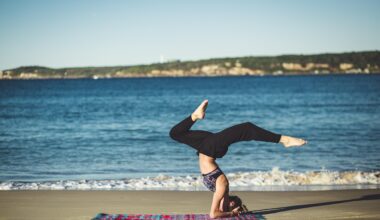
In exploring the types of exercises that facilitate better sleep, it is vital to distinguish between high-intensity workouts and low-impact activities. High-intensity exercises, such as running or aerobics, often lead to heightened adrenaline levels that may cause increased restlessness when performed too close to bedtime. On the other hand, activities like yoga or tai chi offer gentle movement and relaxation techniques conducive to sleep. Studies illustrate that engaging in yoga promotes mindfulness while reducing cortisol levels, making it a preferred choice for anxiety relief. It encourages practitioners to focus on breath control and body awareness, which can prepare the mind for sleep. Furthermore, low-impact activities such as walking or swimming can also contribute positively. It is essential to assess personal preferences and capabilities, tailoring a routine that aligns with individual needs. Consistency is key to unlocking the numerous benefits offered by these exercises. Therefore, focusing on a balanced mix of both aerobic and strength-training activities along with flexibility-focused practices assures comprehensive support for improving sleep quality and managing sleep-related anxiety.
Engaging in regular exercise influences not just sleep quality, but overall psychological well-being, making it a valuable practice for those facing anxiety. Moreover, as individuals exercise, they are often distracted from their anxious thoughts, which can be a positive psychological benefit. Team sports or group fitness classes can foster social connections and community, further alleviating feelings of isolation common among those struggling with sleep-related anxiety. This sense of belonging associated with group activities produces uplifting mood effects, promoting emotional resilience. Additionally, outdoor exercises, such as hiking, can enhance the benefits through exposure to natural daylight, which has positive implications for regulating circadian rhythms. Exposure to sunlight also provides much-needed Vitamin D, crucial for mental health and well-being. Incorporating these environmental aspects into an exercise routine can yield a holistic approach to managing anxiety. As you combine various types of activities and social engagement, the potential benefits amplify. Therefore, finding a supportive network to share your fitness journey can motivate continued participation, resulting in improved sleep habits and decreased anxiety levels over time.
Scientific Research Supporting Exercise’s Role in Sleep
Scientific research provides a clear foundation for understanding the role of exercise in managing sleep-related anxiety. Numerous studies indicate a strong correlation between exercise and improved sleep architecture, leading to enhanced overall health. A study published in JAMA Internal Medicine found that individuals participating in consistent moderate to vigorous activities reported significantly better sleep quality. Another investigation highlighted that even a single session of exercise can significantly improve sleep patterns. Researchers have concluded that engaging in physical activity positively influences both the duration of sleep and the ability to fall asleep swiftly. These outcomes are largely attributed to the body’s regulation of melatonin, a hormone critical for sleep onset and maintenance. Furthermore, exercise encourages brain activity towards developing greater emotional regulation, allowing for improved cognitive function that can mitigate anxiety symptoms. This bidirectional relationship implies that not only does exercise improve sleep, but better sleep encourages individuals to maintain an active lifestyle, creating a robust cycle of health benefits. Hence, reinforcing exercise as a cornerstone in managing sleep-related anxiety is supported by a wealth of scientific evidence, emphasizing its importance in comprehensive treatment strategies.
When incorporating exercise into a daily routine, it is paramount to set realistic goals and understand individual limitations. Developing a feasible exercise plan tailored to personal preferences can significantly enhance adherence and enjoyment. Begin with achievable steps, gradually increasing intensity and duration over time. Utilizing technology, such as fitness apps or wearable devices, can help track progress and offer motivation for continued efforts. Engaging friends or family members in physical activities may foster accountability and create an enjoyable experience. Regular check-ins regarding exercise goals can help maintain momentum while respecting the body’s response to physical activity. It is equally essential to pay attention to the body’s cues, ensuring proper recovery periods and preventing potential injuries. Balancing rest and activity is incredibly important for those experiencing sleep-related anxiety, as fatigue can exacerbate symptoms. By promoting a sustainable routine aligned with personal preferences, individuals can more likely remain committed to their exercise regimens. Therefore, fostering an encouraging environment allows for greater success in managing anxiety and optimizing sleep quality long-term. With persistence and awareness, anyone can harness the power of exercise to improve overall well-being.
Conclusion: Embracing Exercise for Better Sleep and Mental Health
In summary, exercise emerges as a potent tool for managing sleep-related anxiety effectively. The multifaceted approach of incorporating various physical activities promotes emotional regulation, reduces cortisol levels, and fosters social connections that easing anxiety symptoms. By understanding how exercise influences both physiological and psychological aspects of sleep quality, individuals can take proactive steps toward achieving restorative sleep. Personalizing exercise routines ensures greater enjoyment and adherence, contributing to a sustainable practice. The benefits of exercise extend beyond alleviating anxiety; they have the potential to enhance overall mental health, resilience, and well-being. As awareness continues to grow regarding the relationship between physical activity and sleep, more individuals are encouraged to prioritize daily exercise for holistic health. Combining scientific research with personal insights allows everyone to craft an individualized journey towards improved sleep and diminished anxiety. Therefore, embracing exercise isn’t merely a means to physical fitness; it serves as a cornerstone for mental and emotional stability, empowering individuals to take control of their sleep and anxiety challenges. Commit to physical activity today, and witness the transformative effects on overall health and quality of life.
In conclusion, understanding the connection between exercise and sleep-related anxiety opens doors to healthier lifestyles. Individuals experiencing heightened anxiety can benefit immensely by integrating physical activity into their daily routines. The rejuvenating effects of exercise profoundly impact sleep quality while developing strategies for managing anxiety. By investing time in regular physical activity, everyone can cultivate better sleep patterns and overall mental health. This journey towards improved sleep is a commendable venture towards well-being.