
The Impact of Functional Training on Muscle Flexibility and Strength
Functional training has gained immense popularity as an effective method to enhance muscle flexibility and strength. By utilizing exercises that mimic everyday activities, individuals can develop overall muscle coordination and power. This approach differs from traditional strength training, focusing more on how muscles work together rather than in isolation. Improved flexibility is key, enabling joints to move actively through their range while reducing the risk of injury. Moreover, functional training often incorporates compound movements, which engage multiple muscle groups simultaneously. For instance, exercises like squats and lunges not only build strength but also enhance balance and stability. These benefits make functional training essential for athletes and everyday individuals alike, ensuring their bodies perform optimally in various tasks. Research supports the idea that enhanced muscle flexibility through functional training can lead to improvements in overall athletic performance. Furthermore, it can facilitate faster recovery post-exercise, alleviating muscle soreness effectively. Overall, incorporating functional training into one’s regimen can lead to significant improvements not just in flexibility but also in overall functional strength for daily life.
Understanding Functional Training
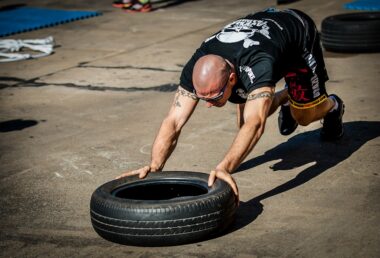
To comprehend the impact of functional training, it is essential to recognize what constitutes such training. Functional training typically focuses on exercises that enhance a person’s ability to perform daily tasks with greater ease. By emphasizing movement patterns commonly used in real life, including pushing, pulling, squatting, and rotating, this type of training offers numerous benefits. It promotes a more integrated and balanced approach, where strength training is not isolated to machines or free weights alone but blended with agility, balance, and coordination exercises. Therefore, the approach trains the body as a cohesive unit. Notably, functional training relies heavily on bodyweight resistance, integrating elements such as bands or stability balls to increase complexity and challenge. This also helps engage stabilizing muscles that are often ignored in traditional training. As a result, participants not only build strength but also develop muscle endurance, promoting flexibility throughout their body. Therefore, understanding functional training provides significant insights into its substantial role in improving muscle flexibility and strength for individuals, aiming to enhance their physical performance.
Research notes that combining functional training with core stability exercises can yield remarkable results in overall muscle strength. When performing movements like deadlifts or overhead presses, a strong core ensures that the body is stable and the movements are executed efficiently. Consequently, people are less likely to experience injuries during workouts or daily activities. Moreover, improved strength leads to greater muscle endurance. Functional training enables individuals to perform their activities without excessive fatigue, enhancing their quality of life. Flexibility is also a crucial component of muscle health; it allows for smoother movements and increases mobility. Enhanced flexibility also means a decreased risk of muscle strains, making it easier to recover from intense workouts. Incorporating stretches and dynamic movements into functional training routines promotes this flexibility. This kind of training transcends mere aesthetics, focusing more on improving performance, functionality, and well-being. It provides a holistic approach to fitness that positively impacts both physical and mental health, encouraging participants to engage in healthier lifestyle choices and reducing barriers to staying active.
Benefits of Improved Flexibility and Strength
Let’s delve deeper into the specific benefits associated with improved flexibility and strength developed through functional training. Increased flexibility can greatly enhance motion efficiency, which proves vital for athletes and non-athletes alike. Improved motion efficiency means that more efficient energy use can lead to better performance outputs. Furthermore, functional training also emphasizes the importance of flexibility in everyday activities, helping people execute tasks more easily and effortlessly. This improvement extends even to rehabilitation, as individuals recovering from injuries often benefit from the increased flexibility and strength gained through functional training. By re-engaging muscles effectively and safely, individuals are steered away from further injuries. Another notable benefit is age-related; older adults can maintain their independence and carry out daily activities without assistance or difficulty. This independence greatly contributes to psychological well-being and reduces social isolation. Overall, the benefits of improved flexibility and strength foster a positive cycle of physical fitness that is essential throughout one’s life stages. Therefore, recognizing these benefits is key for anyone considering incorporating functional training into their routines.
The integration of functional training into a fitness regimen can also lead to remarkable changes in performance outcomes. Beyond simple muscle growth, functional training emphasizes building muscle in a manner that enhances overall body function. This is particularly evident in athletes who rely on specific movements related to their sport; they find that improved muscle flexibility and strength enhance their performance significantly. For instance, athletes in sports like soccer or basketball, who require quick changes in direction, benefit from a combination of strength and flexibility training. This training allows them to perform skills with precision and reduce the risk of strains or sprains, which are common in high-intensity sports. Moreover, this training method fosters mental resilience. Participants often face challenges during workouts, and overcoming them instills confidence. This boost in self-esteem can influence all aspects of life. Enhanced flexibility and strength also promote longevity in sports careers, allowing athletes to maintain training longevity. As such, a comprehensive approach that combines functional training can ensure better performance while reducing injury risks in high-stakes environments.
Incorporating Functional Training Into Your Routine
Incorporating functional training into a fitness routine may seem daunting, but it can be made easy by following a few guiding principles. First, evaluating personal fitness levels and goals is essential to determine where to start and how to progress. Beginners should begin with basic movements such as squats, lunges, and push-ups before advancing to more complex exercises. It is also important to focus on technique over replication of workout intensity. Ensuring proper form will not only maximize the effectiveness of workouts but will also prevent unnecessary injuries. Participants should also consider including a combination of strength, flexibility, and aerobic exercises. This balanced approach contributes to overall fitness and ensures that all muscle groups are engaged. Additionally, integrating warm-up and cool-down stretches can promote better flexibility and reduce soreness, benefiting muscle recovery. Moreover, setting achievable goals and tracking progress over time helps maintain motivation and provides a sense of accomplishment. By incorporating functional training with these principles, individuals will find the journey toward improved muscle flexibility and strength enjoyable and rewarding.
The journey toward enhanced muscle flexibility and strength through functional training is ongoing and incredibly rewarding. Individuals can witness gradual improvements through clear dedication and time invested in their routines. This is especially true if they engage in routine assessments to gauge performance and flexibility changes. Furthermore, the social aspect of functional training can enhance motivation. Participating in group classes or training with friends adds an element of accountability. This can lead to a more enjoyable atmosphere, making the process feel less like a chore, and fostering long-term commitment. Additionally, with access to a plethora of resources, such as online tutorials and community workshops, individuals can explore various approaches to functional training. Nutrition, recovery, and rest are paramount to achieve the desired results. The right nutrition can fuel workouts, while quality rest allows the muscles to repair and grow stronger after exertion. Finally, remembering that every individual’s journey is unique allows for personalized adaptations that will resonate with them. Ultimately, the impact of functional training on muscle flexibility and strength can be life-changing, paving the way for a more active, healthier lifestyle.