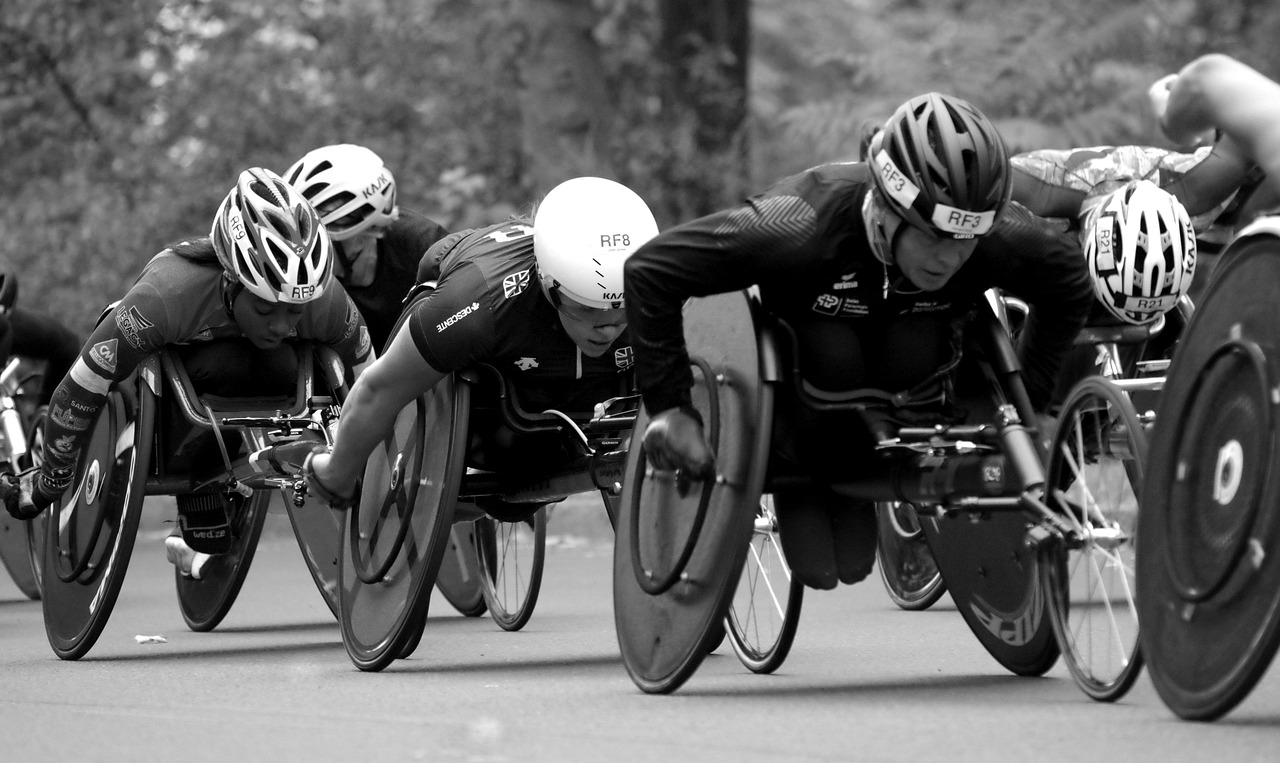

Cardiovascular Benefits of Adaptive Fitness for Disabled Adults
Adaptive fitness programs tailored for disabled adults offer significant cardiovascular benefits. These specialized programs focus on improving heart health through tailored exercises. Individuals with disabilities often experience barriers to traditional fitness approaches, yet adaptive fitness addresses these issues effectively. By incorporating activities suitable for different ability levels, these programs enhance aerobic capacity and boost stamina. A consistent adaptive fitness routine can also improve circulation and lower blood pressure, contributing to overall cardiovascular wellbeing. Furthermore, participating in adaptive fitness allows disabled adults to engage in social interactions, which is crucial for mental health. This interaction often encourages continued participation, leading to enhanced motivation and adherence. Also, engaging in regular physical activity strengthens the heart muscle. Stronger hearts pump blood more efficiently, promoting better oxygenation and nutrient delivery to tissues. In addition, adaptive fitness can help manage existing conditions such as obesity or diabetes, both of which are risk factors for heart disease. Finally, it fosters a sense of autonomy, empowering individuals to take charge of their health, which is a crucial part of achieving sustainable cardiovascular fitness. Therefore, the cardiovascular benefits of adaptive fitness are undeniable and transformative.
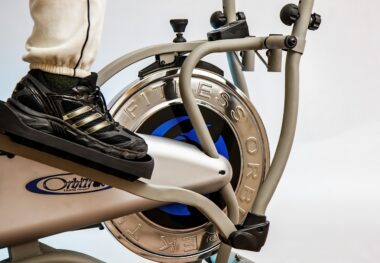
Incorporating varied exercise modalities is key for success with adaptive fitness. Activities may include cycling, swimming, seated aerobics, or resistance training, tailored to individuals’ capabilities. For those with limited mobility, using adaptive equipment such as hand cycles or resistance bands provides valuable alternatives. Addressing the diverse needs of disabled adults encourages more participants to find joy in physical activity. Besides improving cardiovascular fitness, these programs can enhance muscle strength and flexibility. Evidence suggests that flexibility is equally important; incorporating stretching exercises can prevent injuries. Coaches and fitness instructors versed in adaptive techniques play an essential role in ensuring participants engage safely and effectively. They can modify exercises to avoid common pitfalls experienced by those with disabilities. Moreover, the social environment created within these classes fosters camaraderie and support. Participants often encourage one another, creating a positive atmosphere focused on shared goals. Furthermore, regular measurements and assessments can gauge improvements, offering tangible proof of progress. Attendees can witness their advancement over time, which contributes positively to their mental health. Ultimately, adaptive fitness offers an opportunity without limitations, allowing disabled adults to experience the thrill of improved cardiovascular health through exercise.
The Role of Community in Adaptive Fitness
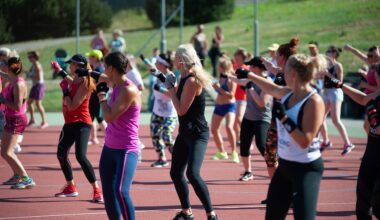
Community plays a pivotal role in the success of adaptive fitness programs. When disabled adults engage in group activities, they often experience increased motivation and encouragement. The support offered by peers can lead to enhanced self-esteem and a greater commitment to fitness goals. This sense of belonging is vital, as it helps mitigate feelings of isolation experienced by many individuals with disabilities. Furthermore, group activities can be designed to foster teamwork, where encouragement becomes a natural part of the process. Exercising in a community nurtures accountability and shared experiences, making exercising not just a physical act but a social event. Additionally, local adaptive fitness programs can cultivate partnerships with healthcare providers. This collaboration can ensure participants receive comprehensive advice on managing their cardiovascular health. They can work alongside doctors and nutritionists, combining efforts to promote a holistic approach to fitness. Online platforms and social media also serve as valuable tools for connecting individuals, sharing resources, and providing motivation outside of structured classes. Resource sharing, such as workout tips or success stories, reinforces connections among participants. Ultimately, community involvement enhances the overall benefits attained through adaptive fitness endeavors.
As disabled adults engage in adaptive fitness, the psychological benefits they experience significantly contribute to overall health. The release of endorphins during physical activities can translate to reduced anxiety and depression levels. The structured nature of adaptive fitness classes fosters routine, which can be comforting for many individuals. Predictability in scheduling can enhance feelings of security and confidence, making participation less daunting. Moreover, successful completion of workouts boosts self-efficacy. Individuals often feel proud when they achieve personal fitness milestones, reinforcing a positive self-image and belief in their capabilities. In turn, this confidence empowers participants to tackle daily challenges that extend beyond the gym. Regular engagement in exercise leads to improved cognitive functioning. Many studies show that physical activity promotes neuroplasticity, enhancing brain function. Participants often report feeling sharper mentally and more engaged in life. The connection between mental health and physical activity is well-documented, solidifying the importance of adaptive fitness for a holistic approach to wellbeing. Adaptive fitness programs thus not only cater to physical health, but also contribute significantly to emotional and cognitive growth among disabled adults. Through shared goals and accomplishments, individuals find strength and resilience that might otherwise remain hidden.
Research and Evidence Supporting Adaptive Fitness
Numerous studies illustrate the effectiveness of adaptive fitness in promoting cardiovascular health among disabled adults. Research consistently shows that adapted exercise regimens can significantly lower risks of heart disease. For instance, a systematic review highlighted how customized programs led to improved aerobic fitness metrics over a short period. Participants demonstrated enhanced endurance and increased activity levels, showcasing a positive trend toward healthier cardiovascular function. Further, longitudinal studies revealed that consistent participation in adaptive fitness correlated with lower hospital visits for cardiovascular issues. This suggests that adaptive fitness may have far-reaching benefits that extend past just physical improvements. As medical professionals recognize these findings, they increasingly endorse adaptive fitness as viable therapy for cardiovascular conditions. Furthermore, patients often report improved quality of life due to increased independence and physical capability. These findings underscore the importance of considering adaptive fitness as part of healthcare plans for disabled individuals. Additionally, the social aspects of these programs contribute to overall wellness. In many instances, health care practitioners recommend engaging in community-based adaptive fitness programs as preventive measures for cardiovascular health. Hence, the research substantiates the significant role of adaptive fitness in fostering heart health among individuals with disabilities.
Implementing adaptive fitness programs requires thoughtful planning to ensure inclusivity and accessibility. Organizations must prioritize creating environments that welcome individuals with diverse needs and abilities. Critical to this process is understanding the unique challenges faced by disabled adults when accessing traditional fitness spaces. Facilities need to ensure accessibility measures, such as ramps and equipment designed for all abilities. Additionally, staff should be trained to provide adaptive techniques, fostering an informed environment. Implementing feedback channels is significant, allowing participants to voice concerns and suggestions for improvement. Regular assessments of facilities and programs can help identify barriers and areas needing adjustment. Moreover, outreach initiatives to educate the community about adaptive fitness can encourage participation. Hosting community events that showcase available programs raises awareness and highlights success stories. Collaborating with local organizations creates a network of support that can further broaden outreach efforts. Flexibility in programming, such as offering various time slots, can make accessing fitness opportunities easier. All these steps reflect a commitment to inclusivity. By considering these factors, communities can create sustainable adaptive fitness initiatives that significantly impact cardiovascular health and overall wellness for adults with disabilities.
Future Directions in Adaptive Fitness
Advancements in technology present exciting opportunities for the future of adaptive fitness. From wearable devices to virtual reality, innovative tools can augment participants’ experiences. Tracking parameters such as heart rate, calories burned, and activity levels can motivate individuals to set and achieve fitness milestones. Virtual reality workouts can facilitate engaging simulations that cater to various capabilities, allowing individuals to experience immersive environments tailored to their needs. As these technologies become more accessible, they can revolutionize how adaptive fitness is approached. Furthermore, future research will likely uncover more effective strategies for maximizing cardiovascular health in disabled adults. Ongoing studies investigating the relationship between adaptive fitness programs and cardiac health remain crucial. Additionally, exploration of intersectional cycles, such as mental health and physical health correlations, will provide deeper insight. Advocacy for inclusive fitness will intensify, pushing for more community programs that incorporate adaptive methods. Sharing successful models can inspire new initiatives across diverse populations. Collaboration among healthcare providers, fitness professionals, and researchers will lead to continuous improvement. Ultimately, the future of adaptive fitness looks promising, with the potential to reshape cardiovascular health and empower disabled adults towards achieving their fitness goals.
In conclusion, the benefits of adaptive fitness for cardiovascular health among disabled adults are profound. This approach blends physical activity with essential social interactions, leading to holistic improvements in overall well-being. A comprehensive adaptive fitness program fosters increased cardiovascular fitness, muscle strength, and mental resilience by incorporating various activities that suit participants’ needs. Throughout this article, we have established how consistent engagement can yield significant results, including decreased risks of heart disease and improved mental health. As community awareness grows, more disabled adults can access tailored programs designed for them. The transformative power of adaptive fitness extends beyond traditional exercise paradigms, encouraging individuals to embrace their potential and aim for personal fitness goals. Finally, as research continues to shed light on effective strategies, adaptive fitness will remain an essential part of promoting health for disabled adults. Future initiatives ought to focus on enhancing inclusivity in access and resources while integrating technology where possible. This creates an inviting atmosphere for everyone to participate in their fitness journey. Strengthening community engagement and sustaining local support networks will ensure adaptive fitness flourishes, ultimately contributing to healthier, happier lives for disabled adults.