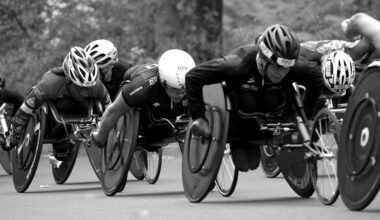

The Impact of Mental Focus on Balance Recovery Post-Injury
Recovering balance after an injury can be a challenging journey, influenced heavily by various factors. Among these, mental focus plays a crucial role. When an individual sustains an injury, not only is the physical aspect affected, but the mental state is impacted as well. The relationship between mental focus and balance recovery is vital, as concentration can enhance the body’s ability to perform coordination movements. Engaging in mental exercises that promote focus can facilitate better recovery outcomes. Techniques such as visualization allow individuals to mentally rehearse movements, aiding the brain in re-establishing the necessary connections for balance. Additionally, mindfulness practices can help improve attention and awareness of bodily sensations, which is essential for regaining equilibrium. Falling or losing balance often stems from distractions, so honing one’s mental resilience can deter such occurrences. Moreover, the emotional aspect of recovery shouldn’t be overlooked; positive affirmations and maintaining a proactive mindset can lead to better outcomes. While physical rehabilitation is crucial, the integration of mental focus techniques can expedite the recovery process significantly and foster long-lasting results in balance restoration after injury.
The mental aspect of rehabilitation encompasses not only focus but also self-efficacy. Self-efficacy is the belief in one’s ability to succeed in specific situations. In the context of balance recovery, patients who believe they can regain their equilibrium are often more motivated and engaged in their rehabilitation. They tend to perform exercises more diligently and are open to trying new challenges, which can ultimately improve their recovery outcomes. Setting small, achievable goals throughout the rehabilitation process can enhance self-efficacy and foster a sense of achievement. Celebrating these victories, no matter how minor, reinforces the belief that balance can be restored. Furthermore, it’s essential to have a support system in place during this process. Positive reinforcement from friends, family, or healthcare providers can significantly boost an individual’s confidence. Evidence suggests that a strong support network can mitigate feelings of anxiety or fear, typically associated with post-injury recovery. Mental strategies such as journaling can also serve as a tool for reflection, allowing individuals to track their progress and identify areas needing focus. Maintaining a positive mindset, combined with active participation, enables individuals to effectively navigate the complexities of balance recovery.
Integration of Mental Practices into Physical Rehab
Integrating mental practices into physical rehabilitation can enhance recovery following an injury. Mental imagery exercises, for instance, can aid in preparing individuals for physical tasks by recreating them in their minds. This cognitive approach has been proven effective, as it creates a blueprint of movement, allowing the brain to simulate these actions. Patients can visually imagine themselves executing specific movements or achieving balance, which can facilitate actual performance in real-life situations. Furthermore, relaxation techniques such as deep breathing and progressive muscle relaxation can reduce anxiety, thereby improving concentrate during rehabilitation exercises. By calming the nervous system, these methods enhance focus and clarity, essential for balance recovery. Additionally, cognitive-behavioral strategies might help patients address negative thoughts or beliefs that hinder their progress. Challenging self-doubt encourages a more positive mindset, ultimately impacting the body’s performance. Regularly including these mental techniques alongside physical exercises enables a holistic approach to recovery. It’s vital for healthcare professionals to design personalized rehabilitation programs that address both mind and body. This dual focus ensures patients not only work on their physical strength but also nurture their mental resilience throughout the recovery journey.
As rehabilitation progresses, tracking improvements in both physical and psychological domains becomes necessary. Assessing balance recovery and mental performance allows individuals to recognize patterns and shifts over time. Documentation is key; recording achievements fosters motivation and engages patients in their recovery process. Many individuals experience natural fluctuations in their recovery journey, where both setbacks and advancements coexist. Therefore, emphasizing patience and persistence must be part of the narrative during rehabilitation. Creating worksheets or journals specifically designed to document improvements can be an effective strategy. This adds structure to the recovery process and aids individuals in becoming accountable for their progress. Furthermore, regular feedback from rehabilitation specialists can provide encouragement and insights, reinforcing the relationship between mental focus and physical performance. Celebrating milestones such as improved balance in specific exercises reassures patients that mental practices are indeed making a difference. With time, those who commit to integrating mental techniques into their physical regimen typically witness more substantial improvements. As they gain confidence and balance proficiency, they develop a greater understanding of their capabilities, which fuels a more positive prognosis for their future.
Challenges and Overcoming Mental Blocks
Every recovery process can present unique challenges, particularly on a mental and emotional level. Many individuals may encounter mental blocks that significantly hinder balance recovery. These challenges can stem from fear of re-injury or the anxiety associated with performing certain movements. It’s essential to recognize these obstacles and address them proactively. Cognitive restructuring techniques can help individuals identify and challenge their negative thoughts. By reframing thoughts, individuals often begin to break down the barriers that limit their performance. Additionally, exposure therapy might be a practical strategy. Gradually exposing individuals to the movements they fear can build confidence and resilience, ultimately helping them regain control over their body. Emphasizing small successes along the journey is crucial; acknowledging these victories can inspire continued effort. Joining support groups or connecting with peers who share similar experiences can also provide reassurance. Hearing from others about their successes can offer hope and practical insight into recovery strategies. Lastly, working closely with professionals who understand these mental barriers can guide individuals more effectively through their rehabilitation, ensuring they achieve lasting balance recovery.
Long-term success in balance recovery heavily relies on sustaining mental practices post-rehabilitation. As individuals regain their balance, it becomes vital to maintain ongoing focus and engagement in mental strategies. Establishing daily habits that promote mental clarity can significantly enhance long-term outcomes. Techniques such as mindfulness meditation, visualization, and goal-setting can help individuals remain aware of their progress and improve future physical performance. Creating a balanced lifestyle that integrates physical training with mental health practices ensures individual resilience against potential setbacks. It’s also important to remain connected with physical therapists or coaches regularly, allowing for consistent check-ins and adjustments to training regimens. This ongoing relationship can provide vital guidance and support as recovery evolves. Engaging in community-based activities or classes focused on balance can also help consolidate gains and reinforce techniques learned during rehabilitation. Participation in group settings fosters motivation, accountability, and social interaction that nurtures overall well-being. Finalizing a positive mindset and surrounding oneself with encouraging individuals can bolster confidence. Ultimately, combining both mental and physical practice yields the best results when striving for complete recovery.
Conclusion: A Holistic Approach to Recovery
In conclusion, a holistic approach emphasizing both mental focus and physical abilities is critical to improving balance post-injury. While physical rehabilitation offers essential techniques to regain strength and coordination, integrating mental practices significantly enhances results. Patients who actively engage in mental techniques alongside their routines often report higher levels of confidence and fewer setbacks. Strengthening the brain’s connection to balance restores not only functionality but also empowers individuals to reclaim independence. Acknowledging the relationship between the mind and body during recovery is crucial. Incorporating strategies such as cognitive restructuring, mindfulness, and visualization fosters resilience in individuals facing the aftermath of an injury. Addressing mental barriers enhances focus and fortifies motivation toward achieving rehabilitation goals. By incorporating a supportive community and ongoing evaluation of progress, individuals can find a path to sustainable recovery. The journey of balance recovery is multifaceted; therefore, understanding and applying mental cultivation, alongside physical training, should be pivotal in every rehabilitation program. Ultimately, this approach elevates the importance of mental wellness in achieving optimal physical functioning and can lead to profound transformation in individuals’ lives.
In summary, bridging the gap between mental focus and physical balance recovery proves paramount in achieving overall well-being post-injury. Continuous exploration and adaptation of strategies designed to enhance mental fortitude can yield positive results in a patient’s journey back to physical activity. Acknowledging mental well-being as a critical component of physical rehabilitation creates a more comprehensive strategy for recovery. By employing adaptive strategies, nurturing a supportive environment, and fostering positive relationships, individuals are better positioned to overcome the challenges associated with balance recovery. Harnessing the power of both mind and body significantly influences successful outcomes in rehabilitation. Empower individuals through education regarding mental health’s role in physical stability and encourage persistent practice that fosters resilience and strength over time. Therefore, integrating mental training into balance recovery programs is not merely beneficial—it emerges as an essential aspect for improved rehabilitation. With a balanced focus, patients can further benefit from their efforts, embracing independence while navigating their recovery. Ultimately, supporting each person’s unique journey, grounded on an understanding of the complexities of recovery, paves the way toward a fulfilling and balanced life post-injury.