
Aromatherapy for Shift Workers: Managing Sleep and Recovery
Aromatherapy is a complementary therapy that utilizes essential oils to enhance various aspects of life, including sleep. For shift workers, managing their sleep can pose unique challenges due to irregular hours. Essential oils such as lavender, chamomile, and bergamot have shown promise in promoting relaxation and reducing anxiety. Lavender oil is particularly famous for its calming properties, helping shift workers unwind after a long night. Exposure to calming scents before bedtime can significantly enhance the quality of sleep. Additionally, chamomile has been traditionally used as an herbal remedy to promote sleep. Incorporating these oils into a nightly routine can provide a sanctuary of relaxation amidst the chaos of shift work. Bergamot oil, on the other hand, has uplifting qualities that can help combat fatigue caused by disrupted circadian rhythms. Shift workers often have to adapt quickly to changing schedules, making aromatherapy an accessible tool for better sleep and recovery. Finding a personal preference for scent can make the practice more enjoyable and beneficial. These oils can be diffused, added to baths, or used in massage, making them versatile companions in achieving restful sleeps.
The Science Behind Aromatherapy and Sleep
The science of aromatherapy involves understanding how scents affect our brain and body’s physiological responses. Essential oils impact the limbic system, the area of the brain responsible for emotions and memory. As shift workers often experience disrupted sleep cycles, understanding the science behind aromatherapy becomes vital. Research has demonstrated that certain scents can lower heart rates and reduce anxiety, making them effective tools for promoting faster sleep onset. For instance, studies show that lavender oil could increase overall sleep quality and enhance deep sleep stages. Furthermore, aromatherapy may also help to regulate cortisol levels, which rise during stress, ultimately assisting in relaxation. In addition to lavender, oils like ylang-ylang and sandalwood can have synergistic effects to calm the nervous system. Integrating specific essential oils into bedtime routines may lengthen sleep duration and improve sleep efficiency for those in demanding jobs. Ventilation and diffusion methods play a critical role in how effectively these scents are absorbed into the body. Thus, using aromatherapy strategically can provide a support system, especially for shift workers seeking effective, natural sleep aids.
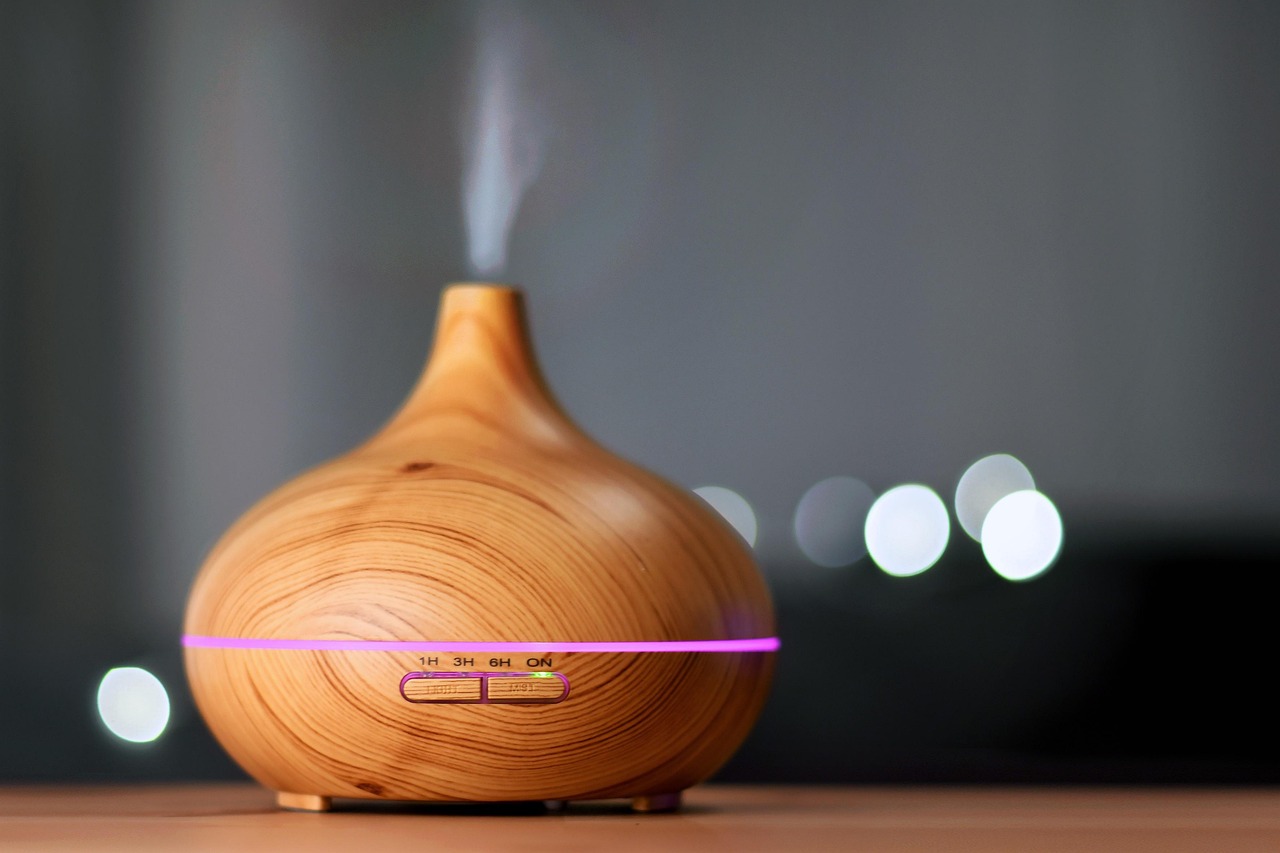
To maximize the benefits of aromatherapy for sleep, it’s essential to create a proper atmosphere that encourages relaxation. A calming environment can include dim lighting, comfortable bedding, and the right aroma. Shift workers can set up a diffuser in their sleep space to disperse their chosen essential oils effectively. This allows the beneficial scents to circulate, creating a serene environment. It’s recommended to experiment with different combinations of essential oils to discover what works best for each individual, as preferences may vary. Besides using a diffuser, adding a few drops of essential oil to a warm bath or creating a pillow spray can also enhance the sleep experience. Establishing a bedtime ritual that incorporates aromatherapy helps signal the body that it’s time to wind down. Shift workers can benefit from using these scents while avoiding screen time, ensuring that their bodies recognize when it’s time to rest. Essential oils can also be blended with carrier oils and utilized in personal care routines, providing additional relaxation through touch. Taking time to create a dedicated relaxation space can greatly aid in ensuring better recovery and restful sleep.
Choosing the Right Essential Oils
Not all essential oils promote sleep effectively, so it’s crucial to identify those best suited for enhancing rest. Popular essential oils for sleep include lavender, chamomile, jasmine, and frankincense. Choosing the right essential oils often depends on individual preference and how the body reacts to different scents. For many, lavender stands out for its potent ability to promote relaxation, easing anxiety and enhancing sleep duration. Chamomile, known for its calming properties, may also provide soothing effects that can settle an overactive mind. Jasmine has fragrant notes that some studies suggest can enhance sleep quality while improving mood. Furthermore, frankincense oil is associated with grounding effects and may help reduce feelings of stress. It’s essential to practice safety while using aromatherapy, especially for those with allergies or respiratory conditions. A patch test is recommended before applying essential oils topically. Experimenting with blends can also yield unique benefits, creating personal and effective aromas. For shift workers, finding the right scent can make the difference between restless nights and rejuvenating sleep, providing much-needed rest for demanding schedules.
Integrating aromatherapy into the lives of shift workers requires a commitment to self-care. Establishing consistency in using essential oils can lead to more significant benefits over time. Consider implementing aromatherapy during work breaks to alleviate stress throughout the shift. Small bottles of essential oils can be a source of comfort, through inhalation or topical application. Some shift workers find bringing aromatherapy to work, using personal diffusers, or scented portable bottles quite helpful. Reducing stress levels at any time during their breaks can enhance their overall well-being and even boost productivity. During downtime, the relaxing properties of essential oils can create a moment that fosters mental clarity, even in high-pressure environments. Using scents that energize during work hours while switching to calming scents at home creates a refreshing routine to assist the body. It is also ideal for shift workers to prioritize hydration and nutrition alongside aromatherapy practices to enhance overall recovery. Creating aromatic environments that are supportive of their sleep health often leads to a holistic approach towards managing their work-life balance effectively.
Practical Tips for Using Aromatherapy
To effectively incorporate aromatherapy into a shift worker’s lifestyle, practical tips can make the process smoother. First, identify specific scents that resonate with your needs, establishing a clear connection to relaxation. Next, schedule a scent ritual before bedtime or during breaks to establish a consistent routine. Using an essential oil roller can provide convenience for quick application during the day. Investing in a quality diffuser designed for large or small spaces can make a significant difference in scent distribution. Moreover, wearing essential oils as a personal fragrance can be a subtle yet powerful way to maintain focus on relaxation throughout your work. Keeping a journal to document how each essential oil affects sleep patterns can also encourage mindful usage. Test different applications, such as sprays, diffusers, or baths, to determine the most effective methods. Lastly, create a calming pre-bed routine by dimming the lights and turning off electronic devices to eliminate distractions. This engaging environment will make it easier for aromatherapy to aid in promoting healthy sleep habits and supporting recovery.
In closing, incorporating aromatherapy for sleep enhancement offers considerable benefits for shift workers facing irregular schedules. Essential oils provide adaptable solutions for improving sleep quality and aiding recovery, enabling better management of demanding lifestyles. The calming effects of oils like lavender and chamomile are well-documented and can effectively support overall well-being. As many shift workers struggle to achieve quality sleep, expanding aromatherapy awareness will empower them to take control of their rest. By emphasizing self-care and channeling the benefits of essential oils, shift workers can harness a greater sense of peace. Creating personalized routines showcases an effective way to integrate these practices into daily life. Ultimately, finding the right scents can become an essential aspect of managing sleep for shift workers, helping them embrace healthier lifestyles. With understanding and dedication, aromatherapy can transform nighttime rituals into soothing sanctuaries. Committing to restorative practices enhances recovery and makes an observable impact on productivity. This holistic approach will foster an improved performance horizon, supporting longevity in both career and health.