
The Psychology Behind Support Groups for Eating Disorder Patients
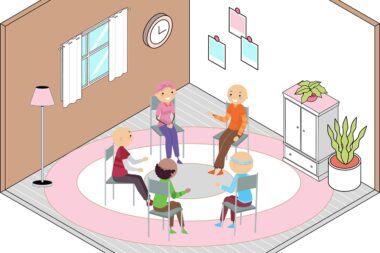
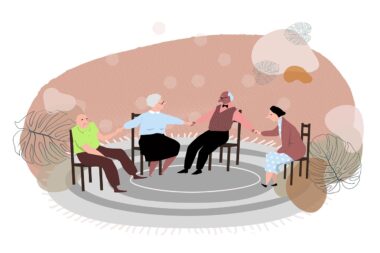
Support groups play a crucial role in addressing eating disorders by providing a safe, non-judgmental environment where individuals can share their experiences. Psychologically, these groups facilitate connection and help combat feelings of isolation often associated with eating disorders. The shared experiences allow patients to feel understood, which can be therapeutic in itself. Members can learn from each other, gaining insights into coping mechanisms that may resonate with their situation. Active listening also fosters a sense of belonging; it allows individuals to express feelings without fear of stigma. This psychological safety enhances self-esteem, promoting self-acceptance and building vital social skills. Emotional support provided within these groups is invaluable. When patients hear others recount their struggles and victories, it inspires hope and resilience. These interactions can reinforce the belief that recovery is attainable and that change is possible. Education around eating disorders can be provided, helping members to understand the complexities involved. Importantly, understanding the psychological dynamics at play in support groups reveals pathways to sustained recovery and healing for those struggling with these complex conditions. Each member contributes to the collective growth and support system.
Empowerment Through Shared Experiences
Empowerment is fundamental in recovery from eating disorders, and support groups can significantly aid this process. When individuals listen to others’ narratives, they often identify patterns within their own struggles. This recognition leads to a powerful realization: they are not alone in their battles. Shared experiences also validate individual emotions, allowing patients to confront their own feelings more deeply. Witnessing others navigate their journeys with courage fosters resilience within each member. Empowerment comes from being able to articulate personal stories and support others in return. Members understand they possess resources to aid fellow group participants, which enhances their self-worth. Mutual encouragement promotes a cooperative learning environment, where everyone can grow healthier together. The power dynamics shift from being solely patient to becoming an integral part of a supportive community. Furthermore, this mutually supportive aspect reinforces the concept of recovery as an ongoing journey rather than a solitary struggle. Patients learn to advocate for their needs and express their emotions constructively. In essence, these groups transform patients from passive recipients of care into active participants in their healing process.
Another vital aspect of support groups lies in their ability to enhance communication skills among members. For individuals grappling with eating disorders, expressing thoughts and feelings can often be challenging and intimidating. Through regular participation, members gradually become more comfortable verbalizing their emotions and experiences. This practice fosters an environment where articulating needs and boundaries becomes more manageable. Communication is essential in recovery and is a skill that can be cultivated within these supportive settings. Members learn to engage constructively in discussions, listen actively, and provide feedback that is compassionate yet honest. Such interactions are empowering and can extend beyond the group context into personal relationships. Moreover, when individuals practice these skills regularly, the improvement in their ability to express themselves can lead to better outcomes in managing their eating disorders. As they grow more confident in sharing their experiences, they learn the importance of vulnerability and honesty in relationships. With finding their voice, members become advocates for themselves and others. Consequently, these practical life skills gained in group settings contribute significantly to both personal and relational growth.
The Role of Professional Facilitation
Facilitators play a pivotal role in support groups, guiding discussions and ensuring a safe space for all participants. Licensed therapists or trained professionals help maintain a balanced atmosphere where everyone can contribute. Their training empowers them to address sensitive topics without fostering discomfort. Moreover, skilled facilitators can identify when discussion dynamics shift, ensuring that every voice is heard while keeping the group focused on recovery-oriented dialogue. They can offer insights or educational resources to deepen understanding about eating disorders. While the experiences shared among peers are vital, the professional leadership provided by facilitators helps temper discussions in ways that foster growth. When participants stray into harmful territory or engage in negative behavior, facilitators gently steer conversations towards constructive paths. They also encourage meaningful discussions about nutrition, body image, and struggles, translating insights gained into actionable steps for those dealing directly with eating disorders. The combination of peer support and professional guidance creates a holistic approach to recovery, enhancing the efficacy of treatment and ensuring more profound learning experiences for all participants.
Support groups also serve as spaces for accountability. When individuals share their goals or intentions related to their recovery, they create an inherent sense of commitment to themselves and each other. Members can openly discuss their progress or setbacks, learning that their journeys are filled with ups and downs, which is entirely normal. This shared accountability fosters motivation, compelling individuals to remain engaged with their recovery paths actively. With peers aware of their commitments, members are more likely to follow through with their goals. The emphasis on collective growth encourages each participant to appreciate personal achievements while empathizing with the struggles of others. As they share experiences, whoever expresses vulnerability can receive essential feedback and encouragement, reinforcing their resolve to heal. It creates a culture where accountability is not about judgment but support. This powerful aspect of support groups can help reduce relapse rates and promote enduring emotional resilience. Overall, the accountability provided in these communal settings is integral to the healing process, motivating members to stay committed to their recovery journeys.
The Healing Power of Community
Healing is often a communal effort, and support groups epitomize this philosophy. By fostering a sense of belonging, these groups help individuals overcome the loneliness that often accompanies eating disorders. Participants learn that they share similar challenges and triumphs, which builds a connection that transcends individual experiences. This unity creates opportunities for shared learning, compassion, and personal growth. Emotional bonding is fundamental; as members grow more comfortable with one another, they unlock layers of vulnerability, opening pathways to deeper discussions. The healing power of community lies in the mutual understanding and empathy cultivated within these spaces. Individuals often report feeling lighter and more hopeful after sharing their stories with the group. Consequently, the group becomes a refuge that nurtures healing, allowing members to feel as if their identities go beyond the disorder they struggle with. Through shared laughter, tears, and revelations, patients can discover their strength and resilience. This transformed understanding ultimately encourages individuals to embrace their identities outside of their eating disorders, paving the way for lasting recovery.
The journey towards recovery from eating disorders is often marked by challenges, yet support groups provide essential resources for overcoming these hurdles. By harnessing peer experiences, emotional support, accountability measures, and professional guidance, patients can navigate their paths more effectively. These groups normalize the conversation around eating disorders, dismantling the stigma associated with these complex mental health issues. Thus, group members enter a realm of acceptance where they earnestly support one another while celebrating advancements, no matter how small they may seem. Recovery becomes a shared mission, allowing each member to recognize their importance in the healing narrative. Ultimately, connection, empowerment, and community foster resilience, allowing participants to build fulfilling lives outside their disorders. The knowledge, skills, and friendships cultivated during meetings resonate far beyond their duration, enriching everyday interactions and relationships. For many, the support group experience acts as a transformative force, providing a framework for a healthier mindset and lifestyle. In conclusion, engaging with this collective journey empowers individuals to strive for recovery and engage deeply with their emotions and relationships, thus leading to a more profound sense of wellness.
In sum, support groups are invaluable resources for those dealing with eating disorders. They provide emotional support, foster personal growth, and create a sense of community. Additionally, they enhance communication and accountability, essential aspects of recovery. By integrating these elements, support groups cultivate an environment conducive to healing, allowing individuals to reconnect with themselves and others. Participants often experience a sense of empowerment as they share their stories, learn to articulate their feelings, and recognize their resilience. Engagement in these groups reinforces the notion that recovery is attainable, equipping members with strategies to manage their eating disorders effectively. The journey of recovery and healing is rarely linear, but support groups offer a grounding source of strength throughout the process. Just knowing that there are others who understand the struggle can provide a significant boost. Over time, as members build trust and rapport, the narratives they share can foster liberating change both personally and collectively. Moving forward together strengthens the resolve to confront personal challenges with renewed optimism. Therefore, support groups are not just beneficial; they are essential in the broader context of healing and wellness.