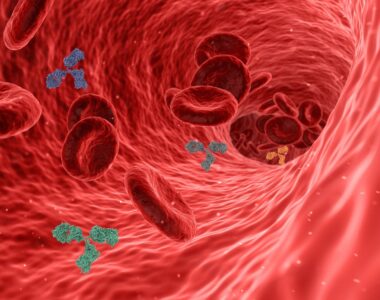

Introduction to Resistance Training and Immune Function
Resistance training has become a focal point in the study of exercise science, particularly regarding its effects on immune health in older adults. This group often experiences age-related declines in immune function, leading to increased susceptibility to infections and diseases. Regular resistance training can play a pivotal role in ameliorating these changes. Research suggests that engaging in consistent strength training exercises can bolster the immune response, thereby enhancing overall health. Strength training improves muscle strength and durability, allowing older individuals to maintain functional independence. Notably, the immune system relies on various factors to function optimally, including proper nutrition, hydration, and physical activity. Therefore, a multifaceted approach should be adopted to maximize health benefits. Older adults can particularly benefit from targeted resistance exercises, which not only improve muscle mass but also promote a balanced metabolism. This can further reduce chronic inflammation, which is often linked to weakened immune responses. By incorporating resistance training into their routines, older adults can experience profound benefits that extend beyond mere muscle gain.
The Research Behind Strength Training and Immunity
Numerous studies illustrate the positive correlation between resistance training and enhanced immune function in older adults. One pivotal study highlighted the fact that older individuals participating in regular resistance training exhibited a marked increase in immunological markers. These improvements often include enhanced levels of immunoglobulins, natural killer cells, and T-cells, all of which are crucial components in fighting off infections. The increase in muscle mass associated with resistance training also helps to regulate inflammatory responses in the body. Chronic inflammation can pose severe risks, especially in the aging population, as it often triggers various health issues. Strength training has been shown to decrease the production of pro-inflammatory cytokines while boosting anti-inflammatory agents. It is essential, however, for older adults to engage in supervised or well-structured training sessions to minimize the risk of injuries. Tailored resistance programs can maximize results while ensuring safety. Hence, understanding the science behind these benefits emphasizes the importance of integrating resistance training into health recommendations for older adults.
One significant factor related to resistance training outcomes is the role of hormonal changes that come with aging. As individuals age, testosterone and growth hormone levels peak, leading to gradual decreases in strength and recovery. Interestingly, resistance training can combat these declines effectively. Regular strength exercises induce favorable hormonal responses, increasing testosterone and growth hormone levels, boosting anabolic processes essential for recovery and immune function. This increased hormonal profile aids not just in muscle maintenance but also positively influences immune responses against infections. Moreover, engagement in such physical activity results in improved vascular function, which enhances blood flow, facilitating the rapid delivery of immune cells throughout the body. Coupled with proper nutritional support, the ability of older adults to recover from illnesses can be significantly augmented. Thus, resistance training serves as a dual-purpose intervention, helping to maintain physical capabilities while strengthening the immune response. Implementing consistent strength programs tailored to individual capabilities can empower older adults, allowing them to age gracefully while retaining robust immune health.
Overcoming Barriers to Resistance Training
Despite its advantages, many older adults face barriers to engaging in resistance training, which can inhibit their immune system benefits. Commonly cited obstacles include perceived physical limitations, fear of injury, and lack of access to appropriate facilities or knowledge about exercise routines. Combatting these barriers effectively requires comprehensive strategies that promote safety, education, and accessibility. Community programs and supportive environments can foster positive experiences for older adults entering resistance training. Local fitness facilities can offer specialized classes or programs designed for seniors, ensuring guidance from trained instructors. Additionally, encouraging social accountability and participation can motivate individuals to adopt regular resistance training sessions. Group training scenarios often provide not only motivation but also support from peers who share similar challenges. This social aspect significantly enhances the adherence rates for exercise programs in older adults. Furthermore, educating seniors about the safety and adaptability of resistance training can alleviate fears associated with injury. By addressing psychological and practical obstacles, more older adults can be encouraged to perform resistance exercises, substantially benefiting their immune health.
Nutrition plays a crucial role in conjunction with resistance training, especially regarding immune health. Older adults must focus on adequate protein intake to support muscle repair and growth. Protein is vital for synthesizing immunological components that boost the immune response, which can be especially beneficial in preventing infections. Hydration status must be maintained, as dehydration can negatively affect overall health and immune function. Micronutrients, including vitamins A, C, D, and minerals like zinc, are critical for optimal immune responses. Resistance training can increase the need for these essential nutrients, reinforcing the necessity for a nutrient-dense diet. Therefore, integrating nutritional education with exercise programming is crucial for older adults. Nutritionists and trainers working together can provide comprehensive plans, ensuring that participants are well-fueled for their workouts and immune resilience. Moreover, ongoing community resources can offer valuable information and support, promoting better dietary choices alongside physical activity. Ultimately, recognizing the interplay between resistance training and nutrition underscores the importance of a holistic approach to health in older adults to enhance their immune functions.
Conclusion: Promoting Immune Health Through Exercise
In conclusion, resistance training offers significant benefits for immune health, particularly in older adults. It enhances the body’s natural defense mechanisms, reduces inflammation, and increases muscle mass—all critical factors in promoting longevity and overall well-being. With increasing evidence supporting its efficacy, it is essential for healthcare providers to advocate for suitable exercise programs tailored to this demographic. Community resources play an important role in supporting these initiatives by making resistance training more accessible and appealing. Furthermore, integrating nutrition education into exercise regimens will amplify the positive impacts of training sessions on immune function. Consequently, older adults should be encouraged to participate actively in resistance training, fostering an environment where they feel confident and empowered. By prioritizing physical activity, particularly through strength training, older adults can significantly enhance their quality of life, promoting not only physical fitness but also robust immune health that ultimately leads to a more fulfilling and active lifestyle.
Future perspectives regarding resistance training and its immunological benefits are promising, as research continues to evolve in the field of exercise science. Understanding the mechanisms through which resistance training impacts immune health can help optimize exercise prescriptions for older adults. Continual investigation into specific exercises, durations, and frequencies that yield optimal benefits will guide health professionals in developing tailored programs effectively. Furthermore, interdisciplinary collaboration among fitness professionals, nutritionists, and healthcare providers could lead to innovative strategies, improving health outcomes for aging populations. Encouraging lifestyle changes and integrating resistance training as a routine exercise modality can alter perceptions of aging and health. By framing aging positively and highlighting the importance of exercise, older adults can more readily accept the necessary changes to enhance their immune functions. Longitudinal studies will be beneficial in tracking the lasting impacts of resistance training on immune resilience. As research deepens, we can expect more refined guidelines to emerge, ensuring older adults engage safely and effectively in resistance training. Ultimately, fostering a culture of proactive health management can empower older adults to take charge of their immune health through physical activity.