
Using Bodyweight Exercises to Build Core Stability
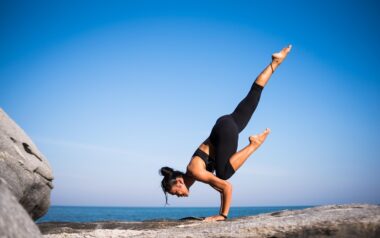
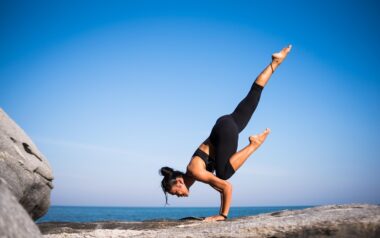
Core stability is essential for overall strength, balance, and physical performance. Engaging in bodyweight exercises offers a fantastic way to build core stability while improving overall fitness. These exercises utilize your body weight, negating the need for equipment, which is ideal for home workouts. By focusing on maintaining stability through various positions, you not only strengthen your core but also enhance your body’s capacity to perform daily activities effectively. The core consists of various muscles, including the abdominals, obliques, and muscles in the lower back. Strengthening these areas will reduce the risk of injury and enhance your posture. One way to initiate a core stability routine is by incorporating exercises such as planks, bridges, and bird-dogs. These movements not only stabilize your spine but activate the deep abdominal muscles, essential for everyday movements. For best results, aim to perform these exercises consistently, two to three times weekly. Progress can be measured by the duration and quality of your form. Ensuring proper alignment and technique is vital to maximize the benefits of these exercises. You’ll gain strength and balance, improving everyday actions.
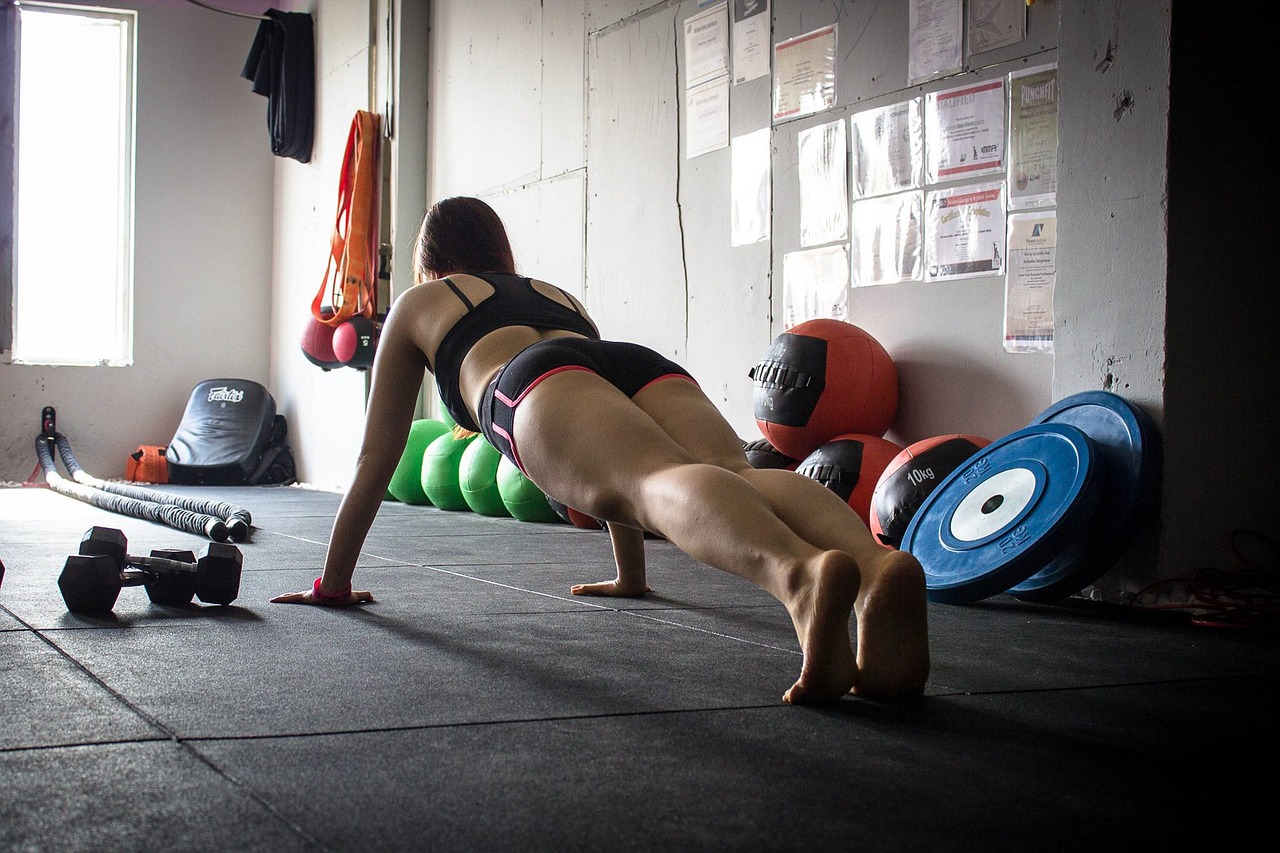
Starting with planks is a great foundational exercise for core stability. To do a plank, place your forearms on the ground, elbows under your shoulders, and extend your legs behind you. Engage your core and hold your body in a straight line from head to heels while breathing steadily. Initially, aim for 20-30 seconds, increasing the duration as you gain strength. Another effective exercise is the glute bridge, where you lie on your back, bend your knees and lift your hips off the ground to form a straight line from knees to shoulders. This exercise activates the glutes and stabilizes the lower back. Aim for 10-15 repetitions, holding for a couple of seconds at the top position. Incorporating bird-dogs challenges your balance while enhancing core strength. Start on all fours, extend one arm forward and the opposite leg back, holding for a few seconds. Alternate sides for 10-15 repetitions. Engaging these simple bodyweight exercises can significantly improve your core strength, stability, and overall performance.
Building Flexibility with Dynamic Movements
Incorporating dynamic movements into your routine offers an engaging way to build flexibility alongside core stability. Warm-ups utilizing dynamic stretches prepare your muscles and joints for the workout ahead while enhancing performance. Various exercises like cat-cow stretches can improve flexibility and strength by mobilizing your spine, while planks and glute bridges enhance stability. Adding stretches such as twists improves rotational flexibility, essential for many sports. Utilize exercises like the standing tall stretch to engage your core, enhancing posture and balance. This requires standing tall, reaching overhead, and bending side to side to stretch the lateral muscles effectively. Aim to hold each stretch for about 15-20 seconds while breathing deeply. Combining stretches with strength exercises not only promotes core stability but also aids recovery. Aim to perform this routine after your workout session. Additionally, maintaining a balance between strength and flexibility is essential for overall fitness. Consistent practice will lead to more robust core stability through bodyweight exercises and dynamic flexibility movements that are essential for various physical activities.
To track progress in your core strengthening journey, maintaining a fitness diary can help. Documenting workouts, durations, and the number of repetitions provides clear feedback about improvements over time. Set specific goals for your core training; this could involve increasing the time you hold a plank, completing more repetitions of a glute bridge, or enhancing your balance during bird-dogs. Scheduled assessments every few weeks can serve as motivation. Progress can also influence your workout intensity; attempt more advanced variations of exercises or incorporate increased balance challenges like stability balls or balance boards. Experimenting with variations also keeps workouts fresh and engaging. Repeating the same routine can lead to plateaus making it crucial to constantly challenge your muscles. Share your journey with a friend or community for further motivation and accountability. Many online fitness communities offer challenges you can participate in to keep the spirit high. They are a wonderful resource for motivation, support, and new ideas for core stability exercises. Regularly checking your journal will empower you to persist and strive toward improved core stability while building overall strength through bodyweight exercises.
Incorporating Stability Ball Exercises
Using stability balls can be instrumental in building core stability while engaging in bodyweight training. These inflatable balls add an extra challenge to traditional exercises, further enhancing core engagement. An exercise like the stability ball wall squat requires you to lean against the wall with the stability ball behind your back while performing squats. This engages your core while supporting your posture. Aim for three sets of 10 repetitions. Another beneficial exercise is the stability ball jackknife, where you start in a push-up position with your feet on the ball. Draw the ball toward you by bending at the knees and then extending. This full-body movement not only strengthens your core but also enhances shoulder stability. For added variety, incorporate stability ball passes where you pass the ball from your hands to your feet while lying on your back. Adjust the time spent on each exercise to meet your fitness level. Regular practice of these movements will substantially enhance core strength and stability, making bodyweight training a fun and efficient way to work out.
Mind-muscle connection plays a vital role in maximizing your workouts aimed at building core stability. It involves being aware of and focused on the muscles being worked during an exercise. This awareness not only enhances engagement but encourages better form and prevents injuries. During exercises like planks or bridges, consciously squeeze your core muscles; this focused effort will engage deeper stabilizing muscles and lead to better results over time. Additionally, incorporating breathing techniques is essential. As you perform exercises, exhale on exertion and inhale during the relaxation phase. For instance, when holding a plank, continuously breathe deeply while maintaining tension throughout your body. This practice can also reduce fatigue during workouts, allowing for more extended sessions without compromising form. You may also visualize the core muscles working during each exercise. For improved focus, practice meditation or mindfulness once a week as part of your routine. Integrating these practices into your stability workouts will enhance concentration, performance, and ultimately, core strength. Being mindful while exercising helps tremendously in achieving desired stability and balance while reducing the risk of injury.
Conclusion: The Path to Core Stability
Commencing your journey towards core stability through bodyweight exercises is a rewarding venture. Engaging in exercises targeting the core not only offers physical benefits but also mental stimulation and satisfaction. By following a routine that includes planks, bird-dogs, and stability ball exercises, you pave the path towards improved balance and strength. Monitoring progress via a fitness diary and incorporating balance challenges will keep your practice dynamic and effective. With time, you’ll notice a significant enhancement in your core strength, allowing you to perform more complex physical tasks and sports with ease. Emphasizing the mind-muscle connection will further improve the quality of your workouts. Remember that consistency is key; strive for two to three workouts each week to yield visible results. Combine strengthening exercises with flexibility routines to create a well-rounded approach to your fitness. Always listen to your body, adapting the intensity to avoid injury. It’s never too late to enhance stability using bodyweight methods, making it an accessible option for everyone. So, take the leap and commence your bodyweight journey to superior core stability today!
Engaging in bodyweight exercises offers numerous advantages for developing core stability, affordable, and effective workouts can improve your overall health.