
How Fitness Helped Me Beat Anxiety and Depression
For many people, anxiety and depression are debilitating conditions that can severely impact daily life. My personal journey with these mental health issues pushed me to seek solutions outside traditional forms of therapy. I was struggling to manage my emotions, and everything felt overwhelming. Anxiety would often leave me paralyzed, while depression cast a shadow over my motivation and joy. It was during this challenging time that I realized the potential of fitness to change my life. I began to explore fitness as an outlet to harness my energy and emotions in a positive way. Each workout provided an opportunity to push my limits, redefining both my physical and mental strength. The combination of sweat, effort, and personal accomplishment started to alleviate the anxiety I faced daily. Slowly but surely, I found that exercising became a powerful tool in my mental health journey. As the weeks went by, my mood improved significantly, leading to a newfound perspective on life. I won’t say it cured my issues entirely, but it certainly laid the foundation for better days ahead.
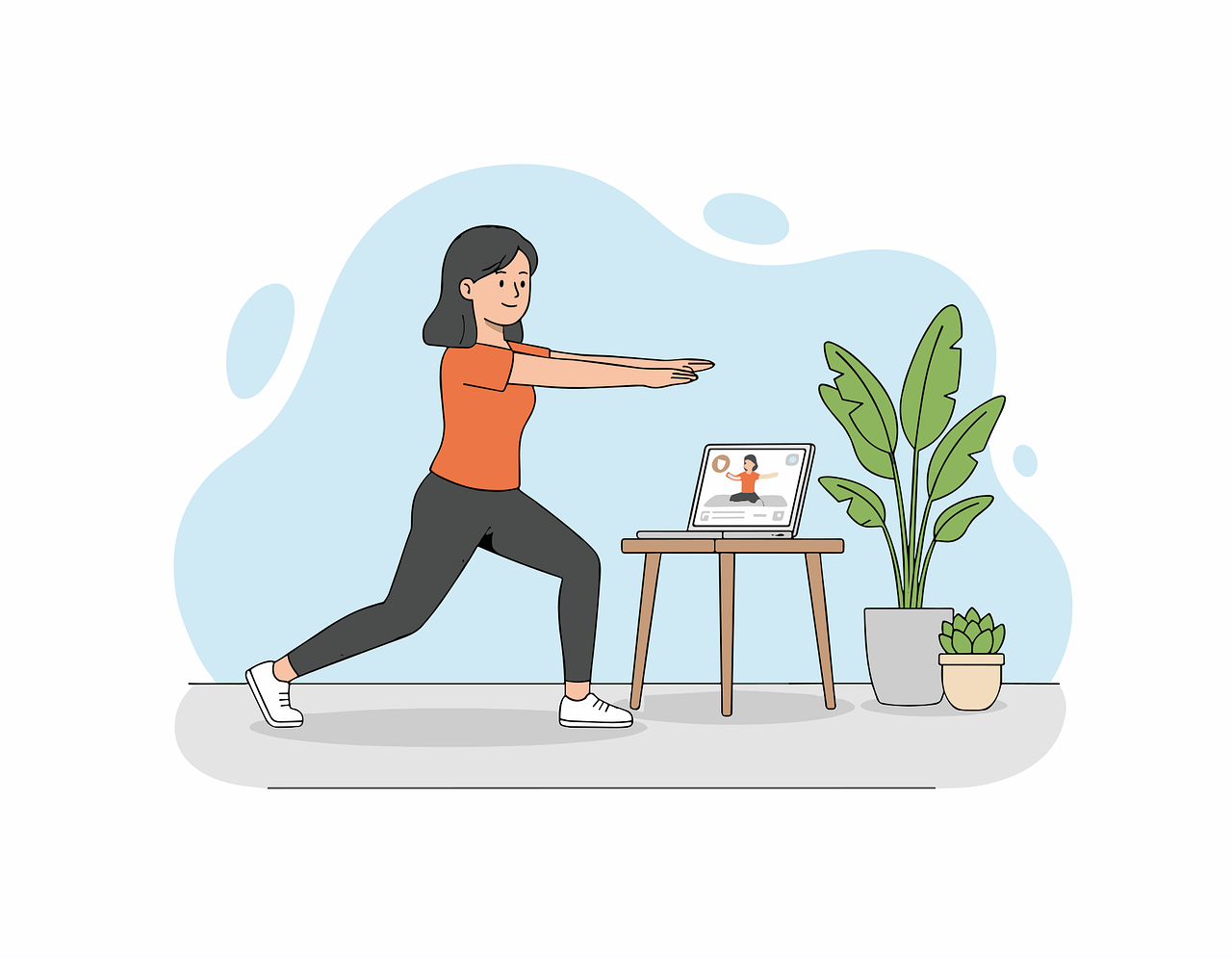
Building a routine around fitness was essential in my battle against anxiety and depression. At first, it required a conscious effort to integrate workouts into my schedule. I started small, committing to just 20 minutes of light jogging or yoga at home. This initial commitment gradually transformed into something more significant, as I began noticing positive changes in my overall well-being. Not only did exercise serve as a distraction from my worries, but it also became a source of empowerment. With every completed workout, I was reaffirming my ability to overcome challenges, and that realization sparked a transformation in my perception of self-worth. I became more resilient, and the regular physical activity helped me manage stress better. Furthermore, the endorphins released during exercise worked wonders on my mood. I was less irritable and anxious after working out, which encouraged me to prioritize fitness even more. The routine helped me reclaim my life. Fitness offered me an avenue to rebuild confidence and a sense of control amidst the chaos of anxiety and depression.
The Role of Community in Recovery
One essential aspect of my fitness journey was discovering the supportive community that surrounded me. I began attending group fitness classes at local gyms, where I found others who shared similar struggles. The camaraderie developed in these classes was instrumental in my healing process. Participants encouraged one another and celebrated individual progress, no matter how small. This atmosphere of positivity created a sense of belonging, diminishing my feelings of isolation that often accompanied my anxiety and depression. Being part of a community allowed me to meet new friends who uplifted my spirit and motivated me to keep going, even on tough days. I found accountability partners among these new connections, providing me with added encouragement to show up consistently. The social component of fitness imbued my routines with a sense of purpose and enjoyment that I had missed. Rather than viewing workouts as a chore, I began to look forward to them as opportunities for connection and joy. This process of fostering relationships and sharing experiences further solidified my commitment to a healthier lifestyle.
Through my journey in fitness, I discovered numerous activities that resonated with me personally. Originally, I thought running was the only way to get fit, but I soon realized there were various workouts that could enhance my mental and physical state. I experimented with cycling, swimming, weightlifting, and yoga, but it was yoga that truly transformed my relationship with fitness. The combination of body movements, breath control, and mindfulness helped ground me. Yoga encouraged me to focus on the present moment, making it easier to cope with anxious thoughts. It also provided a space where I could express my emotions freely. Each session served as a sanctuary, where I could remedy my racing thoughts and build strength from within. Finding the right fitness activity was crucial because it kept me engaged and motivated. Instead of perceiving fitness solely as a means to an end, I learned to appreciate the journey and the myriad of benefits it provided. My body became stronger, and my mind became clearer, showcasing the powerful connection between physical activity and mental health.
Setting Achievable Goals
Before embarking on my fitness journey, one challenge I faced was setting realistic and achievable goals. Initially, I wanted to see immediate results, impatient for transformation without recognizing the value of incremental progress. I discovered that by breaking down larger objectives into manageable milestones, my excitement to pursue fitness increased significantly. I started tracking my progress using a journal, celebrating each small victory along the way. Whether it was running for five minutes longer or lifting an extra weight, every accomplishment provided encouragement to continue. This goal-setting process kept me focused and motivated, allowing me to witness my evolution over time. The satisfaction gained from achieving these small goals inspired me not only in fitness but extended to other areas of my life too. It taught me the importance of patience, persistence, and commitment to long-term wellness despite struggles. Many days were challenging, but maintaining my training allowed me to harness my energy productively, which ultimately transferred to my mental health. The very act of striving for personal fitness goals instilled a belief that I could overcome even tougher battles in life.
Incorporating fitness into my routine has dramatically improved my anxiety and depression management skills, yet I acknowledge that setbacks sometimes occur. There are still days when anxiety rears its head unexpectedly, and I struggle with motivation. However, fostering resilience through my fitness experience has equipped me with essential coping strategies. On challenging days, rather than opting for isolation, I utilize my tools to navigate emotional turbulence. This has included using exercise as an immediate outlet for stress relief. Engaging in any form of movement can shift my focus away from negative feelings and enable me to regain clarity. Additionally, I practice mindfulness techniques learned from yoga, reminding myself that it’s okay to acknowledge such feelings without dwelling. By confronting challenges head-on, I embrace the notion that healing is not linear; it’s a journey filled with ups and downs. Fitness is a source of empowerment and growth, allowing me to redefine my relationship with my mental health. Whenever I embrace a workout, I remind myself how far I’ve come, reiterating my strength and persistence.
A New Perspective on Life
Ultimately, integrating fitness into my life has transformed my perspective entirely. It allowed me to reclaim power over my mental health, turning fitness into one of my greatest allies. I see the benefits of exercise beyond physical appearance, recognizing its profound impact on mental well-being and emotional resilience. Regular workouts have improved not just my mood but also my energy levels, enabling me to tackle daily challenges with greater confidence. I no longer view my anxiety and depression as unbearable burdens but rather integral components of my life journey. They remind me to prioritize health—both mentally and physically. As a result, I became aware of the importance of self-care in maintaining balance and harmony. Surrounding myself with positivity—be it through fitness or supportive relationships—has shaped my daily habits. Fitness has taught me valuable lessons in discipline, motivation, and self-love. I aspire to inspire others facing similar struggles, encouraging them to find their own fitness path. It’s a liberating realization to know that, through the power of fitness, I can conquer my battles, live freely, and pursue happiness.