
Comparing Popular VR Fitness Apps: Features and User Experience
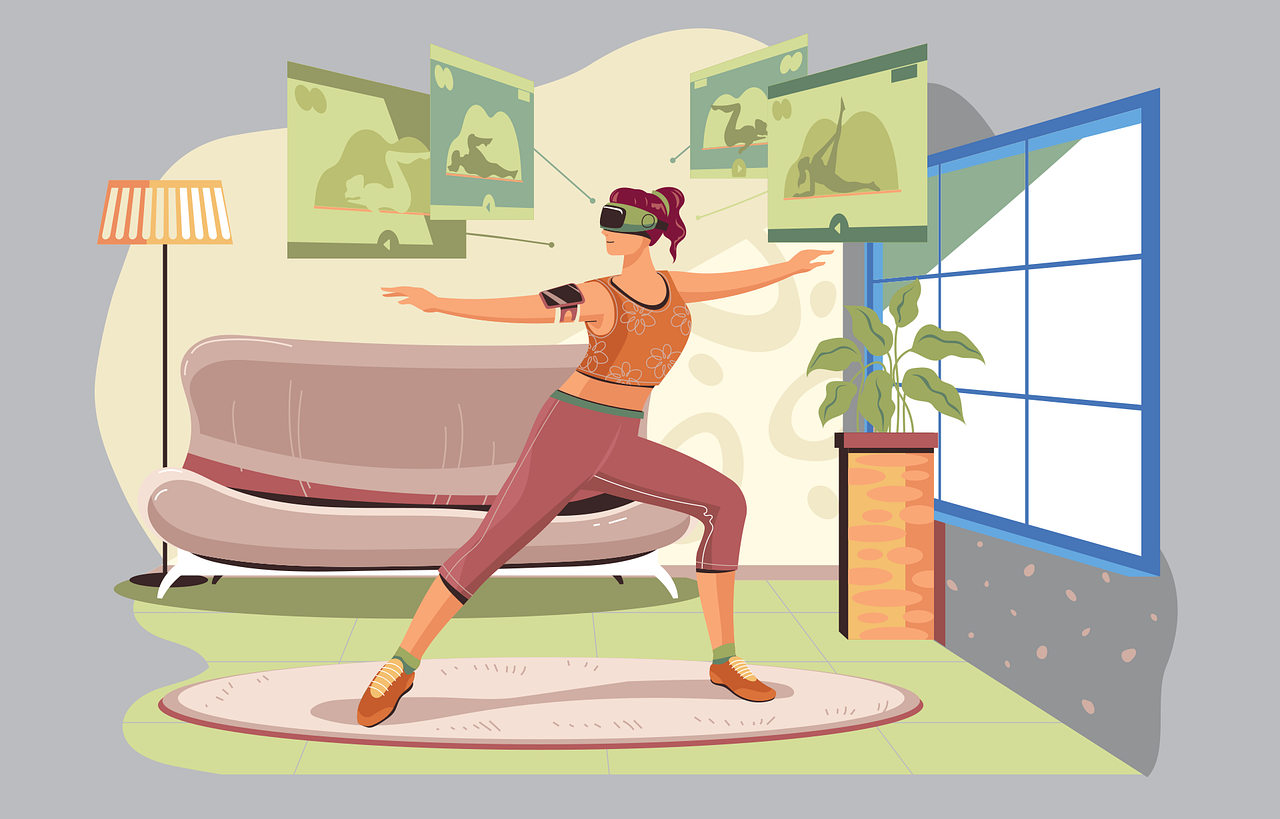
Virtual reality (VR) fitness apps have gained traction, providing unique workout experiences that tempt fitness enthusiasts. Unlike traditional applications designed for tracking workouts and nutrition, VR fitness apps immerse users in interactive environments, thereby enhancing their motivation and engagement. The blend of gamification and physical activity serves to alleviate boredom often associated with workout routines. Users perform exercises through engaging scenarios that transport them into digital worlds, making fitness feel like a game rather than a chore. Popular VR fitness apps include Beat Saber, Supernatural, and BoxVR, each offering diverse workouts tailored for various fitness levels. By leveraging cutting-edge technology, these applications facilitate a more dynamic approach to exercising, adapting sessions based on user preferences. The adaptability of VR fitness apps is central to their success, allowing individuals to balance intense workouts while enjoying immersive experiences. As this technology continues to evolve, its potential to revolutionize personal fitness programs expands, opening doors to creative ways of maintaining physical health. Exploring the features of These applications will be beneficial for anyone contemplating incorporating VR workouts into their fitness regimen.
One notable player in the VR fitness market is Beat Saber, which combines rhythm and movement in a unique format that makes exercising enjoyable. While many users enjoy the energetic atmosphere it creates, they effectively get cardio workouts without feeling the strain of traditional exercises. In this game, users slice through blocks with lightsabers in sync with the music, offering both a full-body workout and a fun experience. Many users appreciate its customizable options, which allow them to adjust the game’s intensity and select their favorite music tracks. Supernatural leverages similar principles but differentiates itself with various workout styles such as boxing, dancing, and more. It employs a subscription model, which provides access to new content regularly. Users benefit from guided workouts that involve personal trainers offering motivation along the way. BoxVR focuses primarily on boxing-inspired workouts, which integrate music and pacing to keep users engaged. Each of these applications offers something distinct, catering to different preferences and fitness levels while pushing towards enjoyable workout sessions.
User Experience in VR Fitness
User experience (UX) in VR fitness apps plays a crucial role in determining their effectiveness and overall appeal. Many users are drawn to applications that provide seamless navigation and intuitive controls, ensuring ease of access to various workout options. A well-designed interface minimizes distractions, allowing users to focus solely on their exercises and goals. Additionally, users appreciate social components enriching their journeys, such as challenges with friends, leaderboards, and community interactions. When combined, these elements foster a sense of competition and camaraderie that motivates continued engagement. Quality graphics and sound further enhance the immersive aspects, making workouts more enjoyable. Some developers constantly iterate on UX based on feedback, ensuring that the latest versions include enhancements. Frequent updates to implement new features and address shortcomings reflect the commitment of these apps to user satisfaction. In understanding and improving user experience, developers generate lasting loyalty among their clientele, who find their workouts increasingly engaging. Such dedicated responses to user feedback ensure that the apps remain at the forefront of fitness technology, continuously revolutionizing how people achieve fitness goals.
Fitness tracking capabilities are often integrated within VR fitness applications, allowing users to monitor their progress effectively. Keeping tabs on calories burned, time spent exercising, and performance metrics is essential for individuals seeking to improve their fitness. Supernatural excels in this regard, providing users with comprehensive performance analytics that detail their outcomes over time. These statistics help reinforce a user’s commitment to consistent exercise, pushing individuals toward achieving their fitness goals. Moreover, this data is visually represented through graphs and comparisons, allowing users to understand their progress better. Continuous tracking and encouraging feedback elevate the user experience, making workouts feel rewarding. Understanding which areas require improvement sparks motivation for some users, pushing them toward exploring new workout routines for better results. Furthermore, some applications offer rewards or achievements, providing a gamified approach to reaching goals that drive user engagement. Users appreciate these motivational factors that come from measurable progress, which turns their health journey into a worthwhile adventure. Integrating effective tracking features can significantly enhance users’ overall experience, thus creating a fulfilling path to health and fitness.
Community Engagement in VR Fitness Apps
Community engagement is a substantial advantage of many VR fitness apps, promoting connections among users that extend beyond solitary workouts. Engaging with like-minded individuals fosters a supportive environment that encourages accountability. These communities often share tips, workout success stories, and personal experiences, enhancing the motivation of other members. Many applications offer forums and social platforms where users can discuss their journeys, exchange ideas, and find workout partners. Additionally, some apps like Supernatural host live classes where participants can join group workouts with their friends or family, fostering a sense of community and camaraderie. Competing in challenges along with fellow enthusiasts encourages motivation, allowing users to enhance their performance continually. These social features significantly elevate the workout experience. Users looking for community interaction are more likely to stay committed to their fitness journeys, helping them achieve their objectives while enjoying the process. Creating a rich community element within VR fitness apps can be an influential tactic to drive engagement and maintain long-term user satisfaction and retention, ensuring members remain committed to their fitness goals.
As VR technology advances, its impact on fitness apps is expected to grow, leading to ever-evolving workout experiences. Developers are constantly working on new features that incorporate artificial intelligence and machine learning, tailoring workouts to meet individual user needs and preferences. For example, customized routines could adapt continuously based on performance, providing a personalized fitness pathway that maximizes results. This personalization will help individuals progress while keeping workouts lively and stimulating. Further advancements may also incorporate augmented reality elements, merging real-world environments with virtual workouts that allow even more immersive experiences. Gamification continues to play a pivotal role, offering rewards and achievements to keep users motivated as they work toward their fitness goals. The synergy of various technologies fosters a unique landscape for VR fitness apps. Expect to see enhanced cross-platform capabilities, allowing users to connect and share experiences across multiple VR headsets and platforms. By staying informed about industry trends, users can choose applications that resonate with their fitness aspirations, leading to optimized outcomes as they explore their full potential through innovative VR experiences.
Conclusion
In conclusion, virtual reality fitness apps present an engaging and effective approach to achieving fitness goals while breaking from conventional workout routines. With a plethora of applications available in the market, users can choose from various features that suit their preferences. The balance between entertainment and fitness is crucial to sustaining motivation. Social components and community engagement empower users, further enhancing the overall experience. As technology continues to develop, innovations within VR fitness apps will likely expand, providing new ways to enhance health and fitness engagement. Ultimately, individuals can benefit enormously from integrating VR workouts into their routines, as users find themselves enjoying fitness like never before. Participating in workouts that feel more like games provides endless motivation, pushing individuals toward better health outcomes. Staying committed to fitness becomes easier in immersive environments designed to challenge and excite. As enthusiasts embrace this new era of fitness technology, the journey toward improved well-being is more thrilling and enjoyable than ever, making VR fitness apps an essential part of modern exercise culture. Consequently, people seeking effective fitness solutions should explore various VR applications and discover which best align with their personal fitness journeys.
This is a final note on the importance of virtual reality fitness applications in today’s health landscape. VR technology facilitates a fun and engaging pathway, enabling users to break away from monotonous workout routines. By embracing these innovations, fitness enthusiasts can explore limitless possibilities for achieving their health goals. The burst of creativity brought into workouts from gamification elements ensures that users remain attentive and excited. A community exists for support and challenges, which in turn fosters accountability as individuals undergo their fitness journeys. Users are encouraged to step outside their comfort zones, test their capabilities, and see effective results. Continuous advancements in technology will only strengthen this field, paving the way for groundbreaking fitness applications that provide catered solutions. As VR fitness apps grow, new trends emerge that redefine conventional approaches to exercise and motivation. From interactive features and progress tracking to enhanced user experiences, the potential advantages are vast. Therefore, now is an exciting time for individuals interested in exploring fitness through virtual reality technologies.