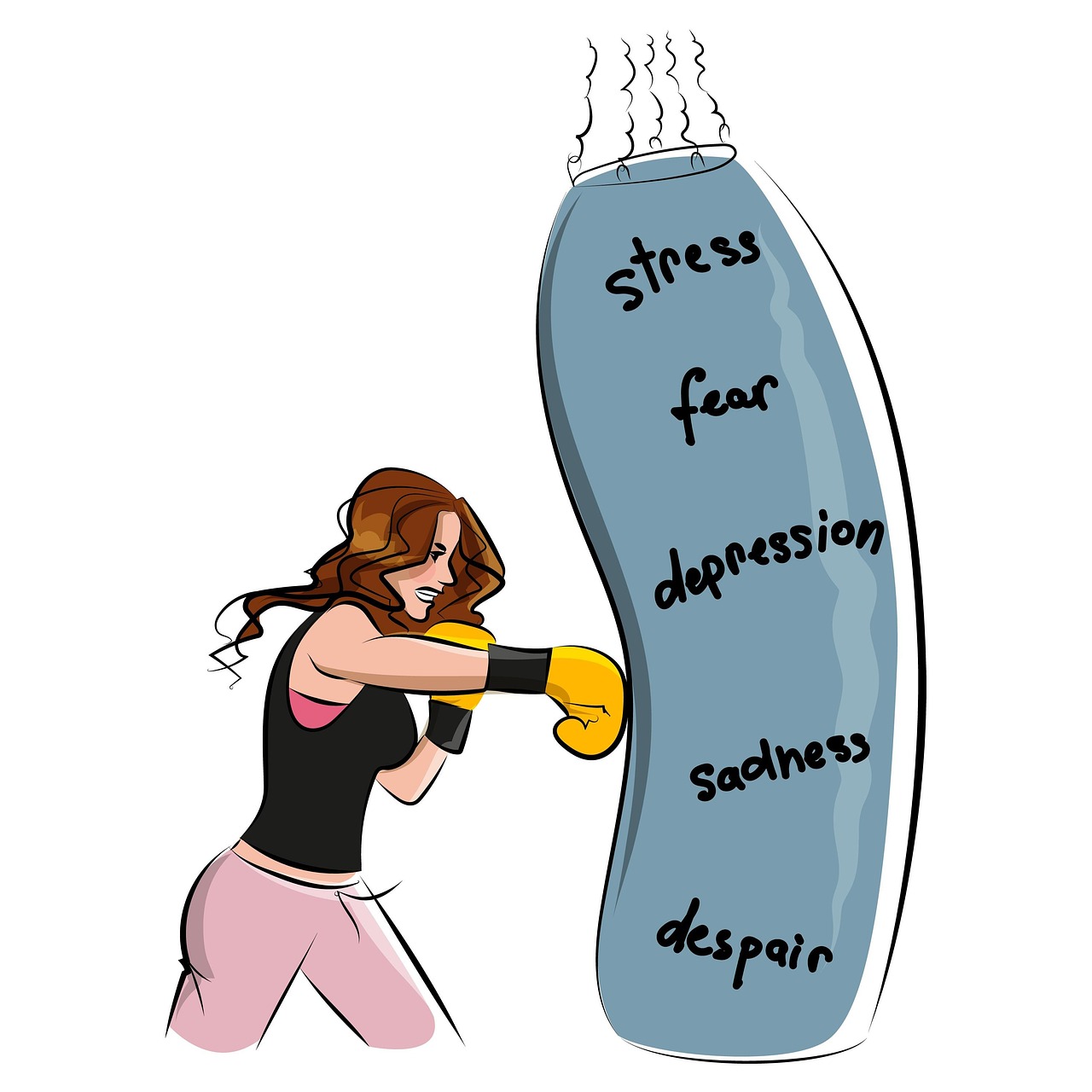

How to Avoid Burnout with Proper Recovery Strategies
Strength training is an excellent way for individuals to enhance their physical performance, but improper recovery can lead to burnout and injuries. Implementing effective recovery strategies is crucial for athletes and enthusiasts to stay on track and maintain progress. Adequate recovery not only improves muscle repair but also enhances strength gains and reduces fatigue. Among the many strategies, rest days, nutrition, hydration, and sleep play pivotal roles. Recognizing when your body needs a break is key to avoiding burnout and ensuring long-term success in strength training. Regular reflection on your training intensity and frequency can help identify periods where adjustment is needed. A systematic approach to recovery can transform your routine, ultimately allowing for improved performance during workouts. Avoiding burnout not only improves your physical health but also positively impacts mental well-being. Therefore, prioritizing rest and employing scientific-based recovery methods are indispensable aspects that everyone involved in strength training should consider. Be proactive about your recovery processes to ensure lasting success and enjoyment in your strength training journey.
Understanding Recovery Methods
To appreciate the significance of recovery in strength training, one must first familiarize themselves with diverse recovery methods. Strategies such as active recovery can significantly contribute to gradual fatigue reduction and muscle relaxation. Active recovery involves low-intensity activities post-workout that help maintain blood flow to muscles, reducing soreness. Another excellent strategy is incorporating foam rolling or self-myofascial release. This method can work on the fascia and trigger points, further aiding muscle recovery. Additionally, dynamic stretching after workouts can facilitate improved mobility, which is extremely beneficial. Nutrition also plays an integral role in effective recovery. Consuming adequate amounts of protein post-exercise provides the necessary building blocks for muscle repair. Hydration is just as vital; ensuring the body is properly hydrated aids in the prevention of cramps and fatigue. As you work on understanding these recovery strategies, remember that individual responses to recovery vary, and personalizing your approach increases effectiveness. Always seek to create a holistic recovery plan that amalgamates various methods for a comprehensive and beneficial strength training experience. Make recovery an essential component of your training routine for optimal results.
Listening to your body during recovery periods can yield significant benefits in all aspects of strength training. Many individuals take pride in pushing their physical limits; however, this approach can increase the risk of injuries or burnout over time. Being aware of warning signs such as fatigue, decreased performance, or general malaise is critical in determining when to rest. Implementing body awareness techniques can assist in recognizing these signs early. Additionally, utilizing gentle yoga or meditation can help soothe the mind while allowing the body to unwind. Pay attention to how your body feels during and after workouts, adapting your routines based on your unique needs. Reflection and mindful practices foster improvement in your overall strength training process. Prioritizing mental health during recovery days is equally essential, as maintaining balance between mind and body contributes to overall progress. Overtraining syndrome is a significant risk for those who neglect recovery. By taking proactive measures to incorporate rest into your training plan, you will be setting a solid foundation for not only performance but also enjoyment of strength training in the long run. Cultivating a conscious approach to recovery sets the stage for sustainable success.
The Role of Nutrition in Recovery
Nutrition plays a fundamental role in recovery, serving as the primary building block for muscle rest and repair. The body needs proper fuel, particularly post-exercise, to restore glycogen levels and reduce protein breakdown. Carbohydrates consumed after workouts assist in replenishing energy stores, while protein supports muscle growth and recovery. Aim for a balanced meal that contains a combination of both; the ratio of carbohydrates to protein should typically be 3:1 for optimal recovery. Including sources of healthy fats supports hormone production and overall well-being. Moreover, staying well-hydrated is equally crucial as sipping on water or electrolyte beverages can enhance functionality. During recovery phases, integrating nutrient-dense meals packed with vitamins and minerals further optimizes the body’s healing process. Antioxidants found in fruits and vegetables protect against the stress of daily workouts. Also, consider timing your meals and snacks appropriately for maximum benefit. Listening to your body’s cues regarding hunger can guide you in optimizing nutrition before, during, and after training. Thoughtful nutrition promotes faster recovery, improved energy levels, and thus enhances your strength training experience overall.
Many people overlook the basics of sleep, yet it is one of the most critical components of effective recovery in strength training. While it’s easy to find time to work out, prioritizing sleep can often fall by the wayside. Research indicates that 7 to 9 hours of quality sleep per night is optimal for muscle recovery and growth. During sleep, the body undergoes repair processes, including hormonal balance and muscle rebuilding. Pay special attention to your sleep environment; creating a conducive atmosphere can significantly improve sleep quality. This includes keeping the room dark, quiet, and cool while eliminating screens at least an hour before bedtime. Establishing a consistent sleep schedule can also help regulate your internal clock. Incorporating relaxation techniques such as reading or meditation before bed may also enhance the quality of rest. Exploring supplements like melatonin can assist those who struggle with sleep onset. Remember, sleep is essential not just for physical well-being but also mental clarity and focus during workouts. By optimizing sleep habits, you enhance your potential for maximum recovery and sustained progress toward strength training goals.
Incorporating Recovery Days
Deliberately scheduling recovery days within your strength training regime is essential for sustainable progress. Some individuals might feel guilty taking breaks from intense workouts, yet it is a necessary strategy for safety and performance. Experts recommend at least one to two rest days per week, allowing your muscles time to repair and rebuild effectively. Instead of complete inactivity, consider engaging in light activities such as walking, cycling, or Yoga. Such activities promote circulation without putting stress on your muscles. This practice can keep you active while still allowing recovery to take place. Use recovery days to also focus on mobility exercises that enhance flexibility and reduce the likelihood of injuries as you train. It’s important to view these rest days not as time lost, but as an investment in your overall fitness. As you become familiar with your personal recovery needs, you can empower yourself to make smarter training decisions in the future. Recognizing and implementing dedicated recovery days in your routine fosters resilience, enhancing long-term strength training outcomes.
Lastly, consider seeking professional guidance for tailored recovery strategies tailored to personal goals in strength training. Strength coaches and trainers who specialize in recovery can provide insights that enhance your understanding of your body and how it responds to different stimuli. Personalized training programs take into account individual fitness levels, preferences, and unique recovery needs. Furthermore, professional assessments and feedback can aid in evaluating strengths and weaknesses in form and technique. Collaborating with experts can also yield different perspectives and innovative strategies to keep your training fresh and enjoyable. Look for educational resources and workshops focusing on recovery methods relevant to strength training. Books, online courses, or webinars can enrich your knowledge and empower you to create a recovery plan that you can trust. Exploring community support through gyms or online strength training groups can enhance motivation and accountability. As you seek to optimize your recovery processes, remember that the journey is about more than lifting weights; it’s about fostering a balanced approach to physical fitness and overall health. Make informed decisions today for lasting success in your strength training endeavors.