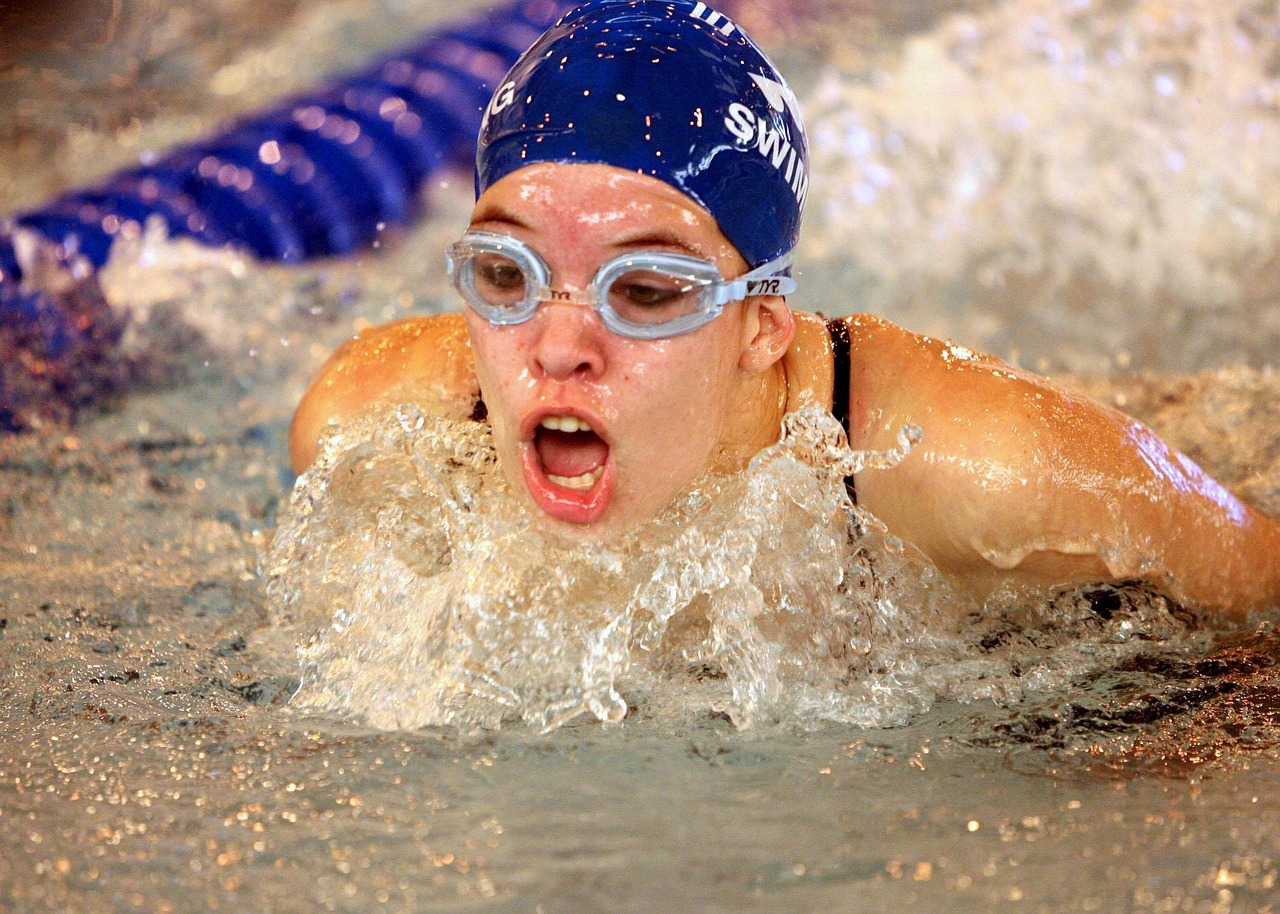

Tracking and Improving Stroke Rate in Swimming Workouts
Swimming is a complex sport requiring a blend of technique, endurance, and speed focused on various elements, including stroke rate. Tracking stroke rate during workouts is vital for swimming efficiency. The stroke rate, measured by the number of strokes taken per minute, profoundly impacts a swimmer’s performance. Increasing the stroke rate can lead to faster times if executed properly. However, it is essential not to compromise stroke technique while aiming for higher rates. Balancing the two is the key to efficient swimming. Regular practice allows swimmers to develop a sense of rhythm that facilitates a consistent stroke rate. A few common methods to track stroke rate involve using a stopwatch, swimming watches, or even using smartphone apps designed for swimmers. Each of these methods provides valuable feedback that can enhance training sessions. By monitoring stroke rate, it’s possible to set personal goals and create tailored workouts designed to improve speed. Ultimately, incorporating practices such as focusing on stroke efficiency will also contribute to overall performance enhancements during competitive swims. Developing an efficient technique is crucial for swimmers aiming to reach their full potential in the pool.
Why Stroke Rate Matters
Understanding why stroke rate is critical for swimmers can significantly impact training results. The stroke pace not only influences speed but also dictates how energy is utilized over longer distances. When swimmers improve their stroke rate while maintaining proper technique, they often find themselves more efficient in the water. A higher stroke rate can help combat fatigue in longer events, allowing swimmers to conserve energy. This conservation can be crucial when competing across multiple events. Coaches emphasize the importance of a strong stroke to sustain speed while promoting a quicker turnover. Proper body positioning must accompany higher rates to prevent drag. Swimmers must work on their kick and body alignment to support this change effectively. Daily drills focusing on body roll, streamline positioning, and kick strength can enhance overall performance. Swimmers often benefit from varying their stroke rates during practice to find the optimal pace. Experimentation enables them to discover the rate most effective for their distance and style. Developing a comfortable rhythm is immensely beneficial, making the process of accelerating more natural during race conditions. This rhythm becomes second nature, improving competitive swimming performance overall.
Incorporating technology into swimming workouts can greatly assist in tracking and improving stroke rate. Wearable devices like fitness trackers or smartwatches specifically designed for swimmers provide real-time feedback on various metrics. These devices often include heart rate monitors, lap counters, and stroke rate measurement features. By consistently analyzing data from these devices, swimmers can identify areas for improvement and adjust their training accordingly. For instance, a swimmer may notice their stroke rate drops significantly as they tire, indicating a need for better endurance training. Online platforms often allow users to share their data with coaches or training partners, enhancing accountability in the process. This data-sharing can help swimmers stay motivated and informed on their progress. Moreover, video analysis offers another perspective; recording practice sessions allows swimmers to visually assess their stroke technique and rate. Coaches can provide more targeted advice based on these visual assessments. Utilizing these advanced tools fosters a deeper understanding of stroke dynamics and its relationship with speed and efficiency. Making adjustments based on this feedback becomes easier, enabling swimmers to take ownership of their training routines as they advance toward their personal goals.
Different swimming styles may require unique considerations regarding stroke rate. For instance, sprinters may focus on maximizing their stroke rate for short distances, emphasizing powerful strokes. In contrast, long-distance swimmers may find a steadier stroke rate more beneficial, enabling them to sustain energy over greater distances. Understanding these nuances is essential for swimmers to adjust their training effectively. Coaches often guide athletes in finding the most appropriate stroke rate tailored to their style and event distance. Varying drills and sets can be instrumental in honing these skills. For example, practicing fast-paced intervals can train swimmers to increase their stroke rates without sacrificing efficiency. Additionally, swimmers can engage in drills focusing specifically on body mechanics and rhythm. In turn, this practice can help athletes establish optimal rates better suited for competitive events. Providing swimmers with constructive feedback is essential in determining which strategies work best for them. Experimentation allows for discovering a personalized approach to stroke development. As a result, swimmers can evolve their training to adapt their approaches to maximize stroke rate in various competitive situations and training environments.
Rest intervals are another critical component of training sessions when focused on stroke rate. Athletes often underestimate the significance of adequate recovery time amid rigorous practice. Well-timed breaks enhance performance by allowing swimmers to perform at optimal stroke rates consistently. Implementing structured intervals can help in maintaining a sustainable pace during practice sessions. For example, incorporating brief rest periods within sets enables a swimmer to recover and maintain peak performance levels effectively. Swimmers can experiment with different rest intervals to determine what works best for maximizing stroke rate during competitions. The importance of adjusting workload through alternating high-intensity sets and recovery cannot be overstated. This balance allows a swimmer to develop both muscular endurance and speed. Moreover, enhancing technical aspects of swimming must also encompass recovery practices. Coaches may encourage athletes to listen to their bodies, taking additional recovery days if needed. This approach ensures that athletes remain fresh and ready for each training session. In turn, this focus on recovery allows swimmers to push their limits without leading to burnout. Understanding the relationship between training intensity, technique, and recovery is essential in optimizing stroke rate improvements effectively.
Feedback from coaches and training partners can play an essential role in developing an optimal stroke rate. Structured feedback loops can enhance a swimmer’s understanding of their performance. Regular check-ins during workouts allow for real-time adjustments to technique or stroke count. Understanding the nuances of the stroke rate can best be accomplished with experienced advisors guiding the process. Coaches may utilize both verbal cues and visual demonstrations to communicate effective techniques. For instance, demonstrating an efficient stroke mechanics can help swimmers adjust their own strokes in real-time. Feedback can also be augmented by technology, as previously mentioned. Video recordings present an excellent tool for self-reflection. Swimmers have the opportunity to observe their performance critically. With meticulous analysis, they can refine their stroke mechanics to improve their overall rate and efficiency. Encouragement from training partners can boost motivation and foster a sense of camaraderie in the pursuit of common goals. Practicing alongside peers can create a collaborative training environment, where athletes can learn from each other. This influence strengthens their shared commitment to improving stroke rates and overall performance in competitions.
In conclusion, tracking and improving stroke rate is a multifaceted approach in swimming workouts. Combining feedback from coaches, wearable technology, and structured practice regimens underscores the importance of this skill. Swimmers must focus on understanding their unique requirements based on individual styles and race distances. Correctly identifying the optimal stroke rate through strategic drills enhances efficiency in the water. Coaches and training partners are invaluable resources during this process, providing essential insights on technique and form. Additionally, adequate recovery and well-timed rests are vital in maximizing performance capabilities. This ensures swimmers can maintain their efforts without succumbing to fatigue. Establishing a balance between stroke rate, technique, and rest is fundamental to achieving goals. With a commitment to continuous improvement, swimmers can effectively elevate their performance and reach their potential in competitions. Ultimately, tracking stroke rate transforms an athlete’s approach to training, facilitating personal growth and advancement in the competitive swimming realm. By working collaboratively, athletes can share experiences and learn from one another, solidifying the supportive nature of the fitness community in swimming.