
Importance of Hydration During Post-Cesarean Exercise
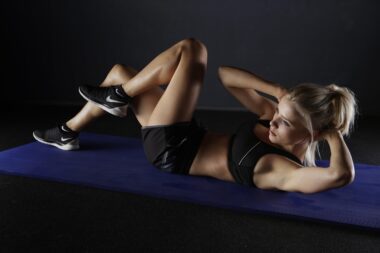
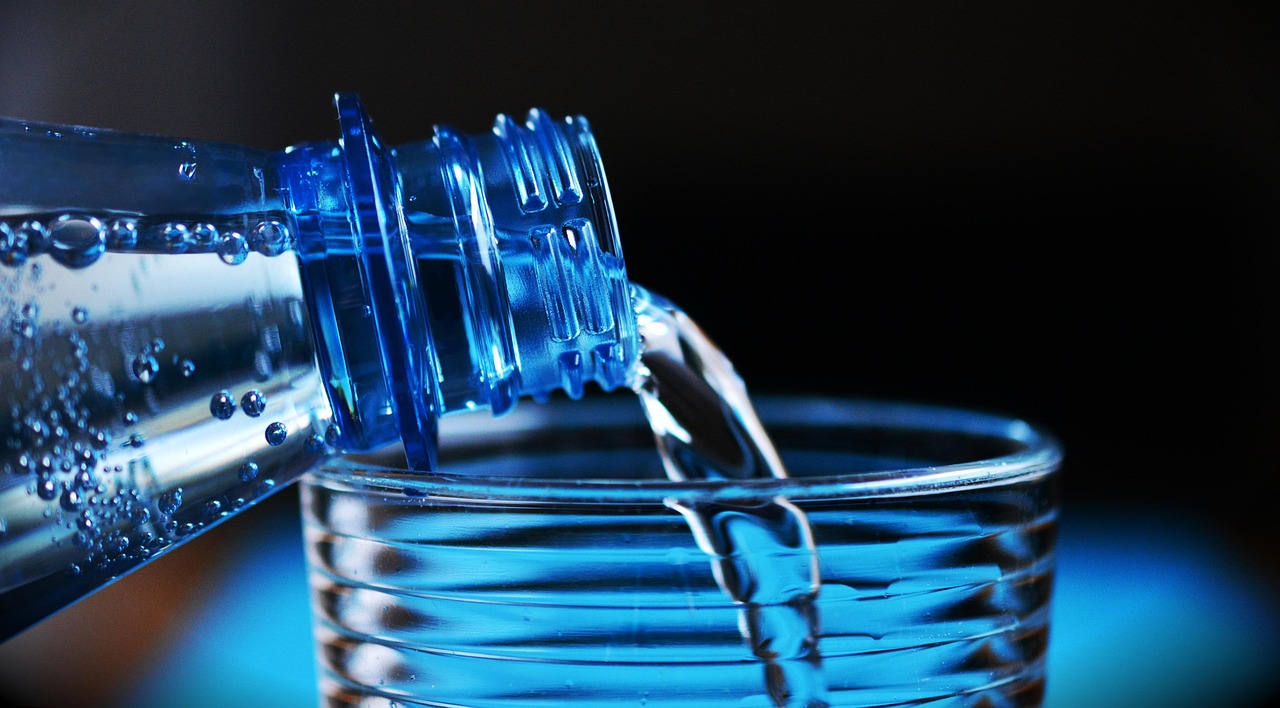
After a cesarean delivery, the body undergoes significant changes that require careful attention, especially regarding hydration. Adequate water intake is essential for postpartum recovery, as it aids in healing and overall well-being. Additionally, proper hydration supports milk production for breastfeeding mothers. Engaging in physical activity post-cesarean is vital for regaining strength and fitness, but it is crucial to ensure that the body is well-hydrated to facilitate these workouts. Dehydration can lead to fatigue, dizziness, and decreased performance, which may discourage new mothers from sticking to their fitness plans. Therefore, drinking water before, during, and after exercise is paramount to ensure optimal recovery and energy levels. Nutrition also plays a role; consuming foods high in water content can further assist hydration efforts. Incorporating fresh fruits, vegetables, and soups into one’s diet is recommended. New moms should be mindful of their hydration needs during this crucial recovery period. It’s beneficial to carry a water bottle during workouts to remind oneself to drink regularly and meet hydration goals effectively.
How to Stay Hydrated
Understanding how to maintain proper hydration is fundamental during post-cesarean workouts. First, set hydration goals based on activity level and personal needs. Aiming for at least 8-10 cups of water daily is a solid start, but activity levels will require more. Keeping a water log can help track intake and encourage drinking more frequently. Before workouts, it’s advisable to drink at least 16-20 ounces of water to prepare the body. Continuous sipping during exercise helps maintain fluid levels and keeps energy up. After workouts, refuel with 20-24 ounces of water to replenish lost fluids. Additionally, considering hydration-enhancing options like coconut water or electrolyte-replenishing drinks can be beneficial. Monitoring the color of urine is an effective method to gauge hydration status; pale yellow indicates proper hydration, while dark yellow signals the need for more fluids. New mothers should also listen to their bodies and adjust water intake based on thirst and overall well-being. Wearing breathable and light clothing during workouts can also help prevent excessive sweating and dehydration.
Addressing the common myths surrounding hydration during postpartum exercise is essential. Many believe that drinking water excessively may lead to bloating or discomfort, which is not true when consumed appropriately. Adequate hydration can prevent issues unrelated to fluid intake, such as digestive problems. New mothers may have concerns regarding fluid retention, but hydration can actually help to flush out excess sodium and toxins from the body. It’s also worth noting that some might feel hungry when dehydrated, misinterpreting their body’s signals. To avoid this confusion, keeping well-hydrated can prevent unnecessary snacking or overeating. It’s not advisable to wait until feeling thirsty to drink, as this can lead to dehydration. Furthermore, have healthy snacks nearby during workouts not just to satiate hunger but to also ensure regular nutritional intake. A balanced diet consisting of whole grains, lean proteins, healthy fats, and plenty of fruits and vegetables will support workout efforts. Incorporating a hydration routine into daily life can streamline this process. Hydration does not have to feel overwhelming; it can be integrated into existing habits easily.
The Role of Breastfeeding
Hydration plays a pivotal role when it comes to breastfeeding mothers amidst their postpartum fitness journey. Breastfeeding can increase hydration needs significantly, as women lose fluids through milk production. Therefore, staying adequately hydrated is vital for maintaining milk supply and supporting the baby’s growth. Doctors often recommend increasing fluid intake to 12-13 cups per day for breastfeeding mothers while also considering individual needs. Mothers can further support lactation by consuming fruits and vegetables with high water content. Foods like cucumbers, strawberries, and watermelons serve this dual purpose. Incorporating versatility into the diet can also help avoid monotony while staying hydrated. Additionally, timing water intake with breastfeeding sessions creates a natural routine, ensuring mothers drink enough fluids throughout the day. Keeping a dedicated container for water near feeding areas can serve as a reminder to hydrate. New mothers juggling fitness and motherhood can also share hydration tips with fellow moms for encouragement. Engaging in group workouts can help build a support system around hydration and exercise as they navigate postpartum changes together.
Postpartum workouts don’t just focus on physical recovery; they also encompass mental well-being. Research suggests that hydration has a profound effect on mood and energy levels, which is crucial for new mothers battling postpartum blues. Exercise naturally boosts dopamine and serotonin levels, fostering a positive mindset, while hydration ensures that these processes occur optimally. Fatigue and irritability may be exacerbated by dehydration, making it fundamental to prioritize water intake not only for physical performance but also for mental clarity. Staying active while adequately hydrated creates a more pleasant workout experience, thus encouraging consistency. Additionally, with fitness activities becoming more manageable and enjoyable, mothers might find themselves motivated to make healthy choices for themselves and their families. Engaging in community groups that focus on health and fitness can reinforce these habits. Mothers should celebrate small milestones in their fitness journeys, such as increasing their water intake. A supportive environment is essential for maintaining motivation, and being around others with similar goals can help foster a positive atmosphere around hydration.
Finally, understanding the long-term benefits of hydration during post-cesarean workouts can alter one’s perspective on fitness. Regularly drinking enough fluids can lead to improved recovery times, enhanced physical performance, and a better overall fitness experience long after childbirth. Hydration promotes joint lubrication and helps maintain blood volume, ultimately leading to improved cardiovascular health. Maintaining these habits during postpartum workouts can create an innate sense of self-care, benefiting both mother and baby. As fitness becomes ingrained in daily routines, the effects of hydration extend beyond exercise sessions to everyday life. Staying hydrated can contribute to long-lasting energy levels that are vital for busy mothers. It is essential to adopt healthy hydration practices early on, embedding them in daily habits. Adulting can sometimes lead to past neglect of basic necessities, but prioritizing hydration serves as a reminder to nurture oneself as much as the new child. Each sip empowers mothers in their journey towards reclaiming strength and confidence after cesarean delivery, ultimately reinforcing the importance of hydration during these transformative times.
In conclusion, maintaining hydration during post-cesarean fitness journeys is not just a health choice; it is an invaluable aspect of recovery and strength-building post-delivery. Adequately hydrating supports various critical functions within the body, from milk production to enhancing overall well-being. New moms should make hydration a priority as they embark on their fitness adventures post-surgery. Finding creative ways to incorporate water intake into their daily activities can further solidify hydration practices. Activities such as family walks and peer group exercises can ensure mothers have opportunities to stay active while motivating one another to hydrate. As they navigate through physical recovery, mothers should acknowledge their personal needs and adjust their routines accordingly. Community support plays a crucial role in this journey, creating an encouraging environment where moms motivate each other. Hydration should thus be considered a foundational element of postpartum fitness. These efforts contribute to an empowered motherhood experience, aiding in optimal physical recovery and mental wellness. By prioritizing hydration, new mothers are likely to rediscover their vitality and health.
Postpartum workouts don’t just focus on physical recovery; they also encompass mental well-being. Research suggests that hydration has a profound effect on mood and energy levels, which is crucial for new mothers battling postpartum blues. Exercise naturally boosts dopamine and serotonin levels, fostering a positive mindset, while hydration ensures that these processes occur optimally. Fatigue and irritability may be exacerbated by dehydration, making it fundamental to prioritize water intake not only for physical performance but also for mental clarity. Staying active while adequately hydrated creates a more pleasant workout experience, thus encouraging consistency. Additionally, with fitness activities becoming more manageable and enjoyable, mothers might find themselves motivated to make healthy choices for themselves and their families. Engaging in community groups that focus on health and fitness can reinforce these habits. Mothers should celebrate small milestones in their fitness journeys, such as increasing their water intake. A supportive environment is essential for maintaining motivation, and being around others with similar goals can help foster a positive atmosphere around hydration.