
The Role of Vitamin D in Combating Seasonal Affective Disorder
Vitamin D is an essential nutrient that plays a significant role in various bodily functions, including mood regulation and mental health. Seasonal Affective Disorder (SAD) is a type of depression that occurs at certain times of the year, typically during the fall and winter months when sunlight exposure is minimal. Many people experience dreadful symptoms during this period, leading to unhappiness, fatigue, and difficulties in concentrating. Research suggests that low levels of vitamin D may be linked to higher incidences of SAD. Interestingly, vitamin D influences neurotransmitters like serotonin, which significantly impact mood. A deficiency in vitamin D can result in lower serotonin levels and may thus contribute to depressive symptoms. Supplementing vitamin D can be an effective strategy to help mitigate these issues. Increasing your sun exposure during sunny days or considering vitamin D supplements could provide considerable benefits. Consulting healthcare professionals for proper vitamin D dosage is essential to achieve optimal results. It’s crucial to remember that while vitamin D can help relieve symptoms, it should not replace conventional treatments for mental health conditions.
In addition to its potential benefits for combating Seasonal Affective Disorder (SAD), vitamin D offers several other advantages for overall health. One notable function is its role in supporting the immune system, which becomes increasingly important during the cold months when infections are more prevalent. A strong immune system can help you fend off respiratory infections, flu, and colds, which often become problematic in winter months. Moreover, vitamin D has been associated with enhancing bone health by promoting calcium absorption, thereby reducing the risk of osteoporosis. Additionally, there are studies indicating that adequate vitamin D levels can contribute to improved muscle strength and function. This can be particularly beneficial for older adults, who are more susceptible to falls and injuries. Furthermore, some emerging research suggests that vitamin D may play a role in reducing inflammation in the body, which can be beneficial for chronic conditions. As we approach the winter months, ensuring adequate intake of vitamin D through sunlight, diet, and supplements is paramount for overall well-being. Balancing these sources can help support both mental and physical health throughout the year.
Sources of Vitamin D
For individuals looking to increase their vitamin D intake, several dietary sources are available that can help fulfill daily requirements. Fatty fish, such as salmon, mackerel, and sardines, are among the richest natural food sources of vitamin D. In addition to fish, fortified foods like milk, cereals, and orange juice can also contribute significantly to your daily vitamin D intake. Another excellent source of vitamin D is egg yolks, which, while often overlooked, contain a moderate amount of this essential nutrient. Notably, individuals living in regions with limited sunlight may find it more challenging to meet their vitamin D needs through food alone. Therefore, supplements can be an effective way to ensure adequate levels are maintained throughout the year. It’s important to choose high-quality supplements and follow recommended dosages, as excessive vitamin D intake can lead to toxicity. Consulting with healthcare providers can help establish the right approach, ensuring that both dietary and supplemental intake is tailored for individual needs. Adopting a comprehensive strategy can help maintain optimal vitamin D levels and support mental health throughout the year.
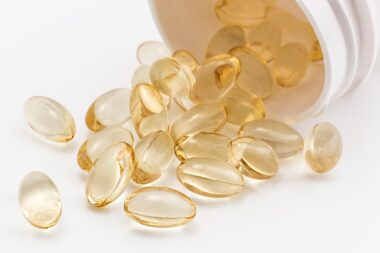
Ensuring that you are getting enough vitamin D is essential not only for your mood but also for your overall health. Ideally, adults should aim for a daily intake of around 600 to 800 IU (International Units) of vitamin D, although individual requirements may vary based on factors such as age, health conditions, and exposure to sunlight. Testing your vitamin D levels through a healthcare professional can provide great insights into your current status. If you are found to be deficient, a doctor may recommend a specific dose of vitamin D supplementation to help correct the deficiency efficiently. Seasonal changes can affect how much vitamin D your body naturally produces, which is why adjusting your intake according to the seasons is crucial. During the winter, when daylight hours are shorter, it may become necessary to rely more heavily on dietary sources or supplements to maintain levels. It’s helpful to monitor both mood and energy levels during these times and adapt your approach accordingly. Your mental well-being should be prioritized, and understanding the link between vitamin D and mood can significantly benefit you.
The Benefits of Sunlight Exposure
One natural way to boost your vitamin D levels is through adequate sunlight exposure. When your skin is directly exposed to sunlight, it produces vitamin D via ultraviolet B (UVB) rays. This process is often the most efficient way for individuals to maintain sufficient vitamin D levels, especially during the warmer months. It’s recommended to aim for about 10 to 30 minutes of sun exposure several times a week, depending on skin type and geographical location. For people living in regions with limited sunlight during winter, window exposure might not be sufficient, making supplementation essential. Additionally, factors like time of day, skin pigmentation, and sunscreens can affect vitamin D synthesis. For instance, lighter skin produces vitamin D more quickly than darker skin. Awareness of these factors can help individuals maximize their vitamin D synthesis during sunny months. Furthermore, staying active outdoors during sunny days can also produce mental health benefits beyond vitamin D. Engaging in outdoor activities or even walking can boost mood significantly, promoting a sense of happiness and well-being throughout the day.
While vitamin D supplementation offers numerous health benefits, it is essential to remember that it should complement, not replace, a healthy lifestyle. Engaging in regular physical activity, maintaining a balanced diet rich in nutrients, and practicing mindfulness can further enhance your mental well-being during challenging months. Activities like yoga or meditation can help alleviate stress and promote relaxation, significantly benefiting those dealing with Seasonal Affective Disorder. Nutritionist recommendations often suggest a diet that includes plenty of fruits, vegetables, whole grains, and healthy fats to support overall health. Additionally, social interactions and connecting with friends or family can tremendously impact emotional health. Incorporating these aspects alongside adequate vitamin D will increase your resilience against SAD and improve your mood more effectively. Furthermore, understanding your mental health needs and seeking professional help when needed can make a significant difference. Each individual is unique, and addressing specific requirements with the right combination of supplements, lifestyle changes, and therapeutic support is crucial for long-term mental well-being.
Conclusion: Embracing Vitamin D for Health
To summarize, vitamin D plays a crucial role in combating Seasonal Affective Disorder and enhancing overall well-being. The potential link between vitamin D deficiency and mood disorders emphasizes the importance of maintaining adequate levels throughout the year. With the correct knowledge of sources and effective supplementation strategies, you can significantly improve your mental health during winter months when symptoms of SAD often peak. Embracing a comprehensive approach that includes safe sun exposure, dietary sources, and appropriate supplementation tailored to individual needs can foster resilience against the emotional challenges brought by seasonal changes. Supporting not just mental health, vitamin D is also vital for physical health and immunity, making it a key nutrient in combatting both seasonal and year-round stressors. Establishing good habits around vitamin D intake will help you navigate seasonal challenges effectively. By remaining proactive about your vitamin D levels and overall well-being, you can ensure that you stay bright and positive throughout the year. Don’t hesitate to consult healthcare professionals for personalized advice and strategies to achieve optimal health.
Furthermore, it’s beneficial to incorporate routine check-ups with your healthcare provider to monitor both vitamin D levels and overall health. Regular assessments can make it easier to identify deficiencies early and adjust dietary or supplemental approaches accordingly. By staying informed and proactive, you are taking significant strides toward improving your mental and physical well-being. Also, engaging in communities that promote healthy living can offer support and encouragement. Connecting with others who share similar health goals enhances motivation and can lead to positive lifestyle changes. Adopting an awareness of the effects of nutrition, exercise, and mental health practices can foster a more holistic approach to wellness. Lastly, remember that self-care is not just a concept but a necessary practice. Prioritize your mental health and vitamin D intake along with other supportive measures to cultivate resilience. Leading with knowledge and compassion toward yourself can empower you for long-term success in navigating Seasonal Affective Disorder and ensuring a brighter, healthier future. In essence, the journey toward well-being is continuous and deserves consistent effort and attention.