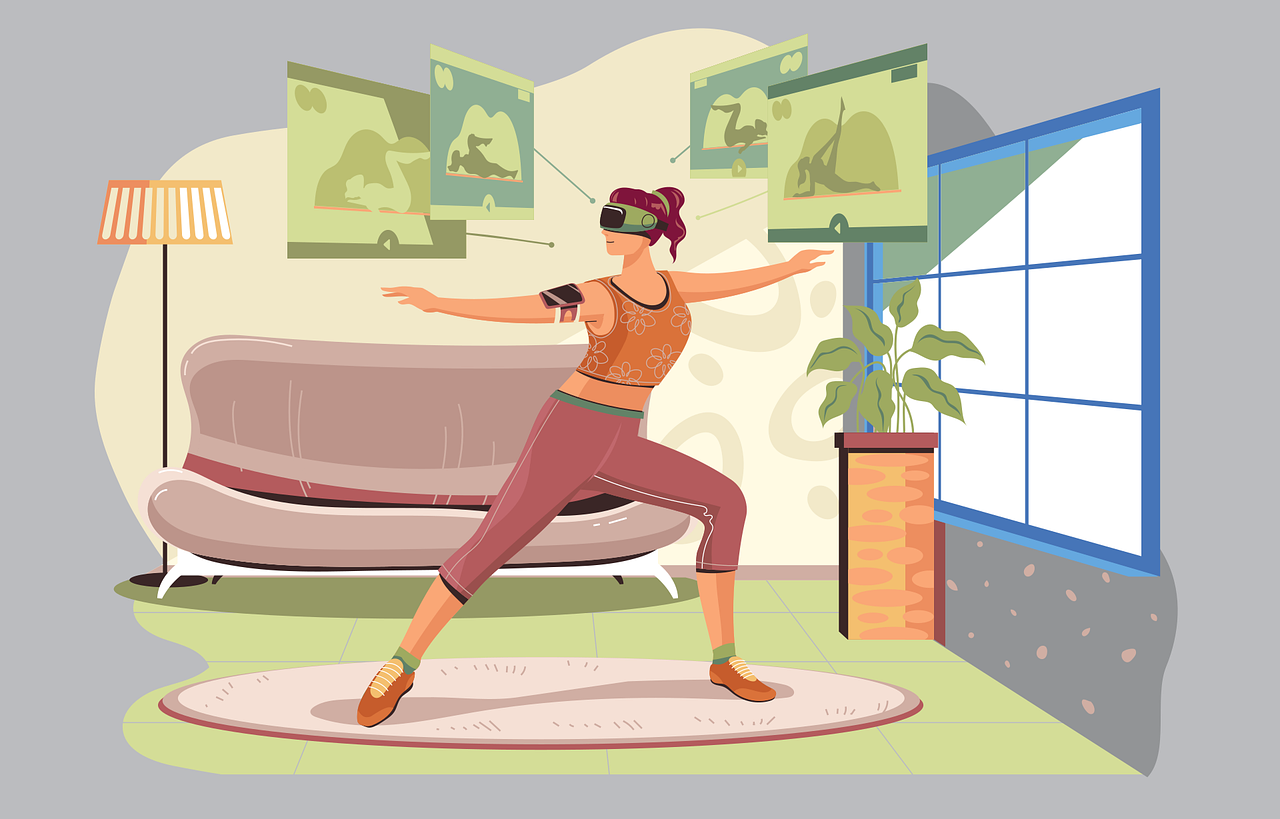

Using Smart Mirrors to Correct Coordination Techniques
In the realm of fitness and rehabilitation, balance training is essential for improving coordination among individuals. With the advancement of technology, smart mirrors have emerged as powerful tools that aid in correcting and enhancing coordination techniques. Smart mirrors are sophisticated devices that use reflective surfaces combined with screens for interaction and feedback. They allow users to practice movements in real time while observing their own performance. As a result, individuals can refine their balance and coordination skills effectively. The integration of these mirrors in training regimes empowers users to make necessary adjustments during workouts, enabling continuous improvement. The visual feedback provided by smart mirrors serves as a catalyst for self-awareness, which is critical for coaches and trainers trying to develop better athletes. Smart mirrors use artificial intelligence algorithms to analyze movements and suggest modifications to improve technique. This technology not only benefits athletes but also individuals recovering from injuries. Utilizing smart mirrors facilitates an insightful training experience that transcends traditional methods, making balance training accessible and engaging for everyone. The innovative approach of combining fitness with technology reshapes the landscape of coordination training and rehabilitation.
Moreover, smart mirrors provide a personalized workout experience tailored to individual needs. Each user can engage with programs specifically designed to enhance their coordination abilities and can track progress over time. The ability to repeat certain exercises and receive instant feedback allows users to pinpoint areas requiring improvement. This benefit is particularly crucial for those in physical therapy, where precise movements can significantly impact recovery. For instance, the technology can highlight discrepancies between intended and actual movements. By guiding users through various exercises, these mirrors foster a sense of independence and confidence while minimizing the risk of injury. Additionally, it benefits users by offering instructional videos or virtual coaching directly on the mirror. Users interact with their reflections, witnessing immediate corrections to their form in a motivating and engaging manner. To ensure optimal results, smart mirrors often support a wide range of exercise modes, accommodating different fitness levels, from beginners to advanced users. Consequently, every session remains dynamic and challenged by ensuring that the training adapts over time as proficiency improves.
The Role of Visual Feedback
Visual feedback plays a pivotal role in enhancing coordination and balance techniques. The immediate reflection of one’s performance encourages users to adjust their postures and movements instantly. This instant correction fosters muscle memory, which is critical for developing coordination and agility. As users observe their techniques and refine them, they build confidence in their abilities. Traditional training methods often lack this immediacy, leading to ineffective practice. With smart mirrors, users receive continuous real-time data about their form and alignment. This data helps them become more aware of their bodies and how they move through space. Additionally, smart mirrors often integrate gamification elements to make the training process enjoyable. By creating a competitive environment, users remain engaged and motivated throughout their workouts, which aids in improving focus and concentration. Enhanced visual engagement stimulated by these devices ensures that users remain attentive to their coordination. This level of interactivity transforms mundane workouts into exciting challenges, where users strive for improvement. Ultimately, visual feedback enhances not only physical performance but also the mental aspects necessary for successful coordination training.
Another significant element of smart mirrors is the inclusion of customizable workout features. Users can modify their training to align with personal goals, focusing on specific aspects of balance and coordination. Consequently, the flexibility offered through these personalized features is invaluable. Setting tailored routines improves user satisfaction and encourages consistency, which is crucial for developing coordination over time. For those undergoing rehabilitation, maintaining motivation can be challenging. Smart mirrors help combat that issue by making exercises enjoyable and providing a sense of achievement through visible progress. The integration of multi-user support further enhances the experience, allowing friends or family members to engage simultaneously. This social aspect adds to the enjoyment of the training process and helps individuals learn from each other. Additionally, smart mirrors often allow coaches and trainers to monitor clients remotely, providing personalized guidance and support regardless of physical distance. The technological advancements break down barriers that typically exist in traditional training environments and foster community and accountability.
Safety and Inclusivity in Coordination Training
Smart mirrors enhance the safety and inclusivity of balance training. Users can practice movements in the comfort of their own homes, reducing the fear of embarrassment or injury in public settings. This accessibility encourages individuals of all ages and fitness levels to engage in exercises designed to improve coordination. As balance and coordination training encompass a wide variety of movements, smart mirrors guide users through proper techniques to prevent injuries. Incorporating safe practice patterns through visual feedback encourages a mindful approach to movement. This emphasis on safety is particularly vital for seniors, who may be more vulnerable to falls and accidents. The immersive and interactive nature of smart mirrors fosters an environment that aids in building awareness of one’s surroundings. Users naturally become more conscious of their postures and stability when they interact with their images. Furthermore, a supportive and guided training environment created by smart mirrors promotes inclusion. Individuals who may feel shy or intimidated in conventional fitness settings can experience the benefits of coordination training without barriers.
In conclusion, the integration of smart mirrors into balance training revolutionizes the approach to improving coordination techniques. By offering immediate visual feedback, personalized workouts, and engaging features, users experience enrichment in their exercise routines. Not only does this enhance physical performance but it also contributes to mental empowerment. The compelling experience transforms traditional training practices, providing unique benefits tailored to every user. As technology continues to evolve, smart mirrors represent a form of innovation that responds to modern fitness needs. They create a dynamic setting that enhances motivation and enjoyment, making users active participants in their training process. Moreover, smart mirrors are paving the way for additional research and development in balance training technology. With continual enhancements in artificial intelligence and machine learning, future iterations of smart mirrors will undoubtedly offer even greater capabilities. This ongoing progress further highlights the importance of technology in health and fitness, particularly as it pertains to balance and coordination. Ultimately, smart mirrors significantly impact both rehabilitation and athletic performance in transformative ways, appealing to anyone looking to improve their physical abilities in a fun and engaging manner.
As the fitness landscape evolves, smart mirrors are establishing themselves as vital tools for both training and rehabilitation. The shift towards technology-driven solutions emphasizes the importance of adaptability in exercise. By embracing innovation, users can harness the power of smart mirrors to transform their coordination training, enhancing their overall fitness experience. The future of balance training is undoubtedly dictated by technology, offering insights and enhancements that traditional methods lack. Individuals are encouraged to explore and incorporate smart mirrors into their routines, realizing their potential to promote effective coordination improvement. Furthermore, the ongoing advancements in technology present unique opportunities for expanding the use of smart mirrors in various fitness contexts. From group fitness classes to home workouts, smart mirrors can address the demand for personalized coaching experiences. As awareness of these benefits grows, we can anticipate increased adoption among trainers and fitness enthusiasts alike. Individuals can approach their fitness journeys with technology-driven solutions that customize and elevate their routines. In doing so, the possibilities for improved coordination and balance training become limitless, marking the dawn of a new era in fitness technology.
Ultimately, as smart mirrors become more accessible and affordable, broader populations will benefit from their innovative features. By merging technology with physical training, users can experience the future of fitness in ways previously unimaginable. Training will no longer feel like a solitary endeavor; instead, it transforms into an interactive community experience, both online and offline. The merging of virtual and physical realms presents countless opportunities to enhance physical performance, ensuring that every individual has their needs addressed. As we further understand the importance of balance and coordination in our daily lives, recognizing the need for effective training solutions becomes paramount. Smart mirrors represent a tangible solution for individuals looking to improve their overall fitness and wellbeing. Through continual engagement and learning, technology will enhance human potential in balance and coordination training, leading to healthier and more active lifestyles. In conclusion, embracing the fusion of technology within fitness not only drives incredible results but also fosters a culture of inclusivity and support in the fitness community. The future of coordination training is bright, and smart mirrors are leading the way.