
Incorporating HIIT into Your CrossFit Endurance Plan
High-Intensity Interval Training (HIIT) is increasingly integrated into CrossFit endurance training, offering numerous benefits. This training style allows individuals to enhance their aerobic capacity, improve overall performance, and reach fitness goals more effectively. By alternating short bursts of intense activity with periods of rest or lower-intensity exercise, HIIT can challenge the body in new ways. This method helps CrossFit athletes build endurance while developing their strength and speed simultaneously. Whether participating in short sprints, rowing challenges, or circuit workouts, incorporating HIIT can yield impressive results over time. By including this type of training in your routine, you can boost your cardiovascular health and optimize recovery between CrossFit sessions. Furthermore, HIIT workouts can be adapted to suit different fitness levels, making them accessible for beginners and seasoned athletes alike. By focusing on proper form and gradually increasing intensity, participants can enjoy a sustainable fitness journey. Therefore, understanding how to integrate HIIT into CrossFit is essential for achieving long-term success. Consider these findings when creating your workout plans for improved performance and motivation in your fitness journey.
Benefits of Combining HIIT and CrossFit
The integration of HIIT into CrossFit endurance training provides numerous benefits that enhance athletic performance. An evident advantage is improved cardiovascular health, as these high-intensity workouts challenge the heart and lungs effectively. By engaging in consistent HIIT sessions, athletes can increase their VO2 max and overall stamina, leading to better performance in longer CrossFit workouts. Additionally, HIIT is known for its metabolic benefits, aiding in burning calories post-workout through the afterburn effect. This effect continues to burn calories even after the workout has been completed, helping to reduce body fat while promoting muscle retention. Furthermore, HIIT workouts are time-efficient, making it easier for busy athletes to maintain a consistent training schedule. They can be completed in shorter durations without compromising workout intensity, allowing for greater flexibility in training regimens. Finally, these workouts can improve an athlete’s mental toughness, as pushing through high-intensity sessions fosters resilience. This important mental attribute is invaluable in CrossFit competitions, where psychological stamina is tested alongside physical capabilities. These benefits illustrate how effective the combination of HIIT and CrossFit endurance training can be.
To successfully incorporate HIIT into your CrossFit endurance plan, structuring your workouts is crucial. Start by identifying your endurance goals to design workouts that align with your specific objectives. For instance, if you’re focusing on long-distance endurance, you might want to structure HIIT sessions to include longer intervals followed by brief recovery periods. Consistency is vital, so aim for two to three HIIT sessions per week alongside your regular CrossFit workouts. This combination helps promote long-term adaptations that enhance both strength and endurance, leading to overall improvements. Additionally, vary the exercises you perform during HIIT sessions to keep your workouts interesting and engage different muscle groups. Options like kettlebell swings, box jumps, and burpees can be included to challenge yourself continuously, preventing plateaus in fitness gains. Prioritize warm-up routines to prepare your muscles and reduce injury risks during HIIT workouts. Follow up with active recovery strategies after sessions to maintain optimal performance levels. Adequate recovery is necessary for allowing your muscles to recuperate and rebuild, ensuring you can continue making progress in your CrossFit journey. Set realistic goals and monitor your progress frequently for continual improvements.
Effective HIIT Drills for CrossFit Endurance
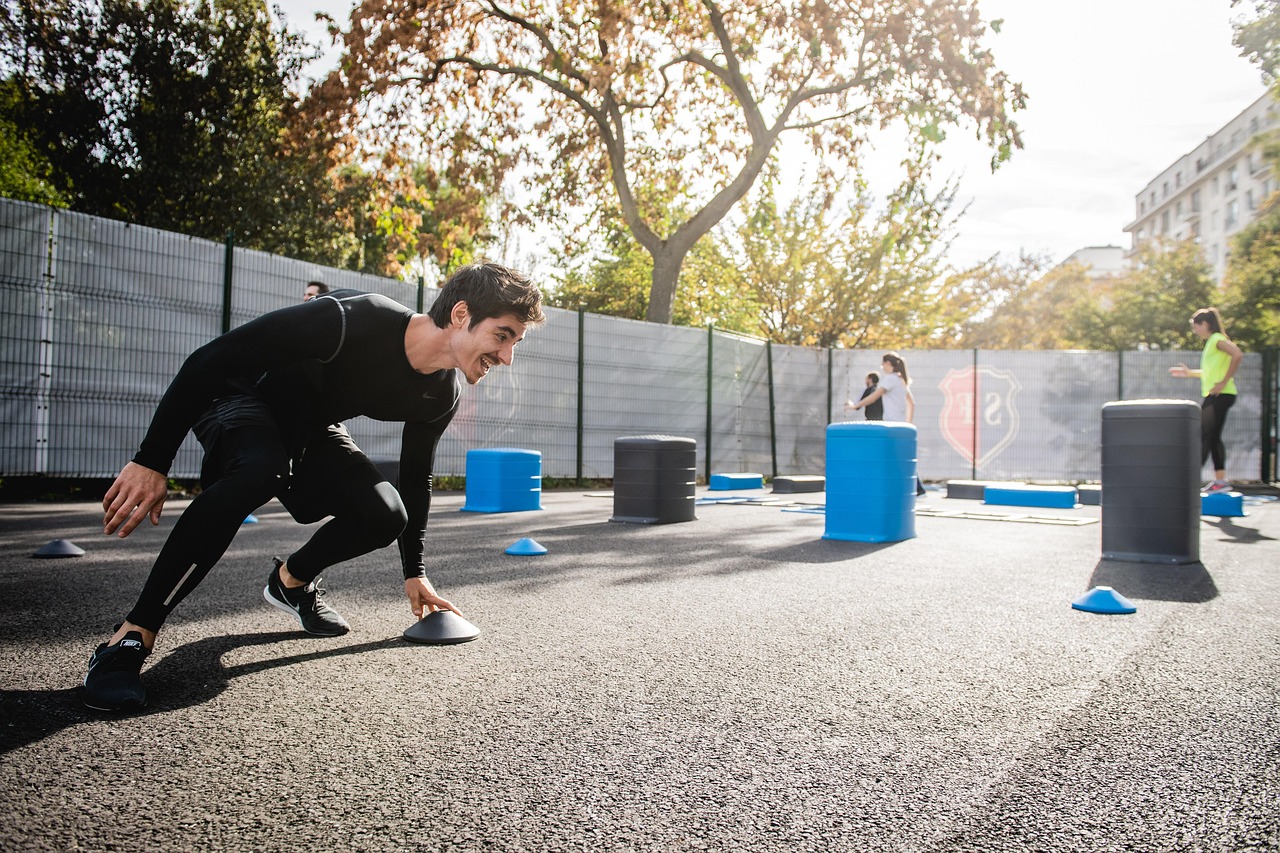
When considering effective HIIT drills for CrossFit endurance training, several popular exercises can be seamlessly integrated into your workouts. Exercises such as burpees, squat jumps, and thrusters are high-energy and facilitate cardiovascular improvements. Other great options include kettlebell swings and rowing sprints, which effectively train both upper and lower body muscles. To maximize your results, perform these exercises in short, intense bursts of approximately 20 to 40 seconds, followed by equal or slightly longer rest periods, depending on your fitness level. For instance, execute a 30-second kettlebell swing followed by 30 seconds of rest, repeating for a total of four rounds. Beyond standard drills, consider including ladder drills and shuttle runs to improve agility and coordination alongside endurance training. Creating a circuit that incorporates five or six exercises can keep your training sessions dynamic and engaging. This variety not only boosts endurance but also helps to cultivate overall athleticism. Remember to track your improvements, noting reps completed and rest times, as this will motivate you during workouts. Gradually increasing difficulty will ensure continual growth and progress in your CrossFit journey.
Nutrition plays a critical role in supporting CrossFit endurance training when incorporating HIIT as well. A well-balanced diet provides the necessary fuel to optimize performance and recovery, allowing athletes to push themselves during high-intensity sessions. Prior to workouts, carbohydrate-rich meals or snacks can supply the energy needed for intense activity. A focus on complex carbohydrates is best, providing sustained energy throughout the workout. Post-workout recovery also requires attention, highlighting the need for protein intake to support muscle repair. Opt for lean protein sources such as chicken, fish, or plant-based options to promote recovery. Combining protein with healthy fats and carbohydrates can aid in restoring glycogen stores, ensuring that your body is ready for the next training session. Remain hydrated before, during, and after workouts to prevent fatigue, as hydration directly impacts performance levels in endurance training. Use sports drinks or electrolyte sources for longer sessions to maintain optimal hydration levels. Paying close attention to nutritional needs and adjusting accordingly will ultimately enhance performance in your endurance training progression. Set realistic nutritional goals that align with your overall fitness targets for long-lasting results.
Tracking Progress and Making Adjustments
To ensure continuous improvement in CrossFit endurance training that incorporates HIIT, regularly tracking your performance is essential. Keeping a workout log can help monitor your progress over time, allowing you to identify trends in your training. Record details about the number of reps completed, the intensity levels of HIIT workouts, and times taken for endurance components. This data is beneficial for making informed adjustments to your training regimen as you advance. If you notice particular exercises becoming consistently easier, consider increasing intensity by either enhancing the weight or reducing rest intervals. Conversely, if your performance plateaus or declines, it might be time to reassess your training plan and ensure you are incorporating adequate recovery. Seek feedback from coaches or fellow athletes to fine-tune your approach. A support network can provide insights that facilitate your development and help monitor your goals. Remember that individual differences exist and adapt accordingly to your specific needs. Setting SMART (Specific, Measurable, Achievable, Relevant, Time-bound) goals will enhance motivation and accountability, reinforcing your commitment to developing as an athlete.
Incorporating HIIT into your CrossFit endurance training can significantly elevate your fitness journey. By utilizing various drills, focusing on nutrition, and paying attention to recovery, you can achieve long-term success. Understanding the benefits and practices of this integration allows you to develop as both an athlete and an individual. With its adaptable nature, HIIT can be tailored to suit any fitness level, ensuring that every participant can adequately challenge themselves. Combine this with your existing CrossFit routines, and you’re sure to witness beneficial outcomes, not only in terms of endurance but overall fitness and mental resilience. Be prepared to rethink your training patterns and embrace new challenges that stimulate progress. With dedication and proper tracking, you’ll find yourself succeeding in ways you may have thought were out of reach. As you embark on this journey, remember to celebrate small victories and maintain a positive mindset, as this will help you navigate through obstacles. Take ownership of your workouts and strive for continuous improvement. Ultimately, allowing HIIT to complement your CrossFit endurance function will contribute positively to your long-term fitness aspirations.