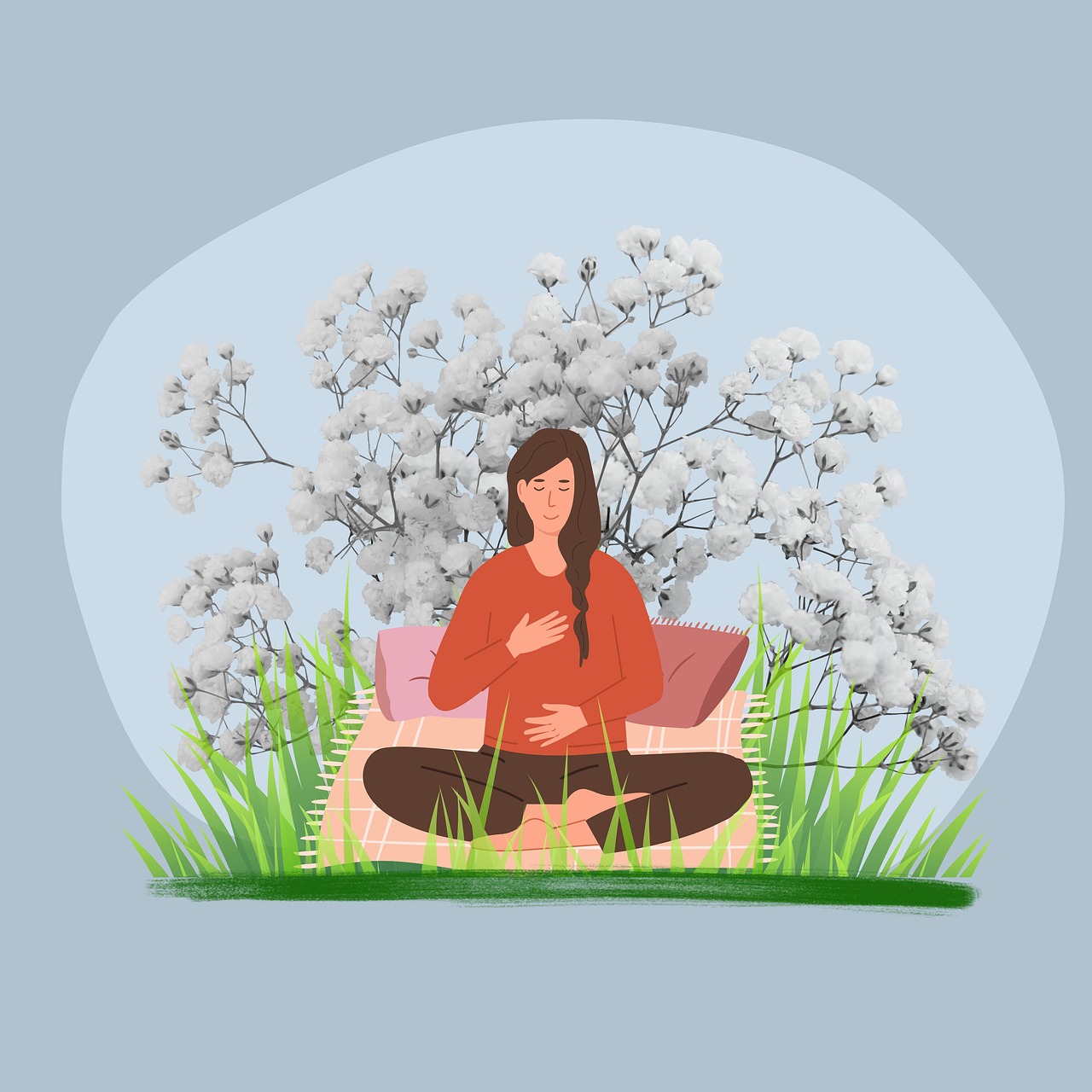

Breathing Exercises to Strengthen Core and Improve Posture
Perfecting your posture can significantly alter your physical appearance and overall health. One often-overlooked component of good posture is the power of breath. By employing specific breathing techniques, you can enhance your core strength and contribute to better alignment of the spine. Intentionally focusing on your breath helps facilitate a stronger core, which plays a pivotal role in supporting the pelvis and spine. Furthermore, it enhances your ability to engage the abdominal muscles, essential for maintaining balanced posture over time. A balanced posture not only enhances your overall appearance but also reduces discomfort and the risk of injury. Moreover, breathing exercises allow for greater awareness of your body mechanics. By understanding how your breath interacts with your posture, you gain insights into your body’s alignment and movement patterns. This dual focus on breath and posture contributes to an improved physical presentation, creating a more confident demeanor. Additionally, incorporating breathing techniques into your fitness routines can open up new avenues for strength training. Overall, mastering your breath can help you achieve a more dynamic, vibrant, and healthy body for optimal performance.
Integrating breathing techniques into your daily routine can be beneficial for maintaining proper posture. Allocating time for these exercises enables you to focus consciously on your breath while engaging your core muscles. Key techniques like diaphragmatic breathing promote a solid foundation for core stability. This happens because the diaphragm, when used correctly, helps support abdominal muscles, fostering a more stable core. Improved core strength leads directly to better posture, preventing slouched shoulders and a protruding abdomen. Implementing a consistent practice of breath work can lead to noticeable changes in your alignment in a relatively short time. Start by dedicating just five to ten minutes a day to these drills. Even the simplest techniques can accumulate into profound changes in posture. Some exercises can be performed while seated at your desk, making them ideal for busy lifestyles. You may also consider formal classes such as yoga or pilates, which intertwine breath with physical movement. Engaging in such classes not only teaches you specific postural alignments but inherently emphasizes breath control within those movements, further refining your approach to core engagement.
Key Breathing Techniques for Posture
Various breathing techniques are effective for improving posture while strengthening your core. A fundamental one is the abdominal breathing exercise, where you breathe deeply into the belly rather than the chest. This encourages abdominal engagement and spinal support while promoting relaxation, which can significantly affect posture. Another excellent method is the ‘four-square’ breathing, which involves inhaling for a count of four, holding for four, exhaling for four, and holding again for four counts. This rhythmic technique fosters not only a calm mind but also allows for heightened awareness of your body’s position and alignment. Practicing ‘box breathing’ is another beneficial technique to engage your deep core muscles effectively. Start in a standing or seated position while focusing on how the ground supports you as you breathe deeply. Additionally, incorporating breath holds can increase diaphragm strength, which enhances stability. Remember, consistency is key—making these methods a part of your daily routine will yield significant results. With time and dedication, breathing techniques improve your posture while lending you greater confidence in your overall physical appearance and performance.
Yoga as a Method for Breathing and Core Strengthening
Implementing yoga into your fitness regimen significantly enhances your breathing techniques and strengthens core muscles simultaneously. Certain postures within yoga intentionally focus on maintaining proper alignment, working actively with breath control. There are specific poses, such as the Cat-Cow and Bridge, that create a functional relationship between breath and core stability. In these positions, proper inhalation and exhalation must align with movements to encourage engagement of the deep abdominal muscles. Practicing various yoga styles can help you build strength and flexibility while concentrating on your breath effectively. The mindful practice of yoga encourages awareness of bodily sensations and promotes effective breathing techniques that support improved posture. Attending regular classes not only provides physical benefits but also fosters a community of mindfulness and persistence. The act of refining your posture through these connections ultimately builds a solid foundation for better overall health. By combining yoga practices with deep breathing techniques, you will see enhanced core strength, which is an essential tool in achieving long-lasting posture improvements. Commitment to your practice can lead to transformative results over time.
Additional Techniques for Breathing and Alignment
Utilizing alignment-focused exercises, like those in Tai Chi, can complement your breathing practices for improved posture. Tai Chi emphasizes slow, controlled movements, requiring deep, synchronized breath patterns during execution. This art form prolongs the engagement of your core and enhances body awareness. Practicing Tai Chi stimulates balance, stability, and flexibility while allowing for an exploration of the connection between breath and posture. It encourages mindfulness associated with the alignment of your body and your surroundings. Additionally, movements performed in Tai Chi bring a gentle challenge to your core muscles, further strengthening your posture. Furthermore, you might consider incorporating functional fitness exercises targeting core strength alongside your breathing practices. These routines focus on integrating breath, such as during planks, bridges, or crawling variations, where breathing rhythmically enhances stability. Balancing the strength of major muscles in conjunction with focused breath exercises leads to a well-rounded approach for strengthening your core and improving your overall posture. Ultimately, this systematic approach contributes to better posture and a healthier lifestyle.
Finally, remember that hydration and a healthy diet play crucial roles in your overall wellness and posture. Staying well-hydrated supports muscle function and helps maintain healthy bodily processes. In combination with breathing techniques, adequate hydration increases energy levels, contributing to more dynamic workouts. Additionally, consuming nutritious foods keeps your muscles and bones strong, supporting continued posture improvements. Proper nutrition can positively affect your ability to perform breathing techniques; a well-nourished body reacts more adaptively to physical exercise. In this regard, stunning transformations in self-perception often accompany effective breathing techniques and the cultivation of core strength. Increasing your body awareness will promote a proactive approach to your health and well-being, while consistent practice of posture-enhancing methods fosters long-term performance outcomes. Combining nutrition, breath control, and awareness of body mechanics can lead to holistic improvements in posture. Remember, developing good posture is a gradual process, so set realistic expectations, and celebrate small victories on your journey to achieving better alignment.
Your initiatives toward improving core strength and posture through breathing techniques will pay off over time. Consistency is vital in making lasting changes in how you present yourself. Consider initiating a 30-day challenge to dedicate time each day for breath work and core exercises designed specifically for posture improvement. Keeping a journal of your daily successes, whether big or small, can help track progress, motivating you along the way. Enlist the help of fitness apps or devices to remind you to breathe deeply and engage your core throughout the day. Over time, these practices will improve not only how you look, but also how you feel. Confidence often stems from feeling good in your own skin, and adjustments to your posture create a more supportive environment for confidence and personal growth. Keep exploring various breathing and fitness techniques, combining what resonates with you, to refine your practice. Most importantly, listen to your body and adjust your routines according to your needs. Gradually, you’ll cultivate both a stronger core and a more aligned posture that positively transform your physical presence.
Ultimately, embracing the benefits of integrating breathing exercises into your daily life can yield rich rewards for both your posture and core strength. The methods outlined above, whether through yoga, Tai Chi, or individual breathing techniques, are practical approaches designed to be accessible for everyone. Engage with these exercises as an opportunity not only to strengthen your core but also to improve your overall mental wellness through increased mindfulness. Remember that mastery takes time, so maintain patience and focus as you explore these new practices. Surround yourself with a supportive community that shares similar aspirations for health and wellness. Celebrate your victories together, and leverage each other’s experiences for motivation. Stay open to adaptations, each person’s body is unique, and learning to honor those differences will serve you well in achieving your wellness goals. The journey toward improving posture can be transformative, instilling confidence and well-being. Continuously strive to develop your skills and insights, as this approach will enable you to unlock your potential. Ultimately, be kind to yourself as you cultivate better postural habits, enjoying the process of growth and change through focused breath work.