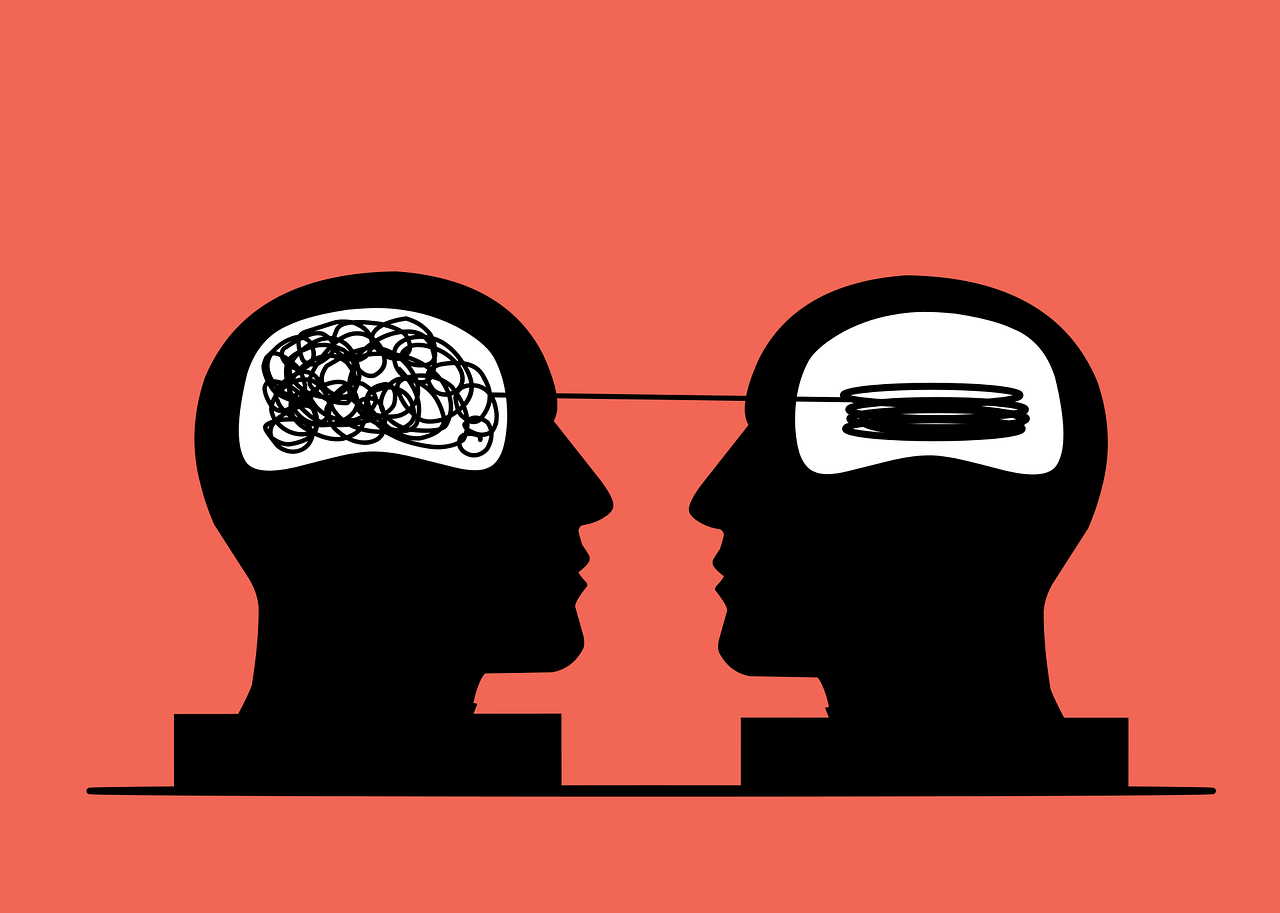

How Social Connections Influence Mental Health
Social connections play an essential role in shaping our mental well-being. The relationships we cultivate contribute significantly to our happiness and emotional health. Individuals experiencing meaningful connections with friends, family, and communities tend to enjoy better mental health outcomes. These connections are vital in mitigating stress and providing support during challenging times. Strong social networks can encourage individuals to adopt healthier lifestyle choices, which can have a positive impact on mental health. Moreover, participating in social activities such as clubs or volunteer groups can generate a sense of belonging and purpose. Our mental health is not just an individual concern; it thrives in connection with others. Research indicates that people with robust social ties experience lower rates of depression and anxiety. In contrast, loneliness can lead to feelings of despair and isolation. Thus, fostering social connections is a crucial aspect of mental health that should be prioritized. Engaging in meaningful conversations, nurturing relationships, and participating in community activities can significantly enhance one’s quality of life and emotional well-being. Strengthening these connections is an ongoing process that requires effort and commitment.
The influence of social connections extends beyond emotional support. Evidence suggests that interactions with others can directly affect our brain chemistry and physiological responses. Engaging with friends or loved ones can trigger the release of neurotransmitters such as oxytocin, often dubbed the “hug hormone” for its role in promoting bonding and reducing stress. These biological responses can enhance overall well-being, showing how intertwined our mental state and social experiences are. Furthermore, having a supportive network can act as a buffer against life’s stresses and adversities. For instance, during challenging situations, individuals surrounded by positive social influences tend to cope more effectively and maintain higher levels of resilience. It is also worth noting that the quality of relationships matters more than sheer quantity. Supportive, understanding, and empathetic connections have a more significant positive impact on mental health compared to superficial acquaintances. As such, investing time in nurturing high-quality relationships is paramount. Fostering deeper connections through shared experiences and communication can facilitate these deeper emotional bonds, thus catalyzing better mental health outcomes.
The Importance of Community Support
Community support represents another critical aspect of social connections and mental health. Communities can create a collective environment where individuals feel valued and supported, which significantly contributes to overall mental well-being. When individuals are part of a community, they often experience a sense of belonging, which can alleviate feelings of loneliness and isolation. Engaging in community events or groups allows individuals to share experiences, find common ground, and build friendships. Local support groups can also provide insight into shared struggles, fostering empathy and understanding. Community initiatives that promote social engagement are essential in combating mental health issues. They also encourage individuals to seek help and participate actively rather than staying withdrawn. Building connections within a community can lead to various psychological benefits, including increased life satisfaction and decreased anxiety. Moreover, communities that prioritize mental health awareness and support often see a decline in stigmatization surrounding mental illness. Developing programs that facilitate connections, such as workshops or gatherings, can significantly impact community mental health.
Another crucial factor is the role of technology in fostering social connections. In today’s connected world, social media platforms and online forums have emerged as significant tools for maintaining relationships, especially over long distances. They offer opportunities to connect, share experiences, and support one another virtually. However, while they have the potential for positive interactions, it’s essential to be mindful of the quality of these connections. Engaging on these platforms can be both beneficial and detrimental to mental health. Digital connection should not entirely replace in-person interaction; a balance is needed. Overreliance on virtual communication can lead to superficial connections, causing individuals to feel disconnected. Therefore, having open conversations about the impact of technology on relationships and emotional health is vital. It’s important to use technology to nurture real-life connections while not allowing it to become a substitute for them. Individuals should strive to blend the advantages of technology with traditional forms of socialization to create a more enriching experience. This balance helps cultivate healthy interactions that foster better mental health outcomes.
Overcoming Challenges to Connection
Despite the evident benefits of social connections, numerous challenges may hinder relationship-building. Factors such as geographical distance, busy schedules, and personal insecurities can keep individuals from forming and maintaining meaningful connections. Acknowledging and overcoming these barriers is crucial to improving mental health through social engagement. Initiating connections may lead to anxiety, particularly for those who struggle with social skills or fear rejection. Recognizing these feelings as common can provide reassurance and motivate individuals to step outside their comfort zones. Creating a supportive atmosphere where everyone feels welcome can help address these barriers. It may also involve seeking out groups or activities that focus on shared interests, such as hobbies or volunteer work, to foster connections more naturally. Strengthening current relationships may require open communication and vulnerability, which can foster closeness. Ultimately, addressing these challenges is vital in enhancing interpersonal relationships and subsequently improving overall mental health and well-being. With effort, commitment, and the right environment, meaningful social connections can flourish.
Moreover, understanding the role of empathy and active listening in building connections is essential for improving social relationships. Empathy allows individuals to understand and relate to each other’s emotions, fostering deeper connections. When we listen actively and show genuine interest in others’ experiences, we validate their feelings and create an atmosphere of trust. This validation can significantly contribute to improved mental health outcomes. Healthy communication is vital when fostering connections; it involves both expressing oneself and understanding others. Developing these skills involves practice, but it can profoundly impact relationships’ quality. Empathetic interactions can lead to stronger bonds, and people often feel more comfortable sharing their struggles in a supportive environment. Taking the time to ask about others’ experiences or feelings can open the door to meaningful exchanges. Additionally, active listening encourages individuals to feel seen and heard, further strengthening the connection. Engaging authentically in conversations can cultivate a sense of closeness, enhancing emotional bonds and nurturing mental well-being. Therefore, prioritizing empathy and active communication is fundamental in relation-building.
Conclusion
In conclusion, social connections profoundly influence mental health and well-being, emphasizing their importance in our lives. Prioritizing quality relationships, community involvement, and the appropriate use of technology to enhance these connections is vital. Strategies to foster meaningful relationships include open communication, empathy, and active listening techniques. Moreover, recognizing and overcoming barriers to connection allows individuals to enhance their social engagement further. It is paramount to create an inclusive and supportive environment where individuals feel encouraged to develop strong connections. When communities come together, they can provide essential support systems that bolster mental health. The benefits of these connections extend beyond individual well-being, fostering a collective environment of care and understanding. The nurturing of strong relationships can lead to improved emotional resilience and overall life satisfaction, highlighting the integral role of social ties in mental health. As individuals and communities recognize and embrace the power of social connections, they pave the way for healthier, happier lives. Therefore, engaging actively with others and cultivating these connections should be viewed not just as a social necessity, but as crucial for mental well-being.