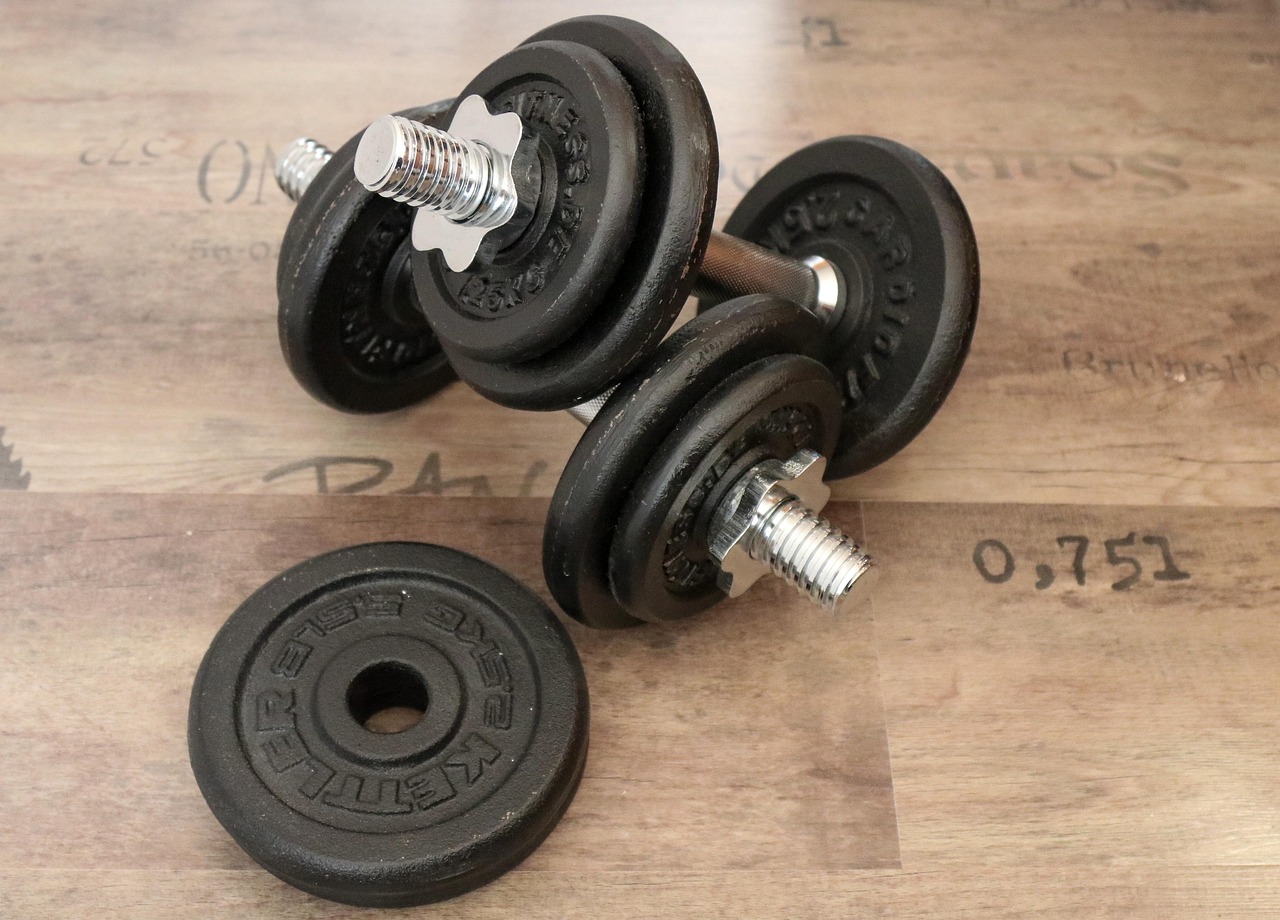

Understanding Bodybuilding Apps
Bodybuilding apps have revolutionized the way individuals engage with their fitness routines. These applications provide extensive support, offering training regimens, nutrition plans, and progress tracking. Their importance escalates when it comes to injury management and preventing overtraining. The ability to customize workout schedules based on health metrics is significant. Users can input their performance, energy levels, and any discomfort during workouts. Based on this data, apps suggest necessary adjustments, helping users sustain an optimal workout habit. Bodybuilding apps empower users by providing access to experienced coaches and fitness enthusiasts who share valuable insights. Many of these apps allow users to connect and share experiences, bolstering motivation and accountability. Most importantly, the insights derived from progress tracking within these apps foster awareness regarding one’s limits and capabilities, making it easier to avoid potential setbacks from excessive training. By integrating feedback and data analytics, these apps reduce the probability of injuries. They also encourage sufficient recovery periods, ensuring that users continuously improve without compromising their physical health. Hence, adopting bodybuilding apps is a prudent decision for anyone striving for fitness excellence while safeguarding their well-being.
Injury Management Features
One of the most beneficial aspects of bodybuilding apps is their dedicated focus on injury management. Users can input specific injuries or areas of discomfort they experience during workouts. Bodybuilding apps often respond with tailored workout plans that minimize strain on affected areas, allowing for safer training practices. Moreover, many apps provide instructional videos and techniques to ensure proper form during exercises. This feature is crucial as poor form often leads to injuries. By following visual guidance, users can learn how to exercise responsibly and effectively, reducing their risk of injury. Additionally, some applications offer reminders for stretching and warming up before workouts. Neglecting these essential components often leads to strains or tears, and the apps actively engage users in preventive measures. Furthermore, community forums within these apps allow users to share injury experiences and recovery tips. This collaborative environment fosters a supportive network that can enhance recovery. Through customized advice, instructional resources, and community support, bodybuilding apps become invaluable tools in injury management. They create a holistic approach that prioritizes safety and encourages resilience in fitness journeys.
Avoiding Overtraining
Overtraining is a critical concern for avid fitness enthusiasts who may push their bodies beyond their limits. Bodybuilding apps play a pivotal role in preventing this issue by offering personalized training plans that consider recovery time and body signals. Users can log daily workouts, noting fatigue levels and muscle soreness, and the app uses this data to recommend adequate rest periods. By respecting the body’s need for recovery, users can avoid the pitfalls of overtrained bodies, which can lead to burnout or sustained injuries. Through monitoring workout intensity and volume, bodybuilding apps help achieve a balanced training approach. Markedly, many of these apps utilize algorithms that assess user performance trends to flag potential overtraining scenarios. For instance, if performance declines while fatigue levels rise, a warning may be automatically generated. Users are then encouraged to scale back their training efforts, promoting sustainability in workouts. Moreover, educational resources provide valuable insights on recognizing the symptoms of overtraining. This proactive stance empowers users to maintain a healthy workout balance. Such detailed attention to training habits is essential for anyone serious about bodybuilding and long-term fitness success.
Another crucial element in the prevention of overtraining is user education provided through bodybuilding apps. Many applications integrate guidelines detailing the signs of overtraining, which include persistent fatigue and decreased performance. Educating users on these symptoms fosters awareness, enabling proactive measures to be taken before overtraining sets in. Furthermore, apps often include recovery-related resources, such as guided meditation and breathing exercises, which help facilitate mental recuperation. This holistic approach to recovery emphasizes that physical health is intertwined with mental well-being. Scheduled notifications for rest days and gentle reminders to listen to one’s body accentuate the commitment of these apps to user safety. Users can set personalized goals that factor in their physical limits, encouraging sustainable progress rather than chasing unsustainable heights. Additionally, incorporating self-assessment tools and mood trackers brings an extra layer of introspection. Understanding emotional and motivational factors can be just as important in managing workout intensity. By leveraging comprehensive resources and features, bodybuilding apps contribute to the cultivation of a balanced mindset. They empower users to reflect on their fitness journeys and make well-informed training decisions, ultimately fostering a more satisfying and healthier bodybuilding experience.
The importance of integrating technology into fitness cannot be overstated, especially in the context of bodybuilding. Many traditional training methods fail to account for personalized needs, which is where bodybuilding apps shine. By leveraging extensive data on individual progress, users can gain insights that were previously unavailable. This personalized approach not only aids in injury management and avoids overtraining but also allows for tailored recommendations regarding nutrition and supplementation. Bodybuilding apps often comprise extensive repositories of exercise information, including video demonstrations, suggested sets, and repetitions for individuals at all fitness levels. Diverse workouts challenge users to explore new routines that keep motivation high. Importantly, these apps maintain adaptability; as users progress, their training plans evolve to match escalated fitness levels. Moreover, they typically incorporate integration with wearable devices, allowing for real-time monitoring of heart rates and other vital metrics. This feature is vital in issuing immediate feedback about effort levels during workouts, further preventing injuries or over-exertion. Technology’s role enhances accountability and modifies training variables effectively while promoting informed decisions. Overall, these technological advancements play a critical role in the modern bodybuilding landscape.
Community support is another undeniable benefit that bodybuilding apps offer to users. Many of these applications provide a platform for users to engage with like-minded individuals, share their experiences, and provide encouragement. This sense of community becomes indispensable during challenging times in a fitness journey. Users often exchange tips on avoiding common pitfalls such as burnout and injuries. The collective wisdom found in user forums and chat groups also serves as a powerful motivator. Social interactions make adhering to fitness goals enjoyable and less isolating. Often, users may join challenges or group training sessions organized through these apps, introducing elements of fun and competition. Gamifying elements within apps can foster friendly rivalries, pushing users towards achieving their personal bests. Additionally, some community features include maintaining leaderboards, tracking progress, and celebrating milestones, amplifying motivation levels. This interconnectedness harnesses the power of shared experiences, ultimately enhancing accountability and commitment to fitness routines. Networking and connecting with fellow bodybuilding enthusiasts creates an environment conducive to personal growth and sustained health improvement. The supportive atmosphere provided by bodybuilding apps solidifies their role as tools for both physical and mental well-being.
In conclusion, bodybuilding apps have become integral to managing injuries and avoiding overtraining for fitness enthusiasts. The comprehensive features offered by these applications empower users to take charge of their fitness and health consciously. From tailored workout recommendations to injury prevention resources, bodybuilding apps address different aspects of fitness responsibly. User-centered design facilitates easy navigation and maximizes engagement by ensuring everyone has access to relevant information. The incorporation of community elements fosters motivation and offers essential support during challenging times. Only through noted collaboration can users further enrich their fitness journeys. As technology continues to evolve, the potential for bodybuilding apps will only increase, offering even more innovative solutions to aid in injury management and training efficiency. Consequently, those who integrate such applications into their routines are likely to notice remarkable improvements in their overall progress. As more people recognize the valuable insights that bodybuilding apps provide, their adoption will inevitably expand. Investing time in these applications is a proactive step toward achieving lasting results while keeping fitness pursuits enjoyable and safe.
Bodybuilding apps represent a leap towards more informed fitness journeys, combining technology and personal insight for a safer approach to strength training.