
Low Impact Cardio Exercises to Prevent Falls in Seniors
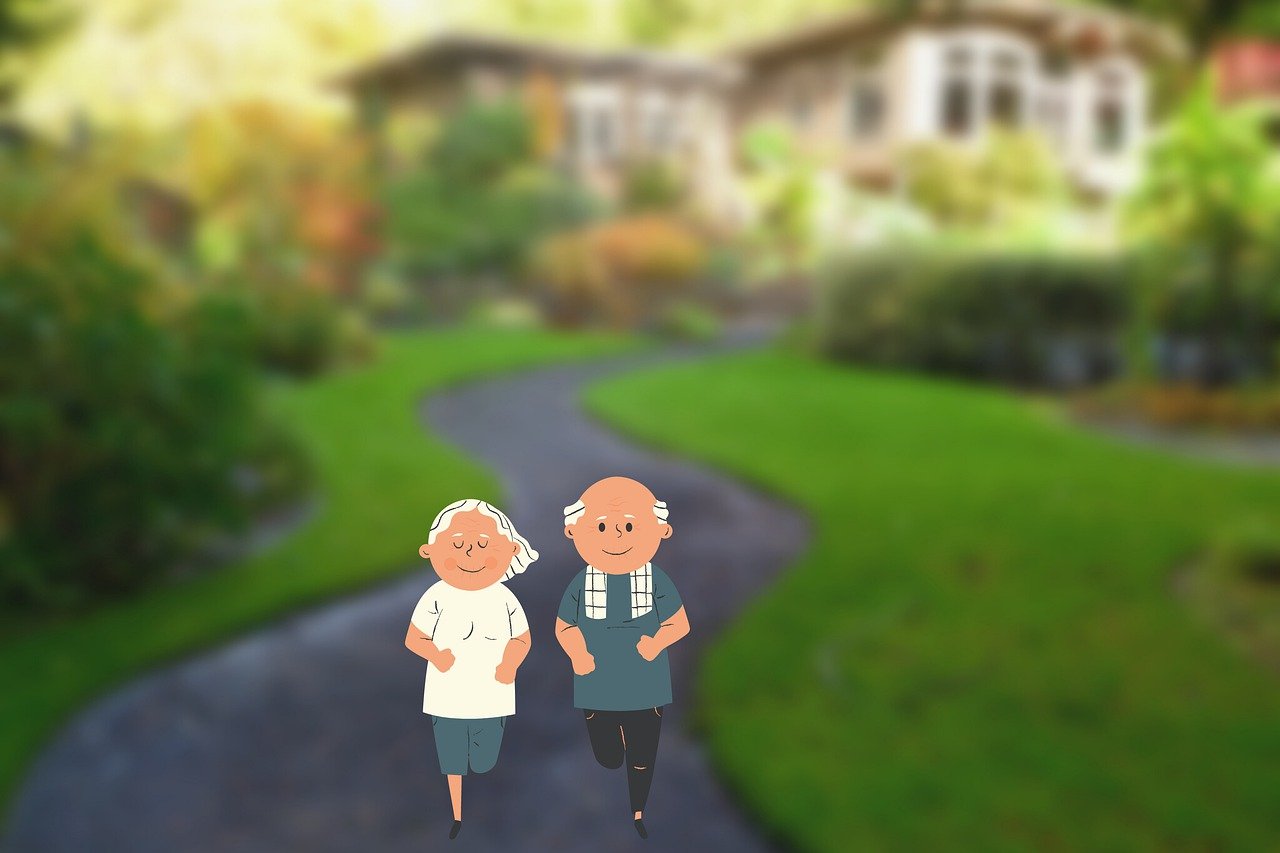
Low impact cardio workouts are essential for seniors, as they help improve balance and coordination, which can reduce the risk of falling. One effective exercise is walking, which can be done indoors or outdoors. Walking can enhance cardiovascular health and also strengthen leg muscles. Seniors should aim for 30 minutes of walking at a comfortable pace, recommending breaks as needed. Another great option is swimming. Swimming not only provides an excellent cardiovascular workout, but it also alleviates pressure on joints. This reduces the risk of injury while promoting overall fitness. Seniors may also consider water aerobics classes, which offer a social aspect and enable seniors to stay active while enjoying a low-impact environment. Cycling, whether on a stationary bike or outdoors, is another suitable exercise as it builds leg strength and enhances cardiovascular endurance. It’s important to maintain proper posture while cycling and avoid overexertion. Engaging in group exercises can foster connectivity and motivation, making workouts enjoyable. As with all new exercise routines, seniors should consult healthcare professionals to tailor programs that suit their individual needs and abilities.
The Importance of Engaging in Regular Activity
Staying active is critical for seniors to maintain independence and quality of life. Regular exercise like low impact cardio not only strengthens muscles but also improves flexibility and joint mobility, essential factors for aging individuals. Incorporating simple daily activities, such as gardening or playing with grandchildren, can significantly boost physical engagement. Educating seniors about the safety guidelines when exercising is vital. It ensures that they understand their limits and avoid injuries. Encouragement from family members makes a significant difference in adopting an active lifestyle. Communities can organize walking clubs or fitness sessions tailored specifically for seniors, which not only keeps them physically fit but also socially engaged. Socialized activity has tremendous psychological benefits, combating feelings of isolation that often occur in older adults. Additionally, seniors should focus on balance-enhancing exercises like tai chi. Tai chi improves body awareness and stability, further reducing fall-related injuries. For cardiovascular health, engaging in balanced diets paired with regular exercise optimizes wellness routines. Staying hydrated is equally important, especially during physical activities; water intake supports overall health and energy levels during exercises, preventing fatigue and muscle cramps.
Resistance bands are another excellent tool that seniors can use in their workouts. These bands are lightweight and portable, making them easy to incorporate into both home and community workouts. Using resistance bands can build strength safely without risking injury. A simple exercise involves securing the band under the feet while pulling the ends towards the chest. This action works on upper body strength and stability. Seniors should also focus on proper techniques, taking care to engage the core to prevent strain during these exercises. Stretching, both static and dynamic, is crucial in preventing injuries and improving flexibility. Regular stretching routines can help maintain a good range of motion and enhance overall mobility. Including activities that involve reaching, such as picking up objects from the ground, can be beneficial. Yoga, particularly restorative yoga, benefits seniors through mindful movements that enhance strength and balance. Seek out classes geared explicitly towards seniors to ensure exercises accommodate varying fitness levels. As safety remains a priority, using proper equipment and exercising in environments free of hazards is essential to prevent accidental falls. To sum up, engaging in low impact cardio exercises maintains both physical and mental health while significantly reducing fall risks for seniors.
Additional Considerations for Safe Exercising
The choice of comfortable clothing and proper footwear is paramount for any workout. Wearing supportive shoes can provide the necessary footing, helping to minimize injuries during low impact exercises. Loose-fitting, breathable clothing also enhances comfort during physical activities. Indeed, scheduling workouts during times when the environment is calm or less crowded is beneficial, as it reduces distractions and enhances focus. Whenever possible, incorporating engaging elements like music can make the routine fun and enjoyable. As seniors pursue these activities, they should be watchful for signs of distress or fatigue. Gradually increasing workout intensity prevents overwhelming seniors unfamiliar with a structured exercise regime. Families and caregivers should provide encouragement, fostering an environment that promotes active participation in fitness routines. Regular check-ins can track progress and adapt the exercises to meet changing energy levels and health conditions. Lastly, consider incorporating mental exercises alongside physical workouts; activities such as puzzle-solving during stretches can enhance cognitive function while promoting coordination. Before embarking on any new workout regimen, ensure that healthcare providers approve routines. This collaborative approach will yield better results and ensure safer, healthier workouts for seniors.
Outdoor activities offer notable benefits for seniors seeking low impact cardio exercises. Walking in local parks can facilitate connection with nature while exercising. Engaging with surrounding environments can boost mood and confidence, which further promotes regular activity. Participating in community events such as charity walks or fun runs encourages social interaction, motivating seniors to stay active. Group workout classes, featuring activities like Zumba Gold, adapt vigorous styles into low-impact versions suitable for seniors. This way, participants can enjoy the rhythms of the music while moving at their own pace. If mobility issues arise, chair aerobics may be a viable alternative; seated exercises can target various muscle groups without the fatigue of standing exercises. Additionally, how exercise sessions are introduced may influence seniors’ readiness to participate. Presenting them as fun rather than obligatory invitations fosters enthusiasm. Selecting peer-led classes can create familiarity, often making older adults more inclined to engage. If seniors feel overwhelmed, breaking workouts into smaller, more manageable sessions throughout the week can yield better adherence. The goal is to promote a sustainable active lifestyle that combines enjoyment, improvement, and safety measures for fall prevention.
Building a Supportive Exercise Community
Creating a supportive environment for seniors emphasizing fitness can significantly decrease the likelihood of falls. Local community centers strive to establish inclusive programs tailored to various fitness levels, ensuring accessibility and comfort. Additionally, engaging caregivers and family members in exercising together can forge deeper connections while supporting active lifestyles. Introducing fitness education into community workshops allows seniors to understand the importance of workouts, encouraging greater participation. Networking with other seniors facilitates shared motivation, leading to increased accountability. These networks can also help in exchanging ideas for home workouts or discovering new exercises. Joining fitness apps designed for seniors can enhance the experience by reminding them of exercise schedules and encouraging virtual interactions. Regular social gatherings centered around wellness resources foster opportunities for seniors to share tips and celebrate fitness milestones together. Volunteering for local health initiatives that encourage active participation can motivate seniors to embrace movement as part of their daily lives. Understanding that exercise can be enjoyable and rewarding is crucial for seniors. Finding joy in movement enhances overall health, creating a positive feedback loop that promotes lifelong well-being. Ultimately, the key lies in harnessing community support to build active, injury-free futures.
Resource management is critical in supporting seniors as they participate in low impact cardio exercises. Access to affordable workout programs can empower older adults to stay engaged physically without financial constraints. Encouraging seniors to explore virtual fitness classes allows them to participate from home, especially if mobility proves challenging. This adaptability enables flexibility without compromising physical health. Establishing relationships with local fitness instructors trained in senior fitness enhances safe execution of exercises. These professionals can offer guidance on exercises tailored to specific health conditions or physical limitations. Cultural inclusiveness within fitness programming further engages diverse populations, ensuring that all feel welcomed to participate in enjoyable cardio activities. Tracking progress through journals or apps can also improve accountability and motivation for seniors. By recording achievements, whether they be minor or major, seniors experience a sense of accomplishment with their fitness goals. Moreover, focusing on small goals over an extended period fosters sustainability in exercising. Therefore, the combination of community support, resource availability, and adaptable fitness routines forms a holistic approach to reducing falls among seniors. By promoting active lifestyles, we ensure healthier, more vibrant lives for our aging population. The journey to fitness is one filled with possibilities and growth for seniors.
Considering the comprehensive benefits, incorporating low impact cardio exercises is fundamental for any aging adult seeking to enhance their quality of life. This commitment to active living nurtures flexibility, endurance, and balance, ultimately fostering a more resilient body against falls. Emphasizing community involvement and accessibility creates a powerful synergy that supports continuous engagement among older adults. Participation in available classes and programs nurtures social connections, fostering camaraderie and motivation among peers. Additionally, taking advantage of technology can cater to individual needs, providing a tailored approach to fitness at home. Group events and classes designed for seniors, led by trained instructors, further ensure that workouts address the audience’s needs safely. Integrating physical activity into daily routines promotes gradual adaptation, easing seniors into an active lifestyle. Collectively, family support and healthcare professional involvement play pivotal roles in ensuring a balanced approach to fitness. The overall goal remains clear: reducing falls through consistent exercise enhances both physical and mental well-being in seniors. Ultimately, the path to improved fitness lies in curiosity, exploration, and the steadfast pursuit of engaging, low impact cardio workouts suitable for older adults.