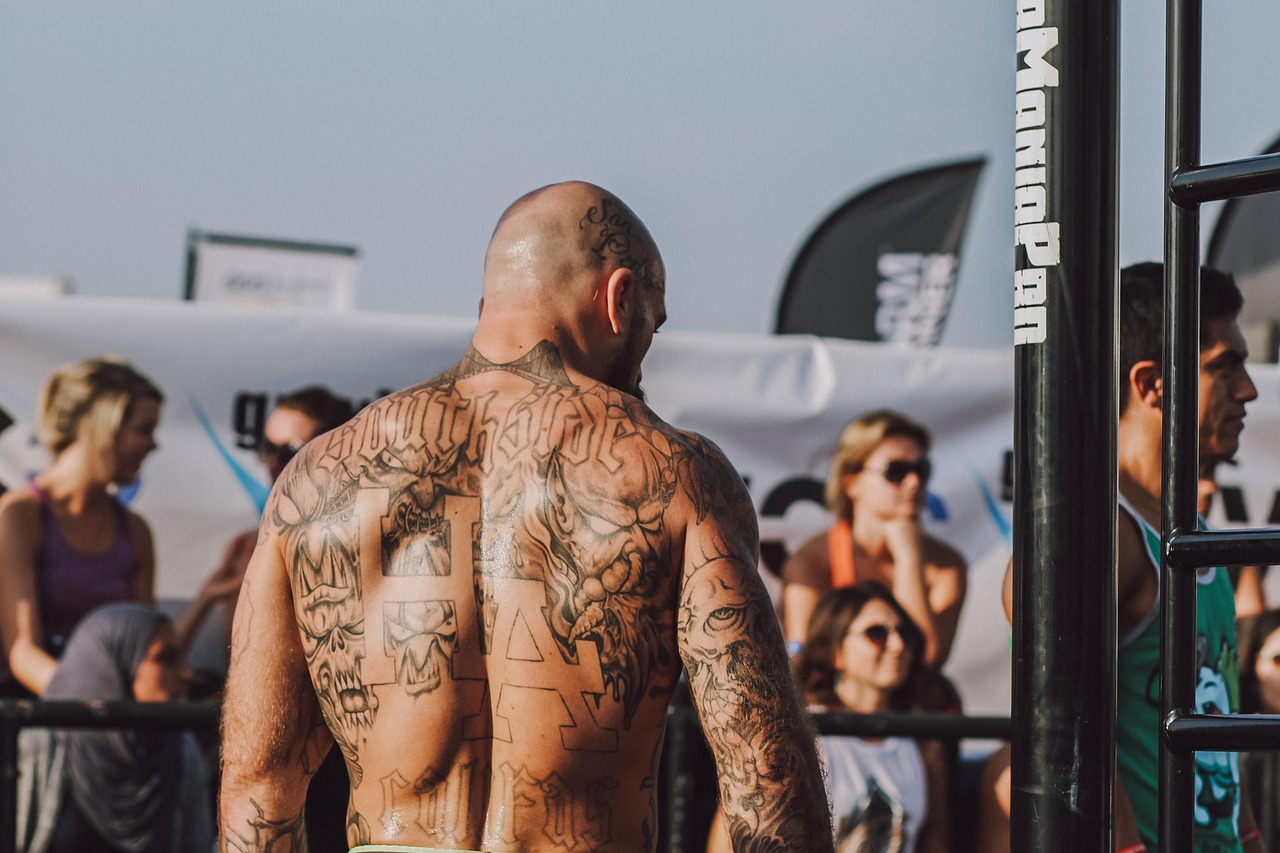

Warm-Up Exercises to Do Before Going on Stage
Participating in bodybuilding competitions is exhilarating but demands meticulous preparation. One crucial aspect often overlooked is warming up correctly. Proper warm-up exercises enhance muscle performance and reduce the risk of injuries. Start with some light aerobic activity, such as brisk walking or jogging. This helps increase blood flow and warms up your muscles. Spend around ten minutes performing these aerobic exercises to elevate your heart rate effectively. Following that, perform dynamic stretches targeting major muscle groups. This will prepare them for the intensity of your routine. Dynamic movements vividly activate muscle fibers and improve flexibility. Additionally, classic bodyweight exercises such as squats, lunges, and push-ups can be beneficial. They engage multiple muscle groups in short durations, mimicking the actions you’ll perform on stage. Focus on executing them with controlled movements. Lastly, implement specific warm-ups for muscles you intend to highlight on stage; for example, doing bicep curls and tricep extensions can activate those muscle groups notably. Conclusively, warming up is essential and should never be skipped before a competition performance.
Using effective warm-up exercises can significantly influence your presentation positively. Before stepping onto the stage, consider doing resistance band workouts. These exercises help activate muscles used for posing. Using bands increases resistance and promotes strength, preparing you for the physical demands of the competition. Include exercises like lateral raises and banded squats to engage your upper and lower body muscles. Aim for 12 to 15 repetitions of each move. Moreover, after bands, focus intensively on your core. Engage in exercises like planks or medicine ball twists to stabilize your midsection. Strong core muscles improve your posture, essential for impressive posing. Adding mobility drills makes an effective routine. Simple ankle circles and shoulder openers ensure your joints operate optimally. These movements prevent stiffness during posing. Breathing exercises also facilitate relaxation and focus, enabling your mind to mentally prepare for the performance ahead. Try deep inhalation and exhalation cycles to center your thoughts. Incorporating these warm-up strategies minimizes the chances of injury while enhancing your ability to dazzle judges. Ultimately, it supports a confident, electrifying performance on stage.
Focus on Target Muscles
When preparing for a bodybuilding competition, specific warm-ups tailored to target muscles are paramount. For competitors, emphasizing the muscle groups they will showcase can significantly boost performance quality. Begin by targeting the prime muscles you aim to highlight. For instance, if you intend to emphasize your chest, incorporate dynamic chest flows and push-ups. These exercises prime your chest for performance, especially when transitioning into posing. Continue this approach by focusing on crucial legs movements; exercises like calf raises and dynamic lunges enhance leg muscle engagement. Ensure that you distribute equal attention to both upper and lower body muscles, thereby establishing overall balance. Consistency in your warm-up routine amplifies muscle responsiveness and enhances tone, ultimately contributing to a stronger stage presence. Moreover, incorporating a few targeted stretches tailored for your main muscles soothes any tightness. Consider holding each stretch for about 15 seconds; this builds flexibility while aligning your body effectively before you step into the spotlight. By focusing on crucial muscle groups, you’ll not only feel prepared but exemplify power and confidence during your assembly on stage.
Apart from physical warming up, mental preparation is equally important before going on stage at a bodybuilding competition. Engaging in visualization techniques can enhance your confidence significantly. Spend a few minutes imagining a successful performance; visualize yourself executing perfect poses and securing applause from the crowd. This mental exercise strengthens your self-belief and can drastically reduce anxieties associated with performing. Pair visualization with affirmations; recite encouraging phrases related to your physique and capability. This practice calms nerves and fosters a positive mindset. Also, utilize music to elevate your mood as you prepare; powerful tunes can energize you and foster enthusiasm. Choose music that fuels motivation and enthusiasm, facilitating an uplifting ambiance on competition day. Additionally, integrate yoga or mindfulness techniques focusing on breath. These practices support relaxation, market focus, and enhance your overall composure. Competitors often underestimate mental strength; however, solid mental preparation translates into a spectacular on-stage presence. Ultimately, balancing physical warm-ups with mental exercises shapes you into a well-rounded and formidable competitor willing to seize the opportunity at the event.
The Importance of Hydration
As part of your pre-competition routine, keeping hydrated is imperative for optimal performance on stage. Hydration influences muscle function, recovery, and appearance before the judging panel. It is suggested to maintain fluid intake throughout the day leading towards the competition. Opt for water primarily, as it supports hydration without added sugars or preservatives often found in other beverages. Consuming at least two to three liters throughout the day supports full hydration. Just before stepping onto the stage, a small amount of electrolyte-infused drink can help replenish lost minerals vital during workouts. This helps maintain energy levels throughout your performance. It’s also beneficial to avoid excessive caffeine or alcoholic drinks, as these can lead to dehydration. Instead, embrace natural hydration methods, and consume moisture-rich fruits like watermelon and oranges to boost hydration levels. Lastly, monitor your urine color as an indication of hydration; light yellow signifies proper hydration, while darkening signifies dehydration. Hydration significantly impacts how your muscles appear and function, so prioritize this in preparing to get on stage, ensuring you give your ultimate performance.
Lastly, integrating cooldown stretches into your warm-up routine can provide additional benefits when preparing for a competition. While not always conventional, these stretches can help minimize muscle tension and tighten the body after warming up. Start with gentle hamstring and quad stretches to release tension. Always hold each stretch for 20 seconds to reap full benefits. Following the gentle cooldown, employ a few deep-breathing exercises to aid in relaxation advancement. Breathing through your diaphragm, allow your abdomen to rise with each inhale, then let tension exit your body with each exhale. Implementing these cooldowns ensures that you remain agile and loose, enhancing your performance on stage. Additionally, it cultivates a mindset of self-care and attentiveness to your body’s needs before entering the spotlight. Furthermore, these techniques build rhythm and complacency essential for showcasing your hard-fought physique. Implementing cooldowns in your warm-up regimen signifies your advanced understanding of bodybuilding and performance strategies. Through these methods, you not only prepare your body but also cultivate a mindful connection vital for a successful competition day. Stay engaged, self-aware, and confident as you prepare to shine.
Final Remarks
Attaining a remarkable performance on stage during bodybuilding competitions requires a multifaceted approach. Ensuring that your warm-up routine is holistic—encompassing physical exercises, mental preparation, hydration, and cooldowns—sets you on a path for success. Each element contributes uniquely to elevating your stage effect, with warm-ups preventing injuries and enhancing performance. Don’t skip warm-up routines on competition days; they serve as preparations, showcasing your dedication to craftsmanship and your physique. Striving for consistency throughout your preparations instills confidence and fuels focus, thus yielding desired results. Therefore, implement the exercises discussed and harmonize them with hydration strategies and nutrition plans leading up to the event. Ensure to adapt distinct practices tailored to personal strengths, as fitness is a journey. Collaboratively, this multifaceted approach will significantly improve your competitive edge in any bodybuilding event you enter. Remember, confidence not only stems from physique but also from preparedness that showcases the effort you’ve invested over time. With unwavering determination, practice these methods diligently and prepare to dazzle the judges with your incredible form and presentation on stage.
Combining Techniques for Maximum Benefit
In the art of bodybuilding, employing a combination of warm-up techniques proves paramount for optimal outcomes. Competitors should not rely solely on one aspect; integrating several approaches enriches overall results on stage. Begin by creating a synergistic blend of aerobic activity and resistance exercises to ensure a well-rounded warm-up routine. Engage in 10 minutes of brisk cardio followed by targeted resistance band workouts aimed at muscles you’ll showcase. Gradually increasing intensity during warm-up will prepare your body to function correctly once it’s time to perform. Following that, don’t underestimate the value of mindful breathing; integrating deep, measured breaths fills you with the calm necessary to approach the spotlight confidently. Consider pairing this with visualizations of victory, where seeing yourself perform excellently can bolster your self-esteem and mental preparedness. Additionally, using practical tools like foam rollers can help alleviate muscle tightness post-exercise. Ultimately, there’s no one-size-fits-all approach, as adapting specific routines can effectively cater to individual needs. Crafting a comprehensive warm-up plan incorporating these techniques promotes optimum performance and strengthens your readiness on stage.