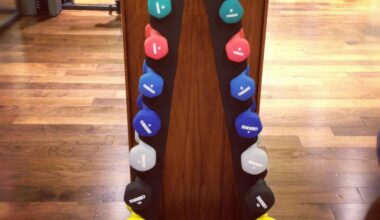

Training School Staff to Deliver Adaptive Fitness Programs
Providing adaptive fitness programs in schools is crucial for ensuring all students, regardless of their abilities, can benefit from physical education. For school staff to effectively implement these programs, appropriate training must be a priority. This training should emphasize understanding various disabilities and how they impact participation in fitness activities. Additionally, it is essential to create an inclusive environment that promotes engagement, creativity, and confidence among students. Staff training should encourage collaboration among educators, therapists, and families to tailor individual programs to meet specific needs. By equipping school staff with the right skills, schools can foster an atmosphere of acceptance and respect. Training can also help staff develop strategies to address any challenges students may face, especially in competitive or traditional fitness settings. These informed approaches lead to more successful participant experiences and can enhance overall school culture. Furthermore, ongoing professional development opportunities should be provided to ensure staff remains updated on best practices in adaptive fitness. This commitment reinforces the school’s dedication to diversity and inclusion, helping to break down barriers to exercise and promote lifelong healthy habits among all students.
To create a comprehensive training program, it is necessary to include essential topics and hands-on experiences. This exposure enables staff to understand adaptive equipment and techniques effectively. Training could involve demonstrations of adaptive exercises, modifications for various activities, and using specialized apparatus designed for students with physical disabilities. Moreover, incorporating behavior management strategies ensures that staff can create a positive atmosphere that optimizes learning and participation. Recognizing that many disabilities may not be visible, training programs must cover broader issues surrounding inclusion and awareness. They should also provide guidance on setting realistic and achievable fitness goals for students. A strong emphasis should be placed on fostering communication skills, as these are vital for engaging with students and their families effectively. Providing opportunities for staff to share experiences and best practices can foster collaboration and support among peers. To maximize the training’s effectiveness, schools should consider partnering with local adaptive sports organizations. These partnerships can offer expert speakers, resources, and various adaptive sports opportunities to enrich the overall training experience for school staff. Such collaboration helps ensure the successful delivery of adaptive fitness programs, creating a lasting impact on students’ lives.
In addition to initial training, ongoing assessments will be essential to measure the effectiveness of adaptive fitness programs. Regular evaluations can provide valuable feedback on how well staff implement strategies and address student needs. These assessments also allow schools to gauge student progress and participation, helping identify areas for improvement in programs. Establishing feedback mechanisms through surveys and focus groups helps involve students and families in evaluating program effectiveness. When staff receive continual feedback, they can make necessary adjustments to enhance the learning environment. Importantly, schools should also celebrate success stories to inspire both staff and students. Highlighting accomplishments fosters motivation and promotes the value of inclusive fitness programming. Schools may consider annual fitness fairs or showcases where students can demonstrate their skills and achievements. These events can build community support, increasing awareness about the importance of adaptive fitness. Furthermore, they can engage local businesses and organizations in partnership efforts. Allocating time for staff to attend workshops or conferences on adaptive fitness ensures they remain informed about current issues and solutions in the field. Through consistent support, school staff can create meaningful adaptive fitness opportunities that enrich the lives of all students.
The Role of Family Involvement in Adaptive Fitness
Engaging families in adaptive fitness programs extends the benefits beyond school hours. Family involvement is critical in promoting a unified effort toward enhancing students’ physical activities. Schools should encourage communication between staff, students, and families, which creates a supportive community for students with disabilities. This outreach could include informational meetings or workshops designed specifically for families. Incorporating family-friendly activities within the adaptive fitness programs can motivate both students and their families to become more involved. Such engagement may include fitness challenges, group exercises, or demonstrations that showcase students’ progress. Furthermore, families can share their insights and experiences, providing valuable perspectives to staff that can improve program delivery. When families feel connected to the program, they are more likely to advocate for their children’s needs and maintain support outside school. Schools should also consider establishing parent-teacher associations focused on adaptive sports and activities, which can lead to better resources and collaboration. The collective commitment of families, staff, and the community fosters an environment where inclusive fitness becomes part of the school culture. Together, they can work to break down barriers and promote healthier lifestyles for all students, no matter their individual challenges.
Without proper training, school staff may feel unprepared or uncertain when delivering adaptive fitness programs. Therefore, organizations need to provide high-quality professional development that focuses on adaptive fitness principles. Training should also cover legal and ethical considerations surrounding disabilities, ensuring that every staff member understands their obligations. These principles will guide them in creating safe and supportive environments for all students. Moreover, staff should learn about resources available in their communities, such as local adaptive sports teams and events. These connections can serve as pathways for students to engage in activities beyond school. Schools must also address the misconceptions that staff and students may have about adaptive fitness, including stereotypes or preconceived notions about disabilities. Effectively breaking down these barriers can improve the acceptance and integration of adaptive programs within schools. Additionally, developing a mentorship system that pairs veteran staff with newcomers enables knowledge transfer and fosters a culture of support. Furthermore, consider utilizing online platforms for ongoing training and resources, allowing staff to access guidance and best practices conveniently. Ultimately, equipping staff with comprehensive knowledge and resources will enhance the overall effectiveness and inclusivity of adaptive fitness programs in schools.
Building Supportive School Environments
Creating a supportive school environment is vital for the success of adaptive fitness programs. School administrators play a significant role in promoting these programs and establishing a culture of inclusion. They must advocate for policies that support adaptive fitness and allocate necessary resources for training and implementation. By prioritizing adaptive fitness initiatives, administrators set a tone that values diversity and equity. It is essential to establish a school-wide commitment to fostering inclusive fitness environments where every student feels empowered to participate. Collaborating with community partners can enhance existing programs and create new opportunities for students to explore. Schools may also utilize grants or funding to improve physical education facilities, ensuring accessibility for all students. Encouragement from administration can inspire staff to pursue further training and professional development opportunities. Additionally, creating an inclusive student leadership team can facilitate student advocacy, enabling peers to share their experiences and foster understanding. Schools should focus on promoting positive messages about adaptive fitness within the community. Using newsletters or social media allows schools to highlight successes and share resources. Taking these intentional steps cultivates a supportive environment, enabling adaptive fitness programs to thrive and benefit students across the board.
Overall, adapting fitness programs in schools is a multifaceted approach that requires dedicated effort from all stakeholders. Training school staff is just the foundation; it is the starting point for a transformative journey towards inclusivity. Schools must remain adaptable and responsive to evolving needs, continuously refining their methods and practices. With ongoing training, support from families, and a strong community commitment, schools can create effective adaptive fitness programs that empower all students. Engaging with local organizations can facilitate the development of robust partnerships, enhancing programming opportunities. Furthermore, schools must stay informed about best practices and emerging trends in adaptive fitness to remain relevant. Collaboration, communication, and creativity are at the heart of building programs that encourage participation for students with diverse needs. It is essential to recognize the importance of perseverance; implementing adaptive fitness programs is not just a one-time effort. Instead, it is an ongoing commitment to making fitness accessible and beneficial for every student. By fostering a climate of understanding and support, schools can help every child thrive, ultimately enriching their educational experience and promoting lifelong health and well-being.
In conclusion, training school staff to deliver effective adaptive fitness programs is essential for fostering an inclusive environment. It creates opportunities for students with disabilities to actively participate in physical education, benefiting their overall well-being. Comprehensive training equips staff with the knowledge and skills needed to support diverse learners. Schools must prioritize this focus on adaptive fitness while involving families, communities, and experts. By building supportive environments and fostering collaboration, schools can implement these programs effectively. Through ongoing assessment and adaptation, educational institutions can identify best practices and advocate for improved resources. This approach ultimately helps dismantle barriers to participation, promoting acceptance within schools and communities. Celebrating successes contributes to a positive culture around adaptive fitness, motivating students and staff alike. Schools should highlight student accomplishments and share stories of overcoming challenges, enhancing motivation and engagement. By increasing awareness of adaptive fitness, schools inspire others to adopt similar initiatives, widening their impact. With commitment and dedication from all stakeholders, adaptive fitness programs can bring significant benefits to students with disabilities. Ensuring equal access to opportunities in fitness education promotes a culture of well-being, lifelong health, and empowerment within the school community.